
 EN
EN



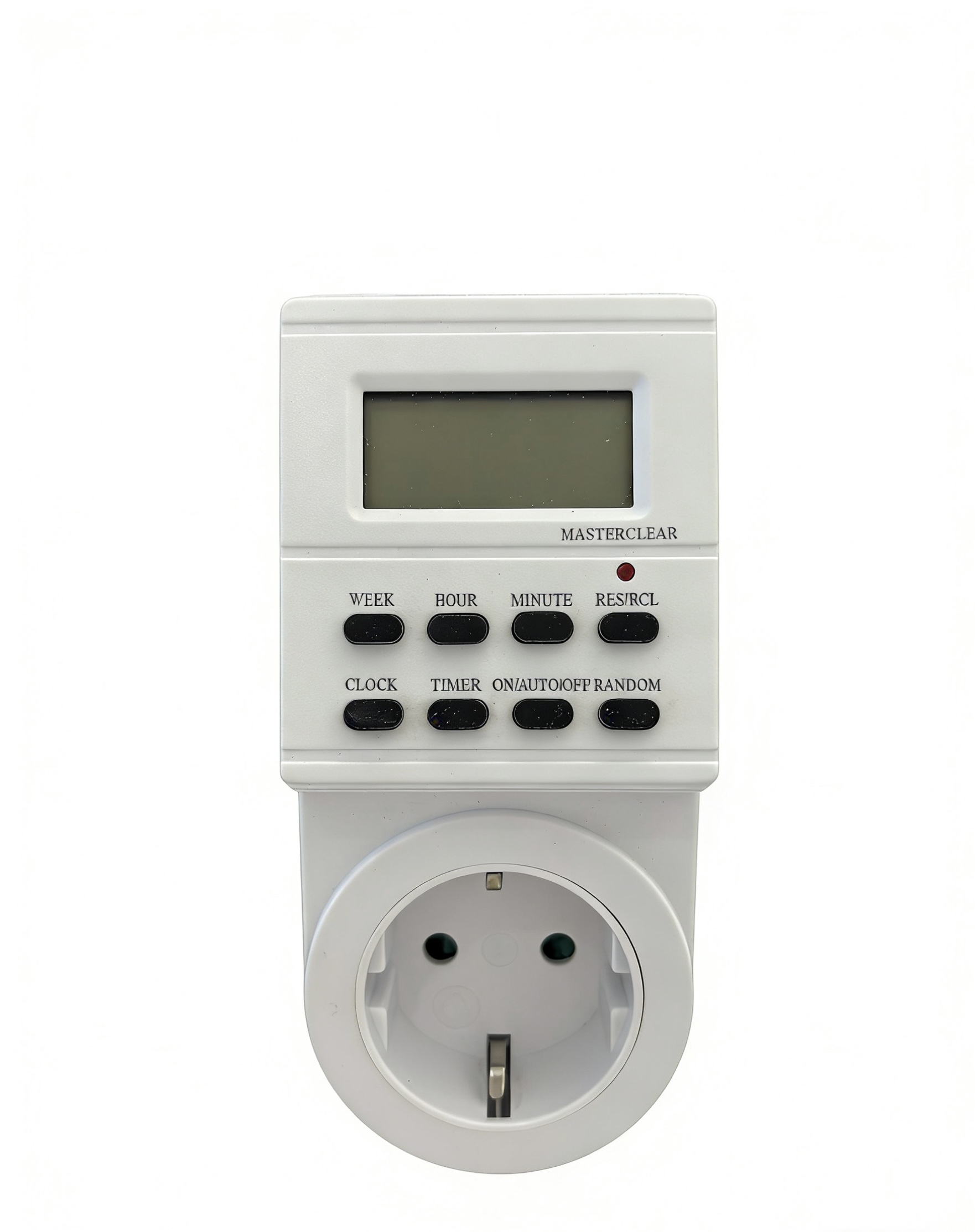
सही सामग्रियों का चयन और पर्यावरण संरक्षण यांत्रिक टाइमरों के कठोर वातावरण में उनकी दीर्घायु के लिए महत्वपूर्ण है—जैसे कि तटीय प्रसंस्करण संयंत्र, धातु शोधन कारखाने या खाद्य सुविधाएँ, जहाँ उच्च आर्द्रता, तापमान के चरम मान और क्लोराइड्स निरंतर उपकरणों की विश्वसनीयता को चुनौती देते हैं।
कठोर वातावरण के लिए अभियांत्रिकी द्वारा विकसित मजबूत सामग्रियाँ चुनें
स्टेनलेस स्टील और एल्यूमीनियम मिश्र धातु: उत्कृष्ट संक्षार प्रतिरोध
उच्च-गुणवत्ता वाली धातुओं का चयन आर्द्र या लवणीय वातावरण में पूर्वकालिक विफलता को रोकता है:
-
स्टेनलेस स्टील 316L: नमकीन छिड़काव परीक्षणों के दौरान सामान्य कार्बन स्टील की तुलना में ऑक्सीकरण को लगभग 70% तक कम करता है।
-
एनोडाइज़्ड एल्यूमिनियम: एक मजबूत सुरक्षात्मक परत बनाता है जो समय के साथ स्वयं मरम्मत करती है और नमी के कारण होने वाले पिटिंग का प्रतिरोध करती है।
दोनों विकल्प मानक उद्योग परीक्षण विधियों के अनुसार 95% आर्द्रता और समुद्री-स्तर की क्लोराइड सांद्रता के लगातार 5,000 घंटों के अध्ययन के बाद भी अद्वितीय रूप से अच्छा प्रदर्शन करते हैं।
थर्मल स्थिरता: नायलॉन बनाम पॉलीकार्बोनेट (40–85°C)
गलनागारों या ऑटोमोटिव उत्पादन लाइनों जैसे तापीय चक्रीय वातावरण में, चरम तापमान के तहत सामग्री की स्थिरता महत्वपूर्ण है:
-
पॉलीकार्बोनेट: केवल लगभग 0.2% विरूपण प्रदर्शित करता है 85°C पर, जिससे यह उच्च-ताप नियंत्रण आवरणों के लिए आदर्श बन जाता है, जहाँ गियर्स को संरेखित रहना आवश्यक है।
-
नायलॉन: 60°C तक उपयुक्त एक कम लागत वाला विकल्प, लेकिन पॉलिमर इंजीनियरिंग जर्नल से प्राप्त डेटा दर्शाता है कि यह समान उच्च-ताप स्थितियों के तहत लगभग 1.8%विरूपित हो जाता है, जिससे समय निर्धारण यांत्रिकी में अस्थिरता और भागों के फँसने की समस्या उत्पन्न होती है।
| सामग्री | 85°C पर विरूपण | प्रभाव प्रतिरोध | आदर्श उपयोग केस |
| पॉलीकार्बोनेट | 0.2% | उच्च | उच्च तापमान वाले औद्योगिक नियंत्रण |
| नायलॉन | 1.8% | मध्यम | मध्यम तापमान वाली स्थितियाँ |
विश्वसनीय पर्यावरणीय सीलिंग और एनकैप्सुलेशन लागू करें
IP65 बनाम IP67 प्रवेश सुरक्षा रेटिंग्स
IP रेटिंग्स निम्नलिखित के तहत विशिष्ट सुरक्षा स्तरों को परिभाषित करती हैं: आईईसी 60529 मानक :
-
आईपी65: धूल प्रवेश और कम दबाव वाले पानी के जेट से सुरक्षा प्रदान करता है (आंतरिक वॉशडाउन क्षेत्रों के लिए आदर्श)।
-
IP67: अस्थायी डुबकी (1 मीटर की गहराई पर 30 मिनट तक) को सहन कर सकता है, जो बाहरी कृषि उपकरण या तटीय नियंत्रण पैनल के लिए आवश्यक है।
-
वास्तविक दुनिया का प्रभाव: खनिज प्रसंस्करण सुविधाओं में आईपी65 से आईपी67 रेटेड टाइमर्स पर स्विच करने के बाद उपकरण विफलताएँ लगभग दो-तिहाई कम हो गईं कठोर गाद के छींटों के संपर्क में आने पर।
कॉन्फॉर्मल कोटिंग का चयन: सिलिकॉन बनाम एक्रिलिक
-
सिलिकॉन कोटिंग्स: -50°C से 200°C तक के चरम तापमान परिवर्तनों के दौरान लचीलापन बनाए रखती हैं, जो लकड़ी के मिलों और व्यावसायिक बेकरियों के लिए आदर्श हैं।
-
एक्रिलिक कोटिंग्स: वास्तविक जल उपचार नियंत्रण बोर्ड्स के लिए उच्च डाइइलेक्ट्रिक विद्युतरोधन प्रदान करती हैं (>600 वोल्ट प्रति मिल मोटाई)। (नोट: इंजीनियर तनाव-उत्पन्न दरारों के कारण अधिक कंपन वाले क्षेत्रों में एपॉक्सी से बचने की आमतौर पर सिफारिश करते हैं)।
जहाँ भारी पर्यावरणीय सीलिंग द्वितीयक महत्व की हो, मानक आंतरिक अनुप्रयोगों के लिए, विश्वसनीय आधारभूत समाधान जैसे शुआंगयांग बेसिक इंडोर 24-घंटे का यांत्रिक टाइमर (MD31) घरेलू और हल्के व्यावसायिक उपयोग के लिए स्थिर प्रदर्शन प्रदान करता है।
घिसावट को कम करने के लिए लक्षित रखरोग सामर्थ्य का उपयोग करें
उच्च-तनाव अनुप्रयोगों (खनन) में कंपन कम करना
खनन संचालन में यांत्रिक विफलताओं का लगभग 40% कंपन समस्याओं के कारण होता है, इसलिए नाजुक गियर ट्रेन की सुरक्षा अत्यंत महत्वपूर्ण है:
-
रबर जैसे विलगनकर्ता: पार्श्विक गति को अवशोषित करने के लिए मशीन माउंटिंग के नीचे रखा जाता है।
-
शाफ्ट संरेखण: गियर दांतों के त्वरित क्षरण और समक्रमण के नुकसान को रोकता है।
-
प्रबलित नायलॉन गियर: भारी भार के तहत पारंपरिक धातु विकल्पों की तुलना में भौतिक झटकों को बेहतर ढंग से सहन करते हैं।
तरल के उपयोग की सर्वश्रेष्ठ प्रथाएं
-
उच्च-तापमान ग्रीस: लिथियम कॉम्प्लेक्स ग्रीस 250°F से अधिक तापमान पर सुरक्षात्मक फिल्मों को बनाए रखते हैं।
-
सिलिकॉन-आधारित लुब्रिकेंट्स: गियर हाउसिंग के लिए धूल और जल प्रवेश के विरुद्ध अतिरिक्त सुरक्षा के लिए उत्कृष्ट।
-
निरीक्षण की तारीख निर्धारित करना: प्रत्येक 500 घंटे या तिमाही में पुनः चिकनाई करने से उपकरण का जीवनकाल बढ़ जाता है ~60%प्रतिक्रियाशील रखरखाव की तुलना में।
वास्तविक दुनिया के परीक्षण और प्रमाणन के साथ प्रदर्शन की पुष्टि करें
कठोर पर्यावरणीय तनाव परीक्षण डिज़ाइन चक्र के शुरुआती चरण में क्षेत्र में विफलताओं को समाप्त कर देता है। मानक प्रमाणन प्रोटोकॉल में शामिल हैं:
-
-40°C से 85°C तक के तापमान की चरम स्थितियाँ।
-
95% आपेक्षिक आर्द्रता के साथ भिगोना और IEC 60529 धूल कक्ष के प्रति जांच।
-
कंपन परीक्षण, जो MIL-STD-810H दिशानिर्देशों को देखें।
IP67 अनुपालन के रूप में प्रमाणित उत्पाद और MIL-STD-810H आवश्यकताओं को पूरा करने वाले उत्पाद लगभग 35% कम बार कठोर क्षेत्रीय स्थितियों में विफल होते हैं, जिससे अप्रत्याशित मरम्मत के बिलों में लगभग 30% की कमी आती है और उपकरण के उपयोग के समय को अधिकतम किया जाता है।