
 EN
EN



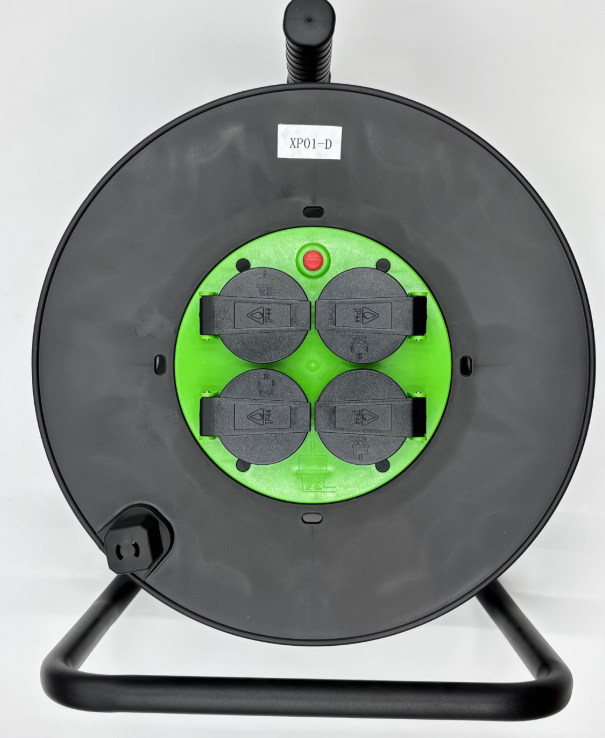
Navigating European electrical power standards often feels like walking through an intricate technical maze, particularly when you are trying to match heavy-duty industrial machinery or sensitive commercial appliances with the precise plug configuration. From years of hands-on electrical engineering audits across busy manufacturing plants and modern residential complexes, one foundational lesson always stands out: proper Schuko plug matching serves as the ultimate backbone of electrical safety and operational longevity. The German-origin Schuko system—officially designated under rigorous European safety frameworks—is globally celebrated for its robust side-grounding clips and dependable 230V capability, establishing it as a mandatory standard across continental Europe and rapidly growing international export markets. However, blindly plugging any high-draw electrical appliance into a standard wall socket without carefully evaluating current draws, pin alignment, thermal dissipation thresholds, and contact resistance parameters is a direct recipe for tripped breakers, accelerated contact wear, or catastrophic equipment failure, which can halt business operations instantly.
Mastering Voltage Tolerances and Electrical Load Capacities
When examining a standard Schuko plug 230V setup, technical precision begins with understanding load compatibility, copper contact integrity, and maximum electrical capacity limits. Most standard consumer and light commercial Schuko connections are rated for up to 16 amperes, which safely accommodates roughly 3,680 watts under standard European single-phase voltage parameters. But when you transition from running a basic office appliance to powering high-draw workshop compressors, heavy-duty cleaning equipment, or commercial refrigeration units, thermal management transforms into a massive engineering concern. According to electrical safety standards outlined in DIN VDE 0620-1, continuous high-amperage draws require plug housings and internal contact pins manufactured from high-grade, heat-resistant engineering thermoplastics that prevent thermal softening, plastic degradation, and dangerous arc-faults over extended operational cycles. Furthermore, electrical engineers must calculate cable gauge sizes carefully to avoid voltage drop across extended cord lengths in industrial settings, ensuring stable energy flow and preventing unnecessary power interruptions.
Evaluating Environmental Resilience and Ingress Protection Requirements
Another critical layer in the proper matching process involves evaluating environmental factors and selecting the appropriate Schuko IP rating for the intended deployment zone. A plug that performs wonderfully in a dry, temperature-controlled indoor office setting will fail prematurely if deployed in damp commercial kitchens, outdoor garden equipment arrays, or dusty manufacturing floors. Indoor consumer appliances typically rely on basic IP20 ingress protection, whereas industrial tools, job-site extension cords, and outdoor power distribution units demand IP44 or higher waterproof and dustproof ratings, complete with robust sealing gaskets and spring-loaded protective covers. Field technicians frequently emphasize that matching the environmental sealing of both the plug and socket prevents moisture bridging, minimizes short-circuit risks, and ensures full compliance with strict workplace safety regulations, protecting both sensitive equipment and operational personnel from accidental shock hazards.
Navigating Regulatory Compliance and Independent Certification Standards
Authoritative compliance and rigorous certification stand as non-negotiable pillars when sourcing or installing electrical connection components for commercial and industrial applications. Opting for a VDE certified Schuko plug means the hardware has undergone exhaustive mechanical drop tests, insertion force checks, thermal endurance evaluations, and high-voltage dielectric strength testing by independent accredited laboratories. Regulatory bodies mandate these strict evaluations to ensure that grounding continuity remains flawless even after thousands of physical connection cycles under maximum load conditions. Ignoring these vital certifications in favor of unverified, low-cost alternatives often leads to loose contact pressure, excessive electrical resistance, localized overheating, and eventual electrical fires—severe risks that no commercial facility, distributor, or reputable brand can ever afford to take.
Leveraging Manufacturing Excellence and Strategic Supply Chain Partnerships
Beyond individual device ratings, selecting and sourcing reliable electrical components requires evaluating manufacturing excellence and supply chain stability. For global distributors, original equipment manufacturers, and electrical contractors seeking dependable power accessories, partnering with established manufacturers like Shuangyang brings unmatched peace of mind. Backed by advanced automated production lines, precision injection molding tooling, and stringent adherence to international safety certifications including VDE, CE, and RoHS, Shuangyang delivers high-performance Schuko plugs and sockets built to withstand rigorous global operational demands. Their dedication to strict quality control protocols, rigorous durability testing, and flexible supply chain solutions ensures that global partners receive robust, cutting-edge electrical hardware perfectly tailored to their commercial requirements and distribution timelines.
Anticipating Future Infrastructure Needs and Long-Term Reliability
Looking toward future infrastructure upgrades, the surging demand for high-reliability electrical hardware will only continue to grow as smart facilities and automated industrial systems become standard practice. Engineers and procurement teams must remain vigilant in matching plug specifications to exact load profiles, ensuring that every connection point meets the highest standards of electrical endurance. Neglecting minor connection details can lead to compounding inefficiencies and premature hardware failure across commercial networks.
Conclusion for Seamless and Safe Power Transmission
Ultimately, mastering Schuko plug matching is about combining rigorous technical insight with high-quality hardware selection to ensure seamless, safe power transmission across diverse environments. Whether you are outfitting a commercial facility with heavy machinery or expanding a consumer electronics product line for retail distribution, investing in certified, precision-engineered components safeguards both equipment and end-users. By prioritizing strict compliance standards, proper load evaluation, and reliable manufacturing partnerships, businesses can eliminate operational downtime and build enduring trust in their electrical infrastructure year after year across global markets.
Table of Contents
- Mastering Voltage Tolerances and Electrical Load Capacities
- Evaluating Environmental Resilience and Ingress Protection Requirements
- Navigating Regulatory Compliance and Independent Certification Standards
- Leveraging Manufacturing Excellence and Strategic Supply Chain Partnerships
- Anticipating Future Infrastructure Needs and Long-Term Reliability
- Conclusion for Seamless and Safe Power Transmission