
 EN
EN



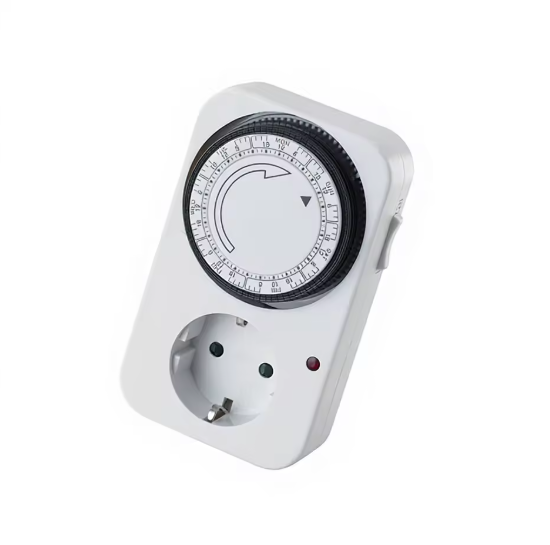
During a comprehensive energy efficiency audit across a sprawling 50,000-square-meter commercial logistics hub, engineering field teams uncovered an unsettling reality: over 18% of overnight power expenditure was effectively wasted on uncoordinated exterior illuminations, secondary HVAC circulation pumps, and standby exhaust blowers.
Traditional mechanical pin switches and basic electronic timers were struggling to keep up with actual operational requirements. They drifted by anywhere from three to seven minutes every single month, completely ignoring seasonal shifts in natural daylight and regional daylight saving adjustments.
The Hidden Costs of Timing Drift in Industrial Operations
In high-demand commercial and industrial operations, small timing drift issues compound fast, inflating monthly utility bills and placing unnecessary electrical stress on heavy infrastructure.
-
Administrative Burden: Engineering managers often spend dozens of billable hours each quarter manually resetting mechanical clocks across expansive plants after seasonal daylight saving transitions or routine power outages.
-
Wasted Resources: When devices drift, interior climate systems run unnecessarily during unoccupied weekend hours, while exterior perimeters stay illuminated long after dawn.
-
The Solution: Installing intelligent programmable timing controls eliminates this administrative friction entirely, establishing a baseline of operational efficiency that protects both capital assets and recurring operational expenditure
Astronomical Tracking and Dynamic Rule-Based Scheduling
That is precisely where high-end programmable timers make a massive operational difference. Rather than relying on static 24-hour schedules that require hands-on seasonal recalibration, advanced smart timers utilize built-in astronomical algorithms.
Precision Solar Tracking
By tapping into geographic coordinates—specifically latitude and longitude values—the timer continuously computes real-time daily sunrise and sunset benchmarks down to the exact minute. Field data published by global energy research groups and power management standards bodies shows that substituting rigid time schedules with dynamic astronomical tracking can slash unnecessary outdoor lighting hours by up to 22% annually.
Multi-Tier Operational Logic
Beyond simple solar positioning, advanced rule-based scheduling lets facility operators construct multi-tiered operational logic tailored to real-world demands:
-
Lux Threshold Control: Security floodlights can be set to kick in only when ambient illuminance drops below a predetermined lux threshold.
-
Tariff & Solar Syncing: High-draw industrial equipment automatically shifts its duty cycles to sync with solar PV generation peak hours or off-peak utility tariffs, keeping overall energy consumption lean and predictable.
-
Environmental Runtimes: In complex multi-zone environments like cold-storage warehouses or automated greenhouse complexes, systems integrate ambient humidity, temperature sensor readings, and emergency bypass overrides to balance runtimes dynamically.
Industrial IoT Integration and Multi-Protocol Communication
As smart infrastructure continues to reshape modern facilities, high-end programmable timers have evolved from standalone control boxes into intelligent edge components within the broader Internet of Things ecosystem.
-
Connectivity: Featuring industrial-grade communication channels like Modbus-RTU, Wi-Fi, Zigbee, and MQTT, these units allow maintenance teams to manage power schedules remotely without stepping foot on the plant floor.
-
Real-Time Diagnostics: Field engineers can monitor real-time current loads, track voltage stability, and receive instantaneous mobile alerts whenever power anomalies or overload conditions occur.
-
Over-The-Air Updates: OTA firmware updates make it effortless to deploy updated scheduling rules across hundreds of installed units simultaneously.
-
Reliability & Security: Industrial-grade reliability relies on non-volatile EEPROM storage and integrated supercapacitor backups, ensuring the real-time clock and internal event logs stay intact for months during blackouts. Encrypted MQTT protocols and isolated local Modbus networks shield critical commands from external interference.
Commercial Value: Energy Cost Reduction and Asset Longevity
From an enterprise risk management and balance-sheet standpoint, transitioning to high-end programmable timers delivers clear, compounding financial returns:
-
Zero-Crossing Technology: Heavy inductive loads like compressors, industrial ventilation fans, and transformer banks exert severe stress on electrical contacts. Advanced programmable units incorporate zero-crossing switching technology, which precisely aligns relay contact closures with the zero-voltage point of the AC waveform, effectively doubling the operating life of connected equipment.
-
Rapid Capital Payback: Paired with automated load-shedding routines during peak utility tariff windows, facility operators regularly see full capital payback within eight to fourteen months of deployment.
-
Peak Demand Mitigation: Timers help mitigate financial penalty fees by stagger-starting heavy machinery in sequence, flattening the facility energy curve and earning valuable demand-response rebates.
Precision Manufacturing and Supply Chain Excellence: The Shuangyang Advantage
Deploying high-reliability power control solutions demands hardware backed by rigorous production discipline, scalable manufacturing, and stringent quality assurance. Shuangyang Electrics has earned international recognition as a dependable global partner in power connection, smart timers, and energy management devices.
-
Certified Quality Frameworks: Operating under strict ISO9001, ISO14001, and BSCI management frameworks
-
Advanced Production Tech: Shuangyang combines high-precision automated SMT assembly, automated optical inspection (AOI) systems, and comprehensive safety testing.
-
Global Benchmarks: Produces timers, smart plugs, and industrial distribution hardware that consistently meet demanding international standards including VDE, GS, UL, CE, and RoHS
-
OEM/ODM Capabilities: Provides structural durability, electrical safety, and technical consistency through fully automated testing protocols—from raw component verification to full-load burn-in testing—ensuring modules withstand extreme temperatures, electrical noise, and high-vibration industrial environments.
Table of Contents
- The Hidden Costs of Timing Drift in Industrial Operations
- Astronomical Tracking and Dynamic Rule-Based Scheduling
- Industrial IoT Integration and Multi-Protocol Communication
- Commercial Value: Energy Cost Reduction and Asset Longevity
- Precision Manufacturing and Supply Chain Excellence: The Shuangyang Advantage