
 EN
EN



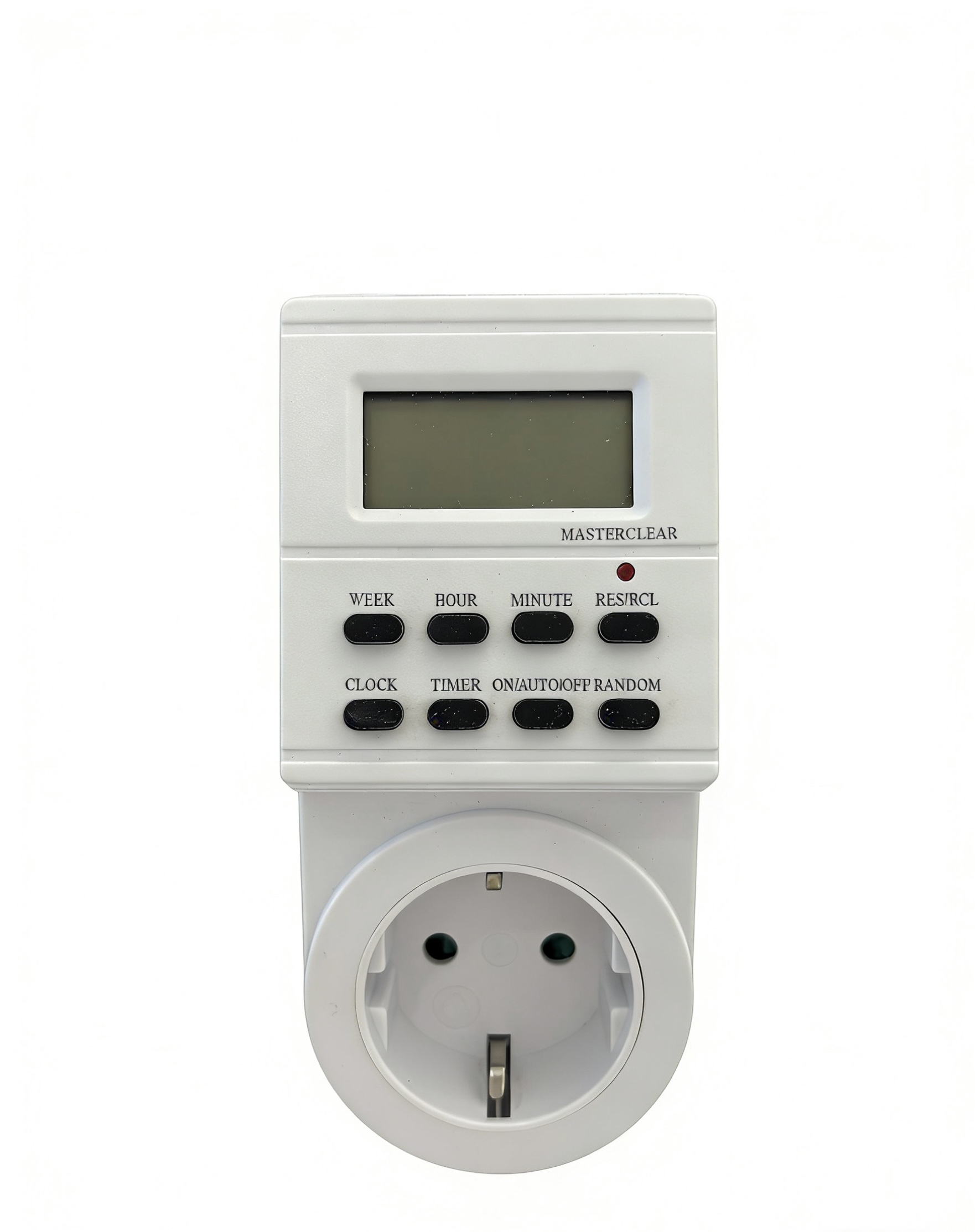
Choosing the right materials and environmental protection makes all the difference when it comes to how long mechanical timers last in harsh environments—such as coastal processing plants, foundries, or food facilities where high humidity, temperature extremes, and chlorides constantly challenge equipment reliability.
Choose Robust Materials Engineered for Harsh Environments
Stainless Steel and Aluminum Alloy: Superior Corrosion Resistance
Selecting high-grade metals prevents premature failure in humid or saline settings:
-
Stainless Steel 316L: Cuts down oxidation by around 70% compared to regular carbon steel during salt spray tests.
-
Anodized Aluminum: Creates a tough protective layer that self-repairs over time and resists moisture-induced pitting.
Both options hold up remarkably well after 5,000 hours of constant exposure to 95% humidity plus marine-level chloride concentrations according to standard industry testing methods.
Thermal Stability: Nylon vs. Polycarbonate (40–85°C)
In thermal cycling environments like foundries or automotive production lines, material stability under extreme temperatures is critical:
-
Polycarbonate: Exhibits only about 0.2% deformation at 85°C, making it ideal for high-heat control housings where gears must stay aligned.
-
Nylon: A lower-cost alternative suitable up to 60°C, but data from the Polymer Engineering Journal shows it warps roughly 1.8% under similar high-heat conditions, leading to timing mechanism drift and part binding.
| Material | Deformation at 85°C | Impact Resistance | Ideal Use Case |
| Polycarbonate | 0.2% | High | High-heat industrial controls |
| Nylon | 1.8% | Moderate | Moderate-temperature settings |
Implement Reliable Environmental Sealing and Encapsulation
IP65 vs. IP67 Ingress Protection Ratings
IP ratings define specific protection levels under the IEC 60529 standard:
-
IP65: Protects against dust entry and low-pressure water jets (ideal for indoor washdown areas).
-
IP67: Withstands temporary submersion (up to 30 minutes at a depth of 1 meter), essential for outdoor farm equipment or coastal control panels.
-
Real-World Impact: Mineral processing facilities switching from IP65 to IP67 rated timers saw equipment failures drop by about two-thirds when exposed to harsh slurry splashes.
Conformal Coating Selection: Silicone vs. Acrylic
-
Silicone Coatings: Maintain flexibility across extreme temperature swings from -50°C to 200°C, making them ideal for timber mills and commercial bakeries.
-
Acrylic Coatings: Offer high dielectric insulation (>600 volts per mil thickness) for wastewater treatment control boards. (Note: Engineers typically avoid epoxy in high-vibration zones due to stress cracking).
For standard indoor applications where heavy environmental sealing is secondary, reliable baseline solutions like the Shuangyang basic indoor 24-hours mechanical timer (MD31) offer consistent domestic and light-commercial performance.
Apply Targeted Maintenance Strategies to Reduce Wear
Vibration Mitigation in High-Stress Applications (Mining)
With ~40% of mechanical breakdowns in mining operations traced back to vibration problems, protecting delicate gear trains is paramount:
-
Rubber-Like Isolators: Placed under machine mountings to absorb lateral movement.
-
Shaft Alignment: Prevents accelerated gear tooth wear and loss of synchronization.
-
Reinforced Nylon Gears: Handle physical shocks better than traditional metal alternatives under heavy loads.
Lubrication Best Practices
-
High-Heat Greases: Lithium complex greases maintain protective films at temperatures exceeding 250°F.
-
Silicone-Based Lubricants: Excellent for gear housings needing extra defense against dust and water ingress.
-
Scheduling: Relubricating every 500 hours or once a quarter extends equipment lifespan by ~60% compared to reactive maintenance.
Validate Performance with Real-World Testing & Certification
Rigorous environmental stress testing eliminates field failures early in the design cycle. Standard validation protocols include:
-
Temperature extremes from -40°C to 85°C.
-
95% relative humidity soaking and IEC 60529 dust chamber exposure.
-
Vibration testing following MIL-STD-810H guidelines.
Products certified as IP67 compliant and passing MIL-STD-810H requirements fail ~35% less often in harsh field conditions, cutting unexpected repair bills by roughly 30% and maximizing equipment uptime.