
 EN
EN



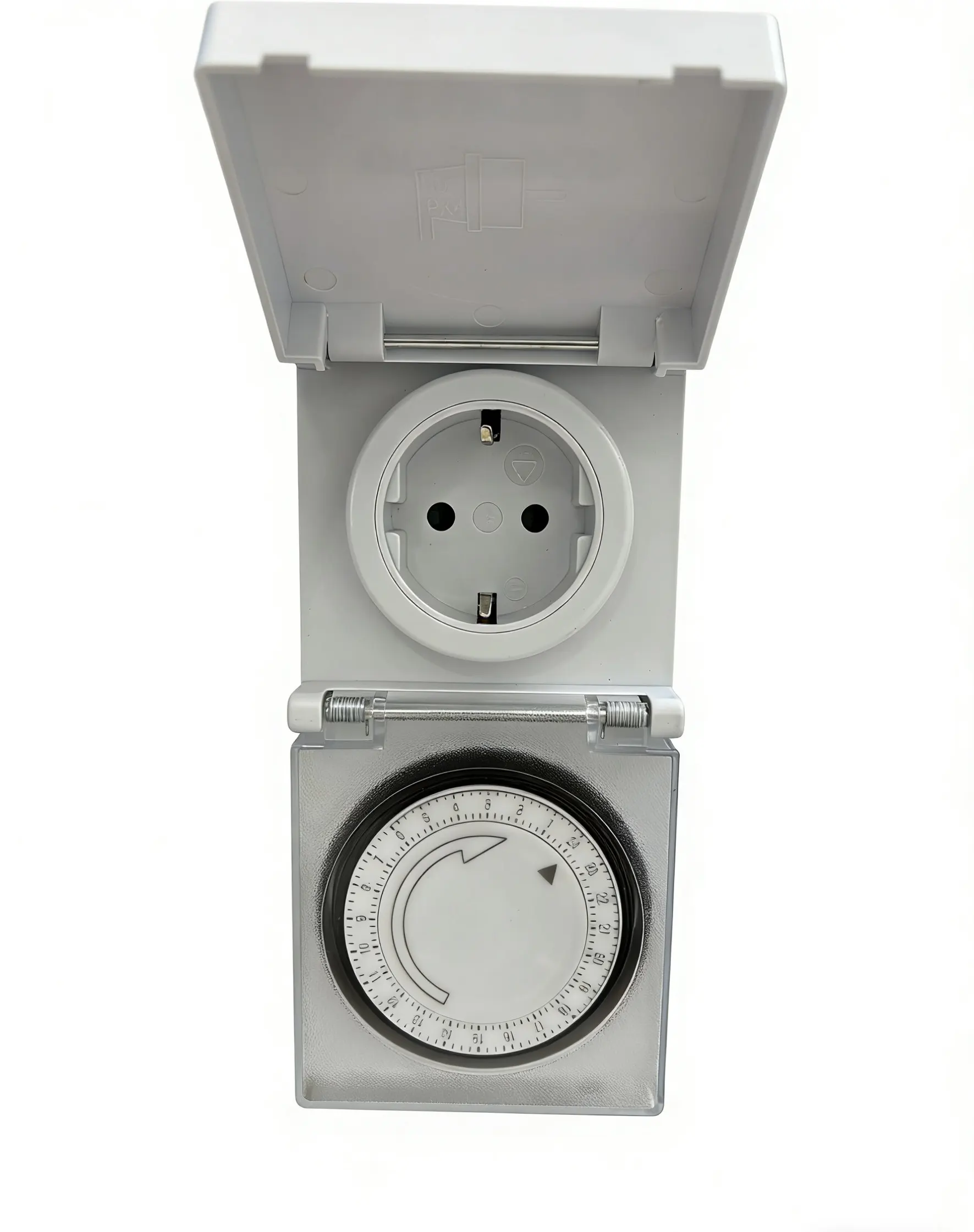
Hogyan biztosítja a tömítőgyűrű geometriája a folyamatos vízállóságot
A nyelv-és horpadásos kialakítás szabályozza az összenyomást az egységes IP68-as tömítés érdekében
Egy tömítőgyűrű geometriája közvetlenül meghatározza, mennyire egyenletesen tartja meg a vízálló doboz az IP68 védettségi fokozatát. A nyelv-gyűrű (tongue-and-groove) kialakítás az egyik legmegbízhatóbb megoldás, mert fizikailag igazítja a tömítést, és szabályozza a tömörítést az egész illeszkedő felületen. Amikor a nyelv becsúszik a gyűrűbe, meghatározott útvonalat hoz létre, amely kényszeríti az elasztomert egyenletes deformálódásra – így megakadályozza a nem egyenletes összenyomást, amely gyakran szivárgási útvonalakat okoz sík tömítőgyűrűs kialakításoknál. A mérnökök pontosan kiszámíthatják a tömörítési arányt a gyűrű mélységének és a nyelv magasságának beállításával, így biztosítva, hogy a tömítés se alul-, se túltömörített ne legyen (az alultömörítés szivárgási kockázatot, a túltömörítés pedig maradandó deformációt eredményez). Egy vízálló doboznál az egyenletes tömörítés azt jelenti, hogy a tömítés elviseli a kisebb felületi egyenetlenségeket és a hőtágulást anélkül, hogy elveszítené integritását. A gyűrű emellett védje a tömítőgyűrűt az oldalirányú terhelések és az UV-sugárzás hatásaitól, ezzel meghosszabbítva az egész szerelvény élettartamát.
Valós világbeli hatás: 73%-kal alacsonyabb hibaráta UL 50E-szabvány szerint tesztelt vízálló dobozegységeknél
A valós körülmények között végzett tesztek megerősítik, hogy az optimalizált tömítőgyűrű-geometria mérhető megbízhatóságnövekedést eredményez. Az UL 50E szabványnak megfelelő vizsgálatok során a szabályozott összenyomású nyelv-és horpadásos tömítéssel kialakított vízálló dobozegységek 73%-kal alacsonyabb hibarátát mutatták a laza tűréssel kialakított, standard O-gyűrűs horpadásokat használó dobozokhoz képest. Az UL 50E szabvány a kemény környezeti feltételeket szimulálja – ideértve a hőmérséklet-ingadozásokat, a vízbe merülést és a rezgést –, így ez a csökkenés a tényleges üzemeltetési teljesítményt tükrözi. A gyártók számára ez kevesebb garanciális igényt és hosszabb karbantartási időközöket jelent. Az adatok egyértelműen rámutatnak arra, hogy a tömítés geometriája nem pusztán elméleti részlet, hanem döntő tényező abban, hogy egy vízálló doboz évekig védje az érzékeny elektronikai berendezéseket – vagy pedig hónapokon belül meghibásodik.
O-gyűrűk vs. egyedi tömítések: a tömítés típusának illesztése a vízálló doboz alkalmazási igényeihez
Amikor tömítéseket választanak vízhatlan dobozhoz, a mérnökök gyakran vitatkoznak az O-gyűrűk és az egyedi tömítések között. Bár a anyag keménységére figyelnek, a szerelési konzisztencia még fontosabb a megbízható IP-védettségi osztályzat eléréséhez. Az O-gyűrűk pontos horpadásméretekre és gondos elhelyezésre szorulnak; még egy apró csavarodás is szivárgási útvonalat hoz létre a szerelés során. Az öntött vagy egyedi kivágott tömítések, ellentétben ezzel, pontosan illeszkednek a burkolat geometriájához, így kizárják az emberi hibát és biztosítják a ismételhető tömítési teljesítményt a gyártási sorozatokban.
Miért fontosabb a szerelési konzisztencia, mint pusztán az anyag keménysége
Egy tömítés nedvességbejutást megakadályozó képessége sokkal inkább az installálásának egyenletességétől függ, mint a durometer értékétől. Az O-gyűrűk hajlamosak elfordulni, összenyomódni vagy hiányosan illeszkedni – különösen nagy mennyiségű gyártási sorokban. Az egyedi tömítések, amelyeket a fedél kontúrjához formáztak, gyorsabb és egyenletesebb elhelyezést tesznek lehetővé. A legutóbbi UL 50E vizsgálatok során az egyedi tömítéseket használó burkolatok szivárgási aránya háromszor alacsonyabb volt, mint az O-gyűrűket használóké, ismételt szerelési ciklusok hatására. Ez a különbség tovább nő közepes és magas termelési mennyiségek esetén, ahol a szerelési változékonyság válik a domináns hibamechanizmussá.
Rugalmas visszaállási elv: Hogyan teszi lehetővé a megfelelő összenyomás a hosszú távú vízálló doboz megbízhatóságát
A hosszú távú tömítés a tömítőanyag képességén múlik, hogy minden összenyomási ciklus után visszanyerje eredeti alakját – ezt az tulajdonságot rugalmas visszaállásnak nevezik. Ha a vízálló doboz fedele túl nagy mértékben összenyomja a tömítőgyűrűt (a legtöbb elasztomer esetében általában 10–30%-nál több), az anyag maradandó deformációt szenved, és elveszíti a tömítőerőt. Ellenkező esetben, ha a tömítőgyűrűt túl kevéssé nyomják össze, nem jön létre elegendő interferencia. Az egyedi tömítőgyűrűk lehetővé teszik a mérnökök számára, hogy olyan keresztmetszeti jellemzőket tervezzenek, amelyek az összenyomást az ideális tartományon belül tartják, így megőrzik a rugalmas visszaállást a hőmérséklet-ingadozások és az időbeli öregedés során is. Ez a tervezési diszciplína biztosítja, hogy a tömítés az egész burkolat élettartama alatt hatékony maradjon.
A tömítőgyűrűk mögött rejlő anyagtudomány: környezeti feltételek szerinti választás, nem csupán műszaki adatlapon szereplő specifikációk alapján
Szilikon vs. EPDM: UV-sugárzás, hőmérséklet-ingadozás és szénhidrogén-kihatás közötti kompromisszumok
A vízálló dobozhoz megfelelő tömítőanyag kiválasztása többet jelent, mint egy durometer-érték illesztése. A szilikon kiválóan teljesít extrém hőmérsékleti tartományban (–60 °C-tól 230 °C-ig), és ellenáll az UV-károsodásnak, ezért ideális kültéri burkolatokhoz, amelyek közvetlen napfénynek vannak kitéve. Ugyanakkor a szilikon gyorsan duzzad, ha olajokkal, üzemanyagokkal vagy oldószerekkel érintkezik. Az EPDM kiváló ellenállást mutat a gőz, az ózon és a hígított savak szemben – de UV-irányítás alatt és szénhidrogének hatására bomlik. A kompromisszum éles: egy gépek közelében telepített vízálló doboznak talán az EPDM kémiai ellenállására van szüksége, míg egy napelemes egységhez a szilikon UV-állósága szükséges. A tömítőanyag kiválasztása a konkrét környezeti terhelés alapján – nem egy általános adatlapon szereplő specifikáció alapján – megelőzi a korai meghibásodást.
Fluoroszilikon-növekedés tengeri minőségű vízálló doboztervekben (éves növekedés: 22 %)
Amikor az alkalmazás mind a hőmérséklet-állóságot, mind az olajállóságot igényli, a fluoroszilikon tölti be ezt a rést. Ez az anyag ötvözi a szilikon hőállóságát a fluorokarbon kémiai ellenállásával, így a tengeri környezetnek kitett, vízálló dobozokhoz – például sópermetnek, üzemanyag-gőzöknek és széles hőmérséklet-ingereknek kitett környezetekhez – ideális megoldást nyújt. Az ipari adatok szerint éves szinten 22%-os növekedést mutat a felhasználása, mivel a tervezők egyre gyakrabban cserélik le a szokásos szilikon vagy EPDM anyagot fluoroszilikonra a korrozív tengeri környezetekben. Bár drágább, alacsony nyomásalakváltozása (compression set) és konzisztens rugalmassága csökkenti a gyakorlati szivárgásokat. Olyan környezetekben, ahol a szokásos tömítések egy év alatt meghibásodnak, a fluoroszilikon a szolgáltatási élettartamot három-ötöd részére növeli – ez indokolja a magasabb árat a kritikus vízálló dobozok telepítésénél.
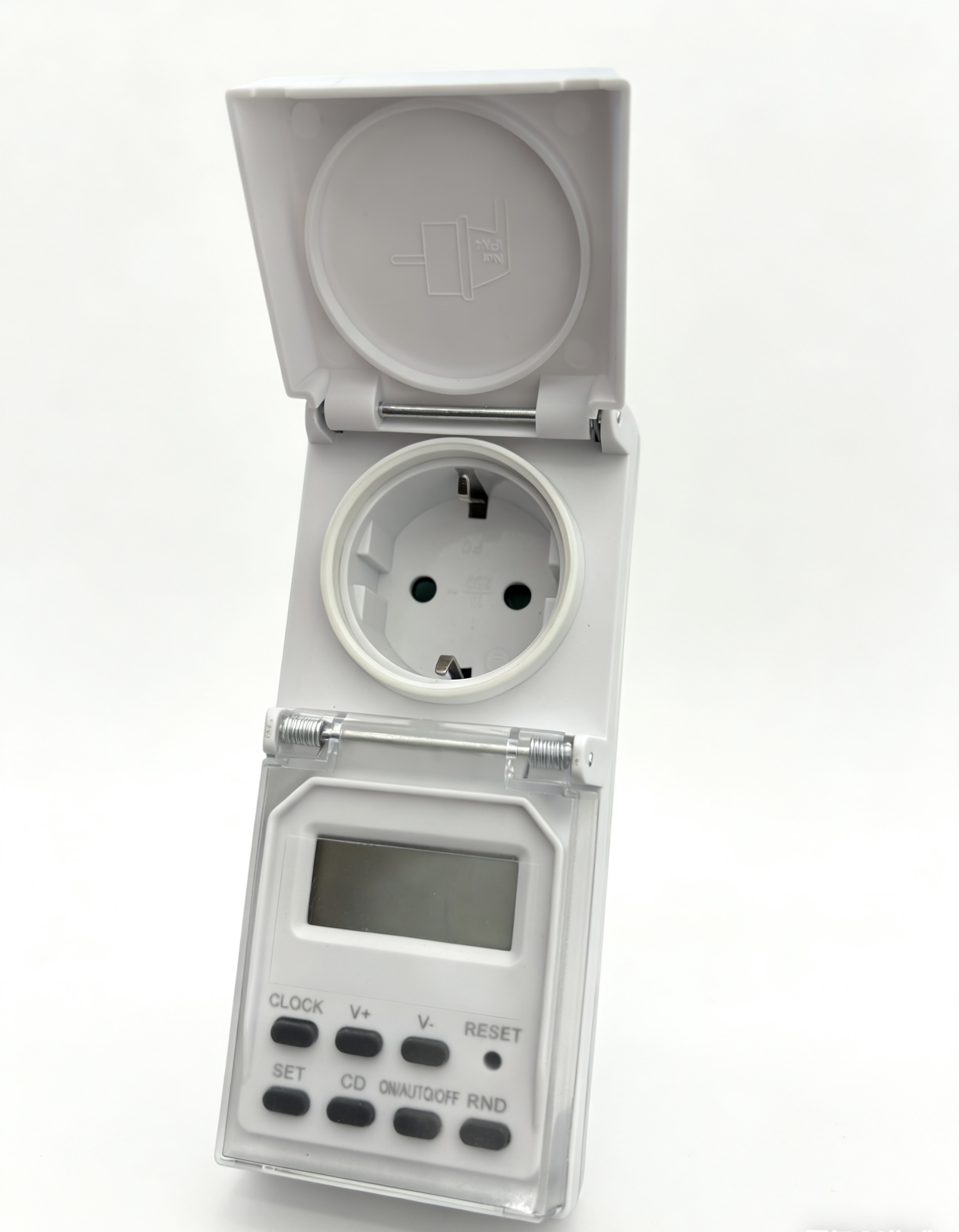
Hosszú távú tartósság: a nyomásalakváltozás (compression set) megelőzése a vízálló dobozok teljesítményének fenntartása érdekében
Előzetes összenyomás-ellenőrzés 68%-kal csökkenti a gyakorlati szivárgásokat (IEC 60529 auditadatok)
Az előnyomásos érvényesítés a tömítés évekig tartó öregedését szimulálja a felszerelés előtt. A szakemberek vezérelt nyomást alkalmaznak a tömítőgyűrűn, és megmérik, mennyire képes a anyag visszanyerni eredeti alakját. Ez a teszt azon tömítéseket azonosítja, amelyek hajlamosak a nyomásállóság elvesztésére – egy maradandó deformációra, amely szivárgási útvonalakat hoz létre. Az IEC 60529 szabvány szerinti auditadatok szerint azok a burkolatok, amelyek ezen érvényesítésen átmennek, öt év alatt 68%-kal kevesebb mezői szivárgást tapasztalnak. Bármely kritikus infrastruktúrában használt vízálló doboz esetében ilyen vizsgálat biztosítja, hogy a tömítés megtartsa az IP68 védelem integritását a hőmérséklet-ingadozás és rezgés hatására is. Az eredmény a termék teljes élettartama alatt magasabb megbízhatóság és alacsonyabb karbantartási költségek.
GYIK
Mi a nyelv-groov (nyelv-gödör) típusú tömítőgyűrű kialakítás?
Ez egy olyan tömítőgyűrű geometria, amelyben egy nyelv (kiemelkedő él) nyomódik bele egy gödörbe (mélyülő csatornába), így biztosítva a illeszkedő felület mentén egyenletes nyomást a vízállóság fenntartása érdekében.
Miért fontos az rugalmas visszaállás a tömítőgyűrűk számára?
Az elasztikus visszatérés egy anyag képességét jelöli, hogy a összenyomás után visszatér eredeti alakjába. Ez biztosítja a hosszú távú vízállóságot úgy, hogy megakadályozza az állandó deformációt, amely szivárgást okozhat.
Milyen előnyökkel járnak az egyedi tömítések az O-gyűrűkkel szemben?
Az egyedi tömítéseket az burkolat geometriájához igazítva formázzák, így gyorsabb és egyenletesebb elhelyezést tesznek lehetővé, és csökkentik a szerelési hibákat az O-gyűrűkhöz képest, amelyek hajlamosak elfordulni vagy hiányosan illeszkedni.
Mikor érdemes fluoroszilikon anyagot használni vízálló doboztömítéseknél?
A fluoroszilikon ideális olyan alkalmazásokhoz, amelyek mind hőmérséklet-állóságot, mind kémiai ellenállást igényelnek, például tengeri környezetekben, ahol sópermetnek, üzemanyag-gőzöknek és extrém hőmérséklet-ingadozásoknak van kitéve.
Hogyan csökkenti a pre-kompressziós érvényesítés a mezőn tapasztalható szivárgásokat?
A pre-kompressziós érvényesítés során a tömítés visszatérő képességét tesztelik szimulált öregedés után, azonosítva a kompressziós deformációra hajlamos tömítéseket, és biztosítva a megbízható IP68 teljesítményt hosszú távon.
Tartalomjegyzék
- Hogyan biztosítja a tömítőgyűrű geometriája a folyamatos vízállóságot
- O-gyűrűk vs. egyedi tömítések: a tömítés típusának illesztése a vízálló doboz alkalmazási igényeihez
- A tömítőgyűrűk mögött rejlő anyagtudomány: környezeti feltételek szerinti választás, nem csupán műszaki adatlapon szereplő specifikációk alapján
- Hosszú távú tartósság: a nyomásalakváltozás (compression set) megelőzése a vízálló dobozok teljesítményének fenntartása érdekében
-
GYIK
- Mi a nyelv-groov (nyelv-gödör) típusú tömítőgyűrű kialakítás?
- Miért fontos az rugalmas visszaállás a tömítőgyűrűk számára?
- Milyen előnyökkel járnak az egyedi tömítések az O-gyűrűkkel szemben?
- Mikor érdemes fluoroszilikon anyagot használni vízálló doboztömítéseknél?
- Hogyan csökkenti a pre-kompressziós érvényesítés a mezőn tapasztalható szivárgásokat?