
 EN
EN



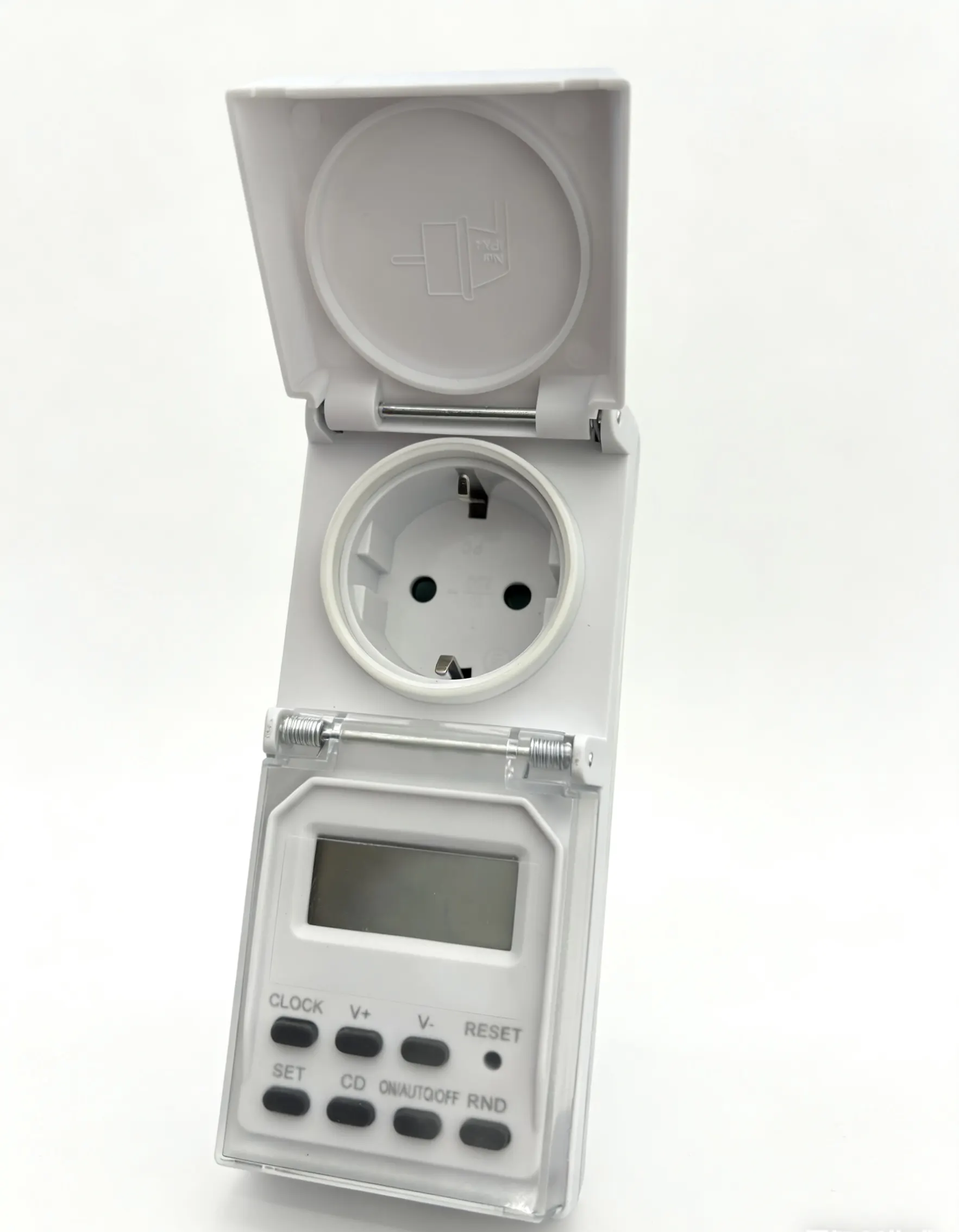
Understanding IP Ratings for Reliable Water Proof Box Protection
Choosing a water proof box starts with understanding IP ratings—globally recognized standards defined by IEC 60529. The rating consists of two digits: the first indicates protection against solids (0 to 6), the second against liquids (0 to 9). A higher number means better defense against dust and moisture, helping you match the enclosure to the real-world environment it will face.
Decoding the Digits: What IP65, IP67, and IP69K Mean for Real-World Water Exposure
Each IP rating addresses a specific level of water and dust exposure. The table below breaks down the three most relevant ratings for industrial and outdoor water proof box applications.
| IP Rating | Solid Protection | Liquid Protection | Typical Use Case |
|---|---|---|---|
| IP65 | Dust-tight (6) | Low-pressure water jets (5) | Outdoor electrical enclosures exposed to rain and hose-downs, but not submersion |
| IP67 | Dust-tight (6) | Temporary immersion up to 1 meter (7) | Junction boxes in flood-prone areas or temporary shallow water |
| IP69K | Dust-tight (6) | High-pressure, high-temperature steam jets (9K) | Washdown zones in food processing, chemical plants, or heavy sanitation |
IP69K is especially important for industries where enclosures face hot, high-pressure water. While IP67 can handle accidental submersion, it cannot withstand steam cleaning. Always match the rating to the actual water exposure—not the most aggressive rating available.
IP vs. NEMA: Why NEMA 4X or 6 Enclosures Aren’t Interchangeable with IP-Rated Water Proof Boxes
Although both systems define enclosure protection, they are not directly convertible. NEMA ratings include additional criteria such as corrosion resistance, ice formation, and internal hazards. For instance, a NEMA 4X enclosure is designed for outdoor use with corrosion protection, but its IP equivalent (typically IP66) does not guarantee the same level of chemical resistance. Similarly, NEMA 6 offers submersion protection comparable to IP67, yet also includes gasket aging tests and construction requirements that an IP67-rated water proof box may not meet. When selecting an enclosure, always verify both the NEMA type and IP rating against the specific hazards of the installation site—never assume one system covers the other’s full scope.
Material and Construction: Building Durability into Your Water Proof Box
The material and construction of your water proof box directly determine its lifespan and reliability in challenging environments.
ABS, Polycarbonate, Aluminum, and Stainless Steel — Matching Material Properties to Environmental Demands
Choosing the right material for your water proof box requires matching its properties to the specific environmental conditions it will face. ABS plastic offers a cost-effective, impact-resistant option for general indoor use, but it degrades under prolonged UV exposure and is vulnerable to oils and solvents. Polycarbonate provides superior impact strength and UV resistance, making it a popular choice for outdoor electrical enclosures. For applications requiring maximum strength and corrosion resistance, metal options excel: stainless steel withstands harsh chemicals and extreme temperatures, while aluminum offers a lightweight yet durable alternative. The table below summarizes key differences:
| Material | Strength & Durability | Corrosion Resistance | Weight | Typical Application |
|---|---|---|---|---|
| ABS | Moderate | Low | Light | Indoor electronics |
| Polycarbonate | High | Moderate | Light | Outdoor junction boxes |
| Aluminum | High | Moderate | Light | Marine enclosures |
| Stainless Steel | Very High | Very High | Heavy | Food processing equipment |
Selecting the wrong material can lead to premature failure, increased maintenance costs, and potential system downtime.
Sealed Joints, Overmolded Edges, and Integrated Gaskets: Design Features That Prevent Water Intrusion
Beyond raw material selection, the design features of your water proof box are critical to preventing water intrusion. Minimizing seams and entry points is the foundational principle of effective waterproofing. A well-engineered enclosure incorporates sealed joints where panels meet, often using a tongue-and-groove design to create a longer, tortuous path for water. Overmolded edges, where a soft elastomer is bonded directly around a rigid core, eliminate potential leak paths at corners and openings. Integrated gaskets made from silicone or EPDM rubber compress under a secure lid to form a continuous barrier. Simpler designs with rounded edges and fewer openings inherently offer superior sealing and are easier to maintain over the long term.
Sealing Systems and Long-Term Maintenance of a Water Proof Box
Rubber Gaskets, Silicone Seals, Compression Lids, and Cable Glands — Choosing the Right Seal for Your Application
The sealing system determines whether a water proof box remains dry over years of exposure. Rubber gaskets offer a low-cost, flexible barrier suitable for moderate conditions, but they harden and crack faster under UV light. Silicone seals resist temperature extremes and ozone degradation, lasting two to three years longer than rubber in outdoor environments. Compression lids apply even force across the gasket surface, eliminating gaps that form with warped covers. Cable glands prevent moisture from traveling along wire entries—select glands with a double-seal design and a torque range that matches the cable diameter. During each maintenance cycle, inspect every seal for compression set, cracking, or debris buildup. Replace seals before they fail; worn silicone still outperforms aged rubber. For high-humidity locations, pair a silicone-sealed lid with corrosion-resistant gland materials. Proper seal selection and biannual inspection keep the water proof box functioning without unexpected downtime.
Application-Specific Selection Checklist for a Water Proof Box
Selecting the right water proof box requires matching its features to your specific operating conditions. Use this criteria-based checklist to avoid compromising performance or safety:
Environment Assessment
- Chemical Exposure: If acids, solvents, or alkaline cleaners are present, prioritize stainless steel 316 or chemically resistant polycarbonate boxes over standard ABS or aluminum.
- UV/Sunlight Risks: For solar installations or outdoor mounting, materials like UV-stabilized polycarbonate (PC) outperform standard plastics which degrade under sunlight.
- Impact Hazards: Construction sites or high-traffic areas need enclosures with reinforced corners; metal or thick-walled polycarbonate resists cracks better than thin plastic.
- Temperature Extremes: Verify operating temperature range — silicone seals often outperform rubber in -40°C to +120°C environments.
Physical Demands
- Submersion Depth: IP68-rated enclosures survive accidental submersion (1m depth/30min), while shallow splash zones need only IP65.
- Mounting Surface: Vibration-heavy machinery demands 4-bolt flanged boxes instead of DIN rail versions to avoid seal displacement.
Operational Needs
- Access Frequency: If wiring changes occur weekly, choose flip-lid or hinged-cover designs over labor-intensive screw-sealed units.
- Cable Entry Direction: Side-entry glands simplify routing while foam-sealed base entries maintain IP ratings after re-entry.
Validation Actions
- Pressure Testing: Use air leak tests monthly on critical units to identify seal degradation before failures.
- Material Samples: Field-test gasket material compatibility using localized chemical spot-checks.
This framework prevents over-engineering low-risk locations while guaranteeing industrial durability where legacy systems caused weather-related electrical failures.
FAQ Section
What does each digit in an IP rating signify?
The first digit in an IP rating indicates protection against solids (like dust), ranging from 0 to 6. The second digit specifies liquid protection, ranging from 0 to 9.
How are NEMA ratings different from IP ratings?
NEMA ratings include additional testing criteria such as ice resistance and internal hazards. They generally can't be directly converted to IP ratings.
What are common materials used for water proof boxes?
Common materials include ABS (cost-effective for indoor use), polycarbonate (UV and impact-resistant for outdoor use), aluminum (lightweight and durable), and stainless steel (maximum corrosion resistance).
How often should seals be inspected in a water proof box?
Seals should be inspected biannually. Replace seals showing signs of compression set, cracking, or debris buildup to ensure continued water resistance.
Can I use NEMA-rated enclosures in place of IP-rated ones?
NEMA and IP ratings serve different purposes and are not directly equivalent. Verify both ratings against the specific hazards at the site before selection.