
 EN
EN



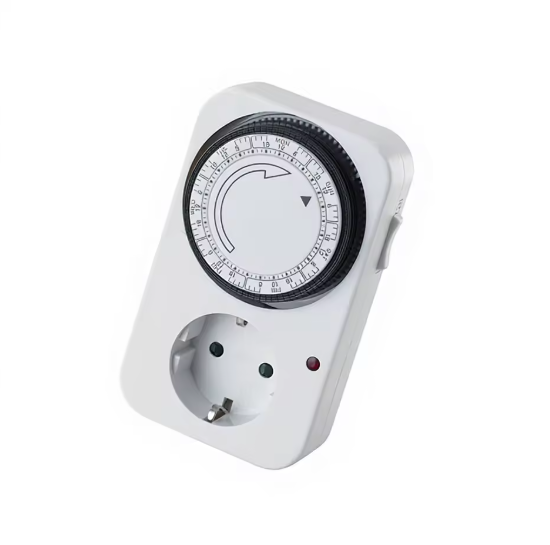
स्मार्ट शेड्यूलिंग और अनुकूलनशील समय बुद्धिमत्ता
सूर्योदय/सूर्यास्त ट्रैकिंग और खगोलीय टाइमर कार्यक्षमता
आज के स्मार्ट टाइमर स्विच खगोल-आधारित एल्गोरिदम पर निर्भर करते हैं, जो प्रकाश, हीटिंग सिस्टम और खिड़की के शेड्स को वास्तविक सूर्योदय और सूर्यास्त के समय के अनुसार नियंत्रित करने के लिए सूर्य की स्थिति का ट्रैक रखते हैं। ये उपकरण या तो GPS डेटा का उपयोग करके या केवल डाक कोड दर्ज करके आकाश में सूर्य की स्थिति का पता लगाते हैं, फिर दिन की लंबाई में परिवर्तन के साथ-साथ वर्ष भर में स्वचालित रूप से अपने समय को अपडेट करते हैं। अब मौसम बदलने पर सेटिंग्स के साथ छेड़छाड़ करने की आवश्यकता नहीं है। सुरक्षा प्रकाश संध्या के ठीक समय पर चालू हो जाता है, बगीचे के स्प्रिंकलर अंधेरा होने के बाद सक्रिय हो जाते हैं, और स्वचालित ब्लाइंड्स दोपहर में उतर जाते हैं जब सूर्य का प्रकाश सबसे तीव्र होता है। ये सभी कार्य वास्तविक प्राकृतिक प्रकाश की मात्रा के अनुसार सीधे प्रतिक्रिया करते हैं, कोई कृत्रिम घड़ी का समय सेटिंग नहीं। अमेरिका के ऊर्जा विभाग के भवन प्रौद्योगिकी कार्यालय द्वारा पिछले वर्ष प्रकाशित शोध के अनुसार, इस प्रकार की प्रणाली का उपयोग करने वाली इमारतें बाहरी प्रकाश लागत में 18 से 23 प्रतिशत तक बचत करती हैं। ध्रुवों के पास रहने वाले लोग इस प्रौद्योगिकी से विशेष रूप से लाभान्वित होते हैं, क्योंकि वे वर्ष के विभिन्न महीनों में दैनिक प्रकाश अनुभव में ऐसे अत्यधिक उतार-चढ़ाव का सामना करते हैं।
DST स्वतः-सुधार और बैटरी-संचालित वास्तविक समय घड़ी (RTC) की सटीकता
स्मार्ट टाइमर स्विच स्थानीय विनियमों के अनुसार, जिनमें संयुक्त राज्य ऊर्जा नीति अधिनियम और यूरोपीय संघ दिशा-निर्देश 2000/84/EC शामिल हैं, डीएसटी परिवर्तनों को स्वचालित रूप से संभालते हैं। जब बिजली चली जाती है, तो इन टाइमरों का काम उनकी अंतर्निहित बैटरी बैकअप प्रणाली के कारण जारी रहता है। इसका अर्थ है कि सुरक्षा अलार्म समय पर ही सक्रिय रहते हैं, अस्पताल के उपकरण सही ढंग से कार्य करते रहते हैं, और आपातकालीन जनरेटर आवश्यकता पड़ने पर स्वतः सक्रिय हो जाते हैं। इन टाइमरों के भीतर स्थित औद्योगिक गुणवत्ता वाले RTC घटक भी काफी शानदार हैं। वे पूरे एक वर्ष में केवल लगभग 2 मिनट का समय खोते हैं, जो सामान्य क्वार्ट्ज घड़ियों की तुलना में बेहतर है, जो प्रत्येक माह लगभग 15 सेकंड का समय खो सकती हैं। यह सभी इसलिए महत्वपूर्ण है क्योंकि यह चीजों को निरंतर निगरानी के बिना स्वतः चलने की अनुमति देता है। रेडिएटर लोगों को जब आवश्यकता होती है, तब ठीक समय पर सक्रिय हो जाते हैं, साप्ताहिक जनरेटर जाँच स्वतः हो जाती है, और महत्वपूर्ण प्रणालियाँ ऋतुओं के बदलाव के बावजूद भी समय पर समन्वित बनी रहती हैं।
जटिल स्वचालन के लिए लचीला, नियम-आधारित प्रोग्रामिंग
बहु-कार्यक्रम पल्स प्रोग्रामिंग (16–32 घटनाएँ) सशर्त ट्रिगर के साथ
शीर्ष-स्तरीय प्रोग्राम करने योग्य टाइमर 16 से 32 अलग-अलग शेड्यूलिंग घटनाओं को संभाल सकते हैं। प्रत्येक घटना को सेंसरों या पर्यावरणीय मापदंडों के आधार पर शर्तों के साथ सेट किया जा सकता है। उदाहरण के लिए, सिंचाई प्रणालियाँ केवल तभी सक्रिय हो सकती हैं जब मृदा नमी उपयोगकर्ता द्वारा निर्धारित सीमा से नीचे गिर जाती है। इससे वे मूल रूप से समय-आधारित शेड्यूल, एक ऐसी बुद्धिमान प्रणाली में परिवर्तित हो जाते हैं जो वास्तविक दुनिया की स्थितियों के अनुसार वास्तव में प्रतिक्रिया करती है। पिछले वर्ष स्मार्ट ऑटोमेशन जर्नल में प्रकाशित शोध के अनुसार, इस प्रकार के अनुकूलन योग्य शेड्यूल, पुराने स्कूल के निश्चित टाइमरों की तुलना में ऊर्जा के अपव्यय को लगभग 18 प्रतिशत तक कम कर देते हैं। पल्स-आधारित समय निर्धारण द्वारा प्रदान की जाने वाली सटीकता भी बहुत महत्वपूर्ण है। हम मिलीसेकंड की सटीकता की बात कर रहे हैं, जो एचवीएसी (HVAC) प्रणालियों जैसे उद्योगों में घटकों के उचित क्रमबद्ध संचालन, निर्माण लाइनों में सटीक क्रमांकन की आवश्यकता, और यहां तक कि प्रयोगशालाओं में भी उपकरणों के पूर्ण समन्वय के लिए सबसे बड़ा अंतर लाती है।
उन्नत संचालन मोड: एकल-शॉट, आवृत्तिमान और सिग्नल-ट्रिगर्ड चक्रीय समय निर्धारण
मानक आवृत्तिमान अनुसूचियों के अतिरिक्त, प्रीमियम टाइमर स्विच तीन विशिष्ट संचालन मोड प्रदान करते हैं:
- एकल-शॉट : एकल-समय कार्यों का निष्पादन करता है—जैसे जनरेटर के परीक्षण या उपकरण के उद्घाटन के लिए आदर्श
- आवृत्तिमान चक्र : आवधिक कैलिब्रेशन, रखरखाव या स्वच्छता प्रक्रियाओं का समर्थन करता है (जैसे दो सप्ताह में एक बार UV कीटाणुशोधन)
- सिग्नल-ट्रिगर्ड समय निर्धारण : बाह्य इनपुट पर अनुक्रमों की शुरुआत करता है—जैसे गति का पता लगाने के बाद फ्लडलाइट्स को सक्रिय करना या ग्रिड अस्थिरता के दौरान बिजली के मार्ग को पुनः निर्देशित करना
ये मोड मिशन-महत्वपूर्ण वातावरणों—जैसे अस्पताल के HVAC फेलओवर से लेकर जलजीवशाला की जीवन-समर्थन प्रणालियों तक—में विफलता-रहित, निर्धारित व्यवहार सुनिश्चित करते हैं, जबकि सभी कार्यों में सेकंड से कम की समय सटीकता बनाए रखते हैं।
सुगम स्मार्ट होम और IoT एकीकरण
ऐप नियंत्रण, वॉयस असिस्टेंट संगतता और क्लाउड समकालिकता
ये प्रोग्राम करने योग्य टाइमर स्विच अपने मोबाइल ऐप्स और क्लाउड कनेक्शन के माध्यम से आज के स्मार्ट होम सिस्टम में सीधे फिट हो जाते हैं। उपयोगकर्ता अपने उपकरणों के लिए समयसूची बना सकते हैं, वास्तविक समय में यह जांच सकते हैं कि उनके उपकरण क्या कर रहे हैं, किसी के कमरे में प्रवेश करने पर अलर्ट प्राप्त कर सकते हैं, और कहीं से भी सेटिंग्स को समायोजित कर सकते हैं, बिना भौतिक रूप से वहां मौजूद होने की आवश्यकता के। ये उत्पाद अमेज़न अलेक्सा, गूगल असिस्टेंट और ऐपल होमकिट जैसे लोकप्रिय वॉयस असिस्टेंट्स के साथ बॉक्स से बाहर निकालकर तैयार (प्लग-एंड-प्ले) काम करते हैं, इसलिए उपयोगकर्ता केवल इस प्रकार के वाक्य कह सकते हैं—"जब सूर्यास्त हो, तो लिविंग रूम की रोशनी कम कर दो।" क्लाउड सभी उपकरणों और उपयोगकर्ताओं के बीच सब कुछ समकालिक रखता है, जिससे घर के कई क्षेत्रों या यहां तक कि छोटे व्यावसायिक स्थानों का प्रबंधन काफी आसान हो जाता है। लॉरेंस बर्कले राष्ट्रीय प्रयोगशाला द्वारा 2023 में प्रकाशित उस रिपोर्ट के अनुसार, इस प्रकार के स्मार्ट नियंत्रणों का उपयोग करने वाले घरों में ऊर्जा लागत में लगभग 12 से 18 प्रतिशत की बचत होती है, क्योंकि ये खाली कमरों में ऊर्जा के अपव्यय को रोकते हैं।
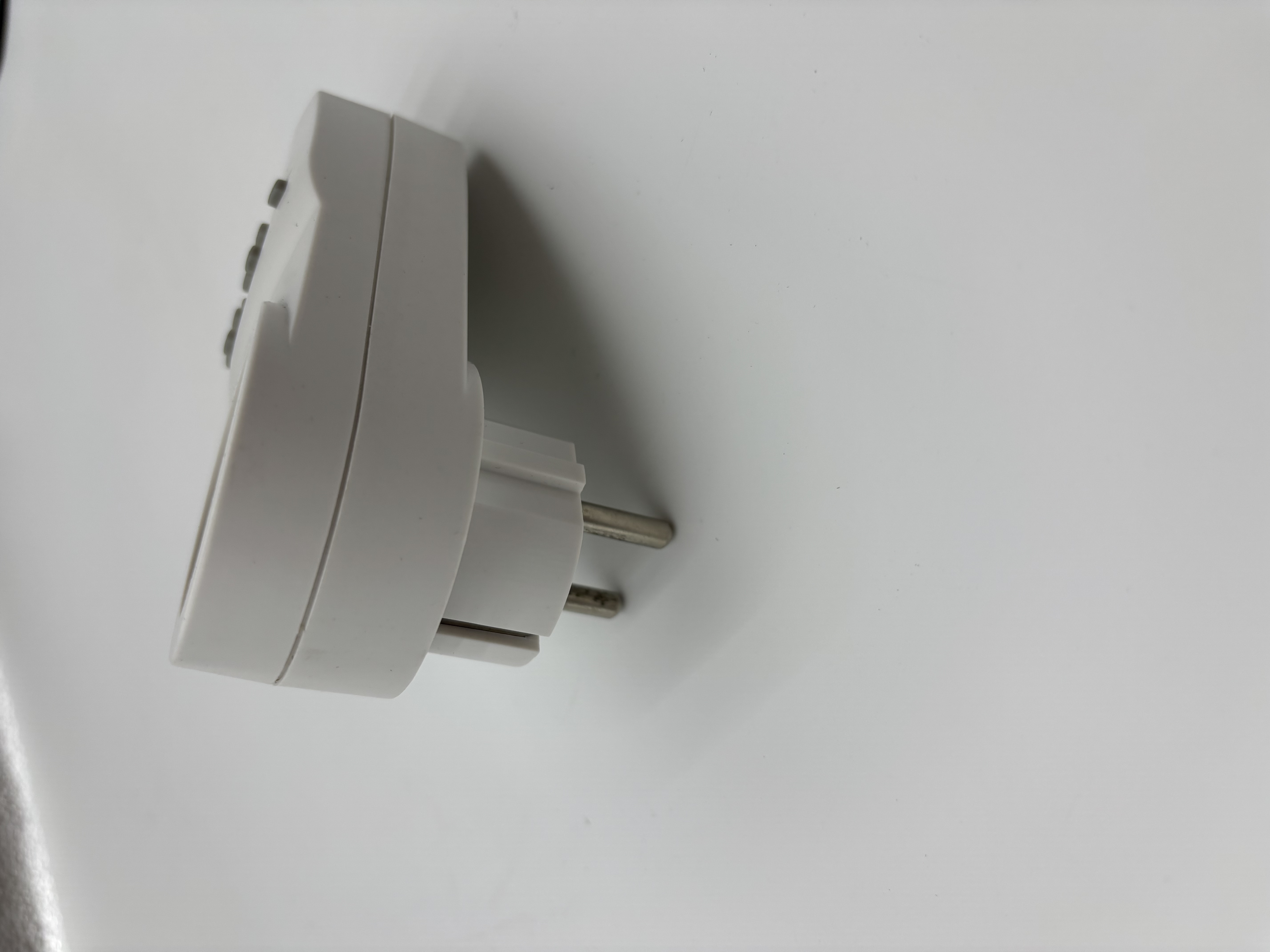
ज़िगबी/ब्लूटूथ एलई कनेक्टिविटी और वास्तविक समय में ऊर्जा उपयोग के विश्लेषण
कम शक्ति वाले वायरलेस प्रोटोकॉल, जैसे ज़िगबी 3.0 और BLE, टाइमर स्विच को घर में सभी प्रकार के स्मार्ट डिवाइस के साथ प्रभावी ढंग से संवाद करने की अनुमति देते हैं। इन कनेक्शन की सबसे आकर्षक विशेषता यह है कि ये गृह मालिकों को अपनी ऊर्जा खपत की निगरानी बिल्कुल सटीक विवरणों तक करने में सक्षम बनाते हैं। ये केवल कुल संख्याएँ ही नहीं दिखाते, बल्कि यह भी पहचान सकते हैं कि बिजली की मांग में अचानक वृद्धि कब हुई या जब उपकरणों को बंद कर दिया गया हो, तब भी वे बिजली खींचते रहे हैं। इन प्रणालियों के साथ आने वाले विश्लेषण उपकरण उपयोगकर्ताओं को अगले कदम के रूप में क्या करना चाहिए, इस पर व्यावहारिक सुझाव प्रदान करते हैं। उदाहरण के लिए, कुछ परीक्षणों के अनुसार, पूल पंप के संचालन को कम दर वाले समय पर स्थानांतरित करने से बिजली के बिल में लगभग 15 प्रतिशत की कमी की जा सकती है। सबसे अच्छी बात? ये सभी विभिन्न घटक पूरे स्मार्ट होम सेटअप में बिना किसी असंगति के एकसाथ सुचारू रूप से कार्य करते हैं। बिजली के बल्ब, सुरक्षा कैमरे, थर्मोस्टैट और स्प्रिंकलर प्रणालियाँ अपनी गतिविधियों का समन्वय वाई-फाई सिग्नल को अवरुद्ध किए बिना या किसी विशिष्ट निर्माता के विशेष हार्डवेयर की आवश्यकता के बिना कर सकती हैं।