
 EN
EN



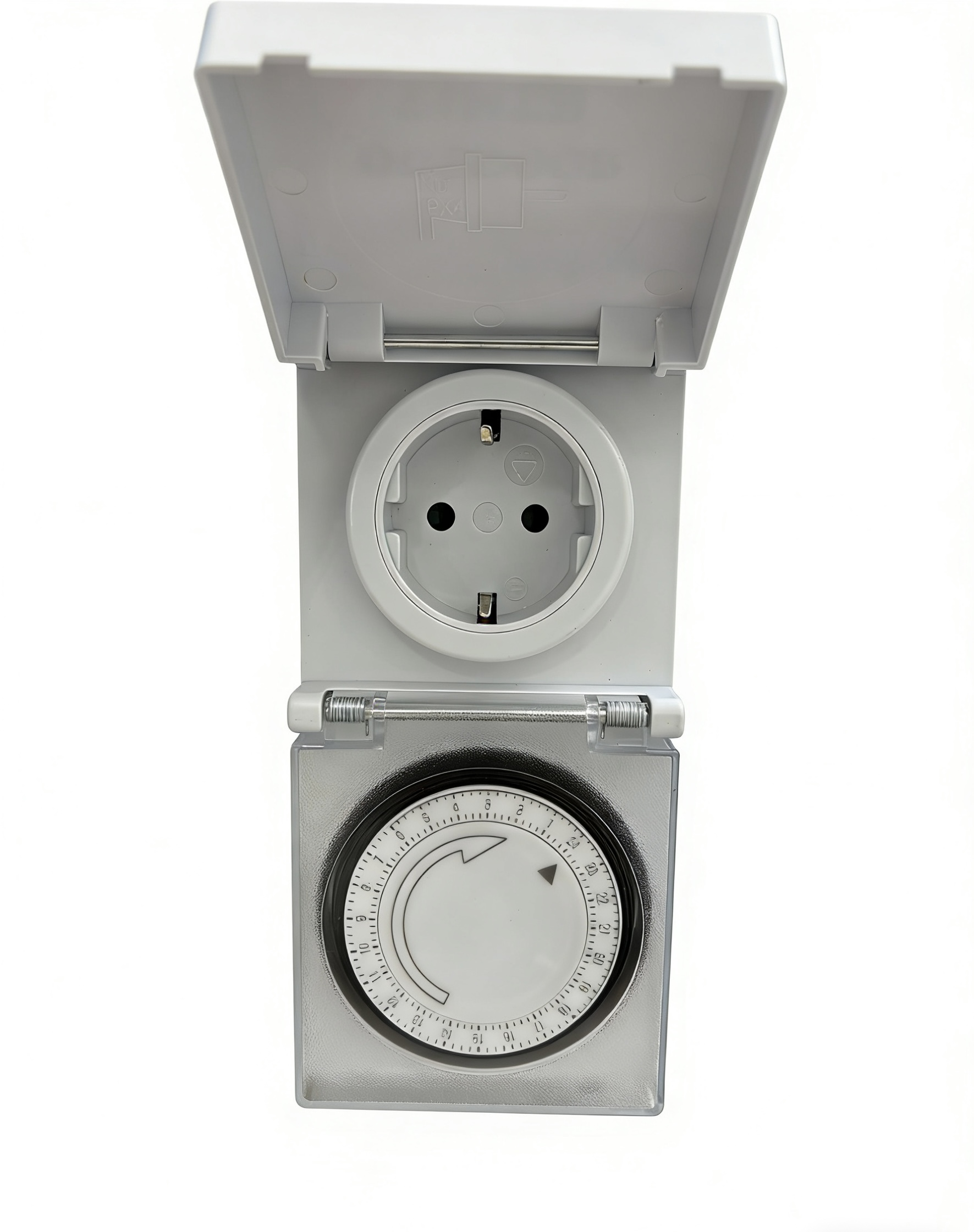
Hvorfor en 24-timers timer er avgörande for skiftbasert industriell automatisering
Synkronisering av partioperasjoner over flerskiftsproduksjonsløp
I anlegg med flere skift fører overganger mellom arbeidsgrupper til tidsmessige inkonsistenser som svekker batch-konsistensen. En 24-timers timer fungerer som en sentral, fast referanse som koordinerer start-, stopp- og overgangspunkter på tvers av alle skift med nøyaktighet. Når det første skiftet avslutter en kjemisk reaksjon klokken 23:00, utløser timeren automatisk forvarmingssekvensen for det andre skiftet klokken 23:05, noe som eliminerer manuell inngrep og akkumulert avvik fra veggmurklokker eller håndskrevne notater. Ved å knytte produksjonsstegene til en gjentakelig 24-timers tidsskala reduseres variasjonen mellom batcher og behovet for omproduksjon. For eksempel kan en tidsfeil på 30 sekunder på en bilpakkelinje føre til forsinkelse av en hel palliseringscyklus – med kostnader på 30 000–50 000 USD per time med nedetid. Med denne graden av tidsmessig disiplin leverer hvert skift forutsigbar og gjentakbar ytelse – noe som er avgjørende for just-in-time-forsyningskjeder.
Muliggjør pålitelige uovervåkede produksjonsløp om natten og på helg
Produksjonskrav om natt- og helgedrift krever autonom, feiltolerant tidstyring. En robust 24-timers timer som er programmert med flerdagerskjemaer kan starte kjøling klokken 18:00, aktivere transportbånd klokken 19:00 og utføre en trygg avslutning klokken 06:00 — alt mens anlegget er ubesatt. Denne «lights-out»-funksjonaliteten omgjør inaktiv tid til produktiv kapasitet og øker utnyttelsen av aktiva med opptil 40 % uten økt arbeidskraft. Avgjørende er at industrielle timer gjenoppretter seg sømløst etter strømavbrudd: ikke-flyktig minne og batteribakker bevarer planlagt logikk, slik at drift fortsetter fra nøyaktig det punktet der feilen oppsto — ikke ved full tilbakestilling. En slik robusthet muliggjør verdifulle ubemannede prosesser som varmebehandling eller injeksjonsformning, reduserer behovet for personell på tredje vakt og senker driftsrisikoen.
Sømløs integrasjon av PLC og SCADA for lukket-loop-tidstyringslogikk
Å integrere en 24-timers timer direkte i PLC- og SCADA-systemer skaper en lukket løkke for tidsstyring som synkroniserer tidskritiske operasjoner over hele produksjonsgulvet. Tilkoplingen oppnås vanligtvis via diskrete I/O- eller industrielle protokoller som Modbus TCP, noe som gjør at timeren kan fungere som en programmerbar utløser i styringslogikken. Den kan starte batchsekvenser på flere linjer samtidig – og gi tilbake sanntidsstatus til SCADA for sentral overvåking. Denne integrasjonen sikrer pålitelighet ved dosering, herding og konveyorstaging uten manuell tilsyn, og reduserer menneskelige feil med 23 % i kontinuerlige operasjoner (Rapport om automatiseringseffektivitet 2024). Den støtter også automatiserte skiftbytter og planlagte vedlikeholdsperioder, noe som maksimerer utstyrets driftstid.
Løsning av klokkeavvik og gjenoppretting etter strømbrudd for 24-timers pålitelighet
Bærekraftig 24-timers pålitelighet avhenger av motstandsevne mot klokkeavvik og strømforstyrrelser. Høy-nøyaktige tidtakere bruker temperaturkompenserte krystalloscillatorer (TCXO), som begrenser avviket til mindre enn ±1 sekund per dag – og dermed holder nøyaktig synkronisering med hoved-PLC-klokkene. For å håndtere strømbrudd bruker industrielle modeller superkondensatorer eller ikke-flyktig minne for å bevare tidsskjemaer og gjenoppta utførelsen fra nøyaktig det punktet der den ble avbrutt, så snart strømmen gjenopprettes. Denne feil-sikre oppførselen er avgjørende i prosesser der avvik utgjør risiko for produkttap – for eksempel i avløpsvannsbehandlingsprosesser eller kontinuerlige ovner, der feil i tidsscheduling kan koste over 740 000 USD årlig (Ponemon Institute 2023). Redundante strøminnganger og overspenningsbeskyttelse sikrer ytterligere stabil drift i elektrisk støyrike miljøer.
Innstilling av nøyaktige inn/ut-intervaller, gjentakelsessykluser og feilsikre standardverdier
Konfigurasjonen starter med å definere nøyaktige inn/ut-intervaller som er justert til prosesskravene. Digitale tidklokker tillater nøyaktig programmering av start/stopp-tider og gjentakelsesperioder (daglig, ukentlig); mekaniske enheter bruker dreieknapp- og flik-grensesnitt for halvtimesegmenter. Bekreft alltid at enheten er i «Auto»- eller «Timer»-modus – ikke i «På»-modus – for å unngå utilsiktet kontinuerlig drift. For sikkerhetskritiske applikasjoner, angi feilsikre standardinnstillinger: for eksempel skal kjølevifter standardmessig stå på ved strømbrudd. Aktiver batteribakup eller superkondensatorstøtte for å bevare innstillingene under strømavbrudd. Kalibrer den interne klokken årlig mot en sporbare tidskilde for å unngå kumulativ tidsdrift som kan føre til feiljustering av skiftoverganger eller batch-start – og dermed sikre konsekvent driftstid og minimal inngrep fra operatører.
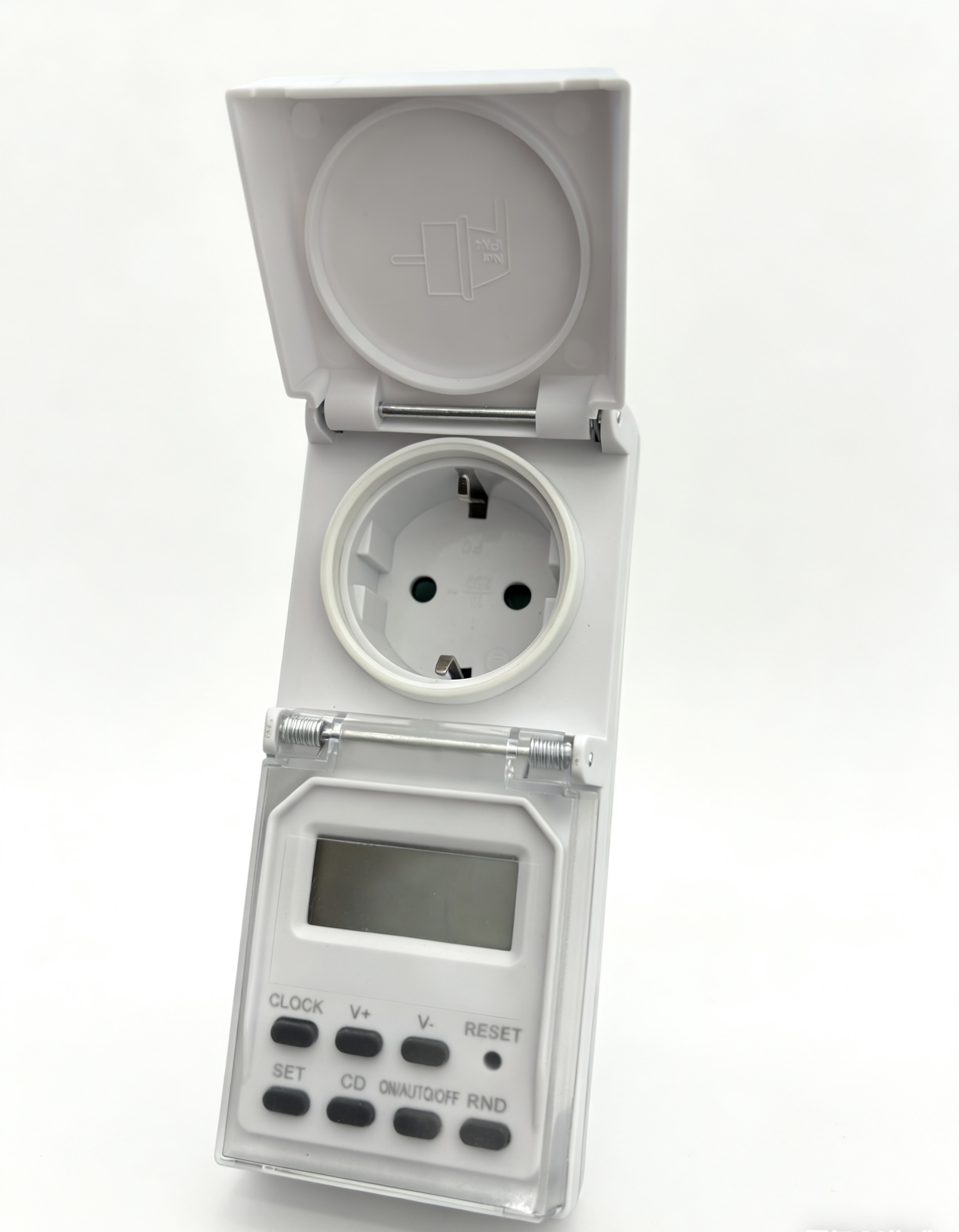
Valg av riktig 24-timers tidklokke for harde industrielle miljøer
Hardt klima krever en robust konstruksjon. Timer med industriell kvalitet for 24 timer fungerer pålitelig fra −40 °C til +70 °C og har IP67- eller IP69K-klassifisering – og tåler frysing i lagerhaller, rengjøringsprosesser i matindustrien og støvete gruvesider. Kretskort med konformbelægning og forseglete innkapslinger beskytter mot fuktighet, korrosjon og inntrenging av partikler. Housinger som er testet for vibrasjonsmotstand i henhold til MIL-STD-810G er avgjørende i nærheten av tunge maskiner eller på mobile plattformer. Å prioritere disse spesifikasjonene sikrer uavbrutt styring av 24-timers sykluser – selv under ekstreme belastninger – og minimerer uplanlagt nedetid i kravstillende produksjonsmiljøer.
Ofte stilte spørsmål om 24-timers timer i industriell automatisering
Hva er en 24-timers timer, og hvorfor er den viktig?
En 24-timers timer er en enhet som brukes til å automatisere og planlegge operasjoner i industrielle miljøer innenfor en 24-timers syklus. Den sikrer nøyaktig tidssynkronisering, konsekvens og pålitelighet for skiftbaserte og kontinuerlige operasjoner, og minimerer feil og nedetid.
Hvordan gir en 24-timers timer fordeler for produksjon med flere skift?
Den fungerer som et fast referansepunkt for produksjonssteg, koordinerer overganger og operasjoner mellom skift, reduserer tidsinkonsistenser og partivariasjoner og sikrer forutsigbar og gjentakbar produksjon.
Kan en 24-timers timer fungere autonomt under natt- og helgeskift?
Ja, industrielle timer utstyrt med flerdagersplaner, ikke-flyktig minne og batteribakker kan kontrollere operasjoner autonomt under ubesatte perioder, noe som øker produktiviteten uten ekstra arbeidskraft.
Hvordan kan en 24-timers timer integreres med PLC- og SCADA-systemer?
Integrasjon skjer via diskrete I/O- eller industrielle protokoller som Modbus TCP, noe som muliggjør programmerbare utløsere, sentral overvåking og synkronisering av operasjoner på anleggsplanet.
Hva bør jeg vurdere når jeg velger en 24-timers timer for harde miljøer?
Søk etter robuste design med brede temperaturområder for drift, høye IP-klassifiseringer for støv- og vannbestandighet, konformbelagte kretskort og vibrasjonsgodkjente kabinetter for holdbarhet i ekstreme forhold.
Innholdsfortegnelse
-
Hvorfor en 24-timers timer er avgörande for skiftbasert industriell automatisering
- Synkronisering av partioperasjoner over flerskiftsproduksjonsløp
- Muliggjør pålitelige uovervåkede produksjonsløp om natten og på helg
- Sømløs integrasjon av PLC og SCADA for lukket-loop-tidstyringslogikk
- Løsning av klokkeavvik og gjenoppretting etter strømbrudd for 24-timers pålitelighet
- Innstilling av nøyaktige inn/ut-intervaller, gjentakelsessykluser og feilsikre standardverdier
- Valg av riktig 24-timers tidklokke for harde industrielle miljøer
-
Ofte stilte spørsmål om 24-timers timer i industriell automatisering
- Hva er en 24-timers timer, og hvorfor er den viktig?
- Hvordan gir en 24-timers timer fordeler for produksjon med flere skift?
- Kan en 24-timers timer fungere autonomt under natt- og helgeskift?
- Hvordan kan en 24-timers timer integreres med PLC- og SCADA-systemer?
- Hva bør jeg vurdere når jeg velger en 24-timers timer for harde miljøer?