
 EN
EN



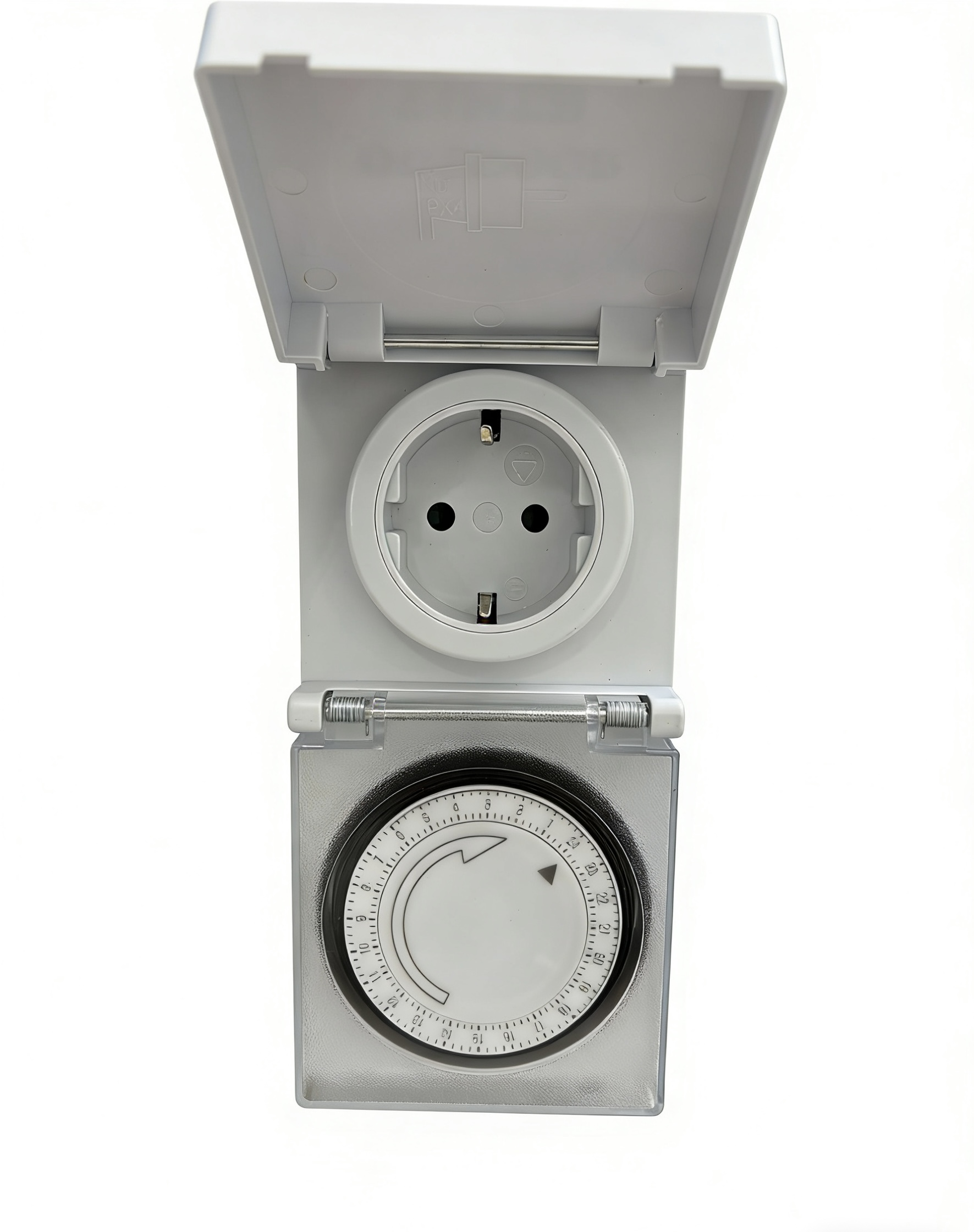
Γιατί ένας χρονοδιακόπτης 24 ωρών είναι απαραίτητος για τη βιομηχανική αυτοματοποίηση με βάση τις βάρδιες
Συγχρονισμός παρτίδων λειτουργιών σε παραγωγικούς κύκλους με πολλαπλές βάρδιες
Σε εγκαταστάσεις με πολλαπλά βάρδιες, οι παραδόσεις μεταξύ των ομάδων εργασίας δημιουργούν χρονικές ασυνέπειες που υπονομεύουν τη συνέπεια των παρτίδων. Ένας χρονομετρητής 24 ωρών λειτουργεί ως κεντρική, σταθερή αναφορά—συντονίζοντας με ακρίβεια τα σημεία έναρξης, λήξης και μετάβασης σε όλες τις βάρδιες. Όταν η πρώτη βάρδια τερματίζει μια χημική αντίδραση στις 23:00, ο χρονομετρητής ενεργοποιεί αυτόματα την ακολουθία προθέρμανσης της δεύτερης βάρδιας στις 23:05, εξαλείφοντας τη χειροκίνητη παρέμβαση και τη συσσωρευτική παρέκκλιση από τους τοίχους ρολόγια ή τις χειρόγραφες σημειώσεις. Αγκυρώνοντας τα βήματα παραγωγής σε ένα επαναλαμβανόμενο χρονοδιάγραμμα 24 ωρών, μειώνει τη μεταβλητότητα μεταξύ παρτίδων και την ανάγκη επανεργασίας. Για παράδειγμα, ένα σφάλμα χρονομέτρησης 30 δευτερολέπτων σε μια γραμμή συσκευασίας αυτοκινήτων μπορεί να καθυστερήσει ολόκληρον τον κύκλο παλετοποίησης—με κόστος 30.000–50.000 δολάρια ΗΠΑ ανά ώρα αδρανοποίησης. Με αυτό το επίπεδο χρονικής πειθαρχίας, κάθε βάρδια παράγει προβλέψιμη και επαναλαμβανόμενη παραγωγή—προϋπόθεση για αλυσίδες εφοδιασμού «ακριβώς εγκαίρως».
Διευκολύνει αξιόπιστες ανεπιτήρητες παραγωγικές λειτουργίες κατά τη διάρκεια της νύχτας και των Σαββατοκύριακων
Οι παραγωγικές απαιτήσεις κατά τη διάρκεια νυχτών και Σαββατοκύριακων απαιτούν αυτόνομη, ανθεκτική σε σφάλματα χρονική διαχείριση. Ένας ανθεκτικός χρονοδιακόπτης 24 ωρών, προγραμματισμένος με πολυημερείς χρονοδιαγράμματα, μπορεί να ενεργοποιήσει την ψύξη στις 18:00, να θέσει σε λειτουργία τις ταινίες μεταφοράς στις 19:00 και να εκτελέσει ασφαλή απενεργοποίηση στις 06:00 — όλα αυτά ενώ η εγκατάσταση είναι ακατοίκητη. Αυτή η δυνατότητα «λειτουργίας με τα φώτα σβηστά» μετατρέπει τον αδρανή χρόνο σε παραγωγική ικανότητα, αυξάνοντας την αξιοποίηση των περιουσιακών στοιχείων έως και κατά 40 % χωρίς πρόσθετο εργατικό δυναμικό. Κατά τρόπο κρίσιμο, οι βιομηχανικού τύπου χρονοδιακόπτες ανακάμπτουν αμέσως από διακοπές ρεύματος: η μνήμη μη επαναληπτικής εγγραφής (non-volatile) και οι μπαταρίες αντικατάστασης διατηρούν τη λογική των χρονοδιαγραμμάτων, επιτρέποντας τη συνέχιση από το ακριβές σημείο όπου προέκυψε το σφάλμα — όχι από μηδενική επανεκκίνηση. Αυτή η ανθεκτικότητα επιτρέπει υψηλής αξίας αδιάκοπες διαδικασίες, όπως η θερμική κατεργασία ή η χύτευση με έγχυση, μειώνοντας τις ανάγκες για προσωπικό της τρίτης βάρδιας και μειώνοντας το λειτουργικό κίνδυνο.
Αδιάλειπτη ενσωμάτωση με PLC και SCADA για κλειστό βρόχο λογική χρονικής διαχείρισης
Η ενσωμάτωση ενός χρονοδιακόπτη 24 ωρών απευθείας στα συστήματα PLC και SCADA δημιουργεί μια αρχιτεκτονική χρονομέτρησης με κλειστό βρόχο, η οποία συγχρονίζει λειτουργίες κρίσιμες ως προς τον χρόνο σε όλη την εργοταξιακή επιφάνεια. Η σύνδεση επιτυγχάνεται συνήθως μέσω διακριτών εισόδων/εξόδων (I/O) ή βιομηχανικών πρωτοκόλλων, όπως το Modbus TCP, επιτρέποντας στο χρονοδιακόπτη να λειτουργεί ως προγραμματιζόμενος ενεργοποιητής εντός της λογικής ελέγχου. Μπορεί να ξεκινά ταυτόχρονα σειρές παρτίδων σε πολλαπλές γραμμές — και να επιστρέφει πραγματικού χρόνου κατάσταση στο σύστημα SCADA για κεντρική παρακολούθηση. Αυτή η ενσωμάτωση διασφαλίζει την αξιοπιστία στις διαδικασίες δοσολογίας, θερμοκατεργασίας και προετοιμασίας ταινιών μεταφοράς χωρίς ανθρώπινη επίβλεψη, μειώνοντας τα ανθρώπινα λάθη κατά 23% σε συνεχείς λειτουργίες (Έκθεση Αποδοτικότητας Αυτοματισμού 2024). Υποστηρίζει επίσης αυτόματες μεταβάσεις βάρδιας και προγραμματισμένα παράθυρα συντήρησης, μεγιστοποιώντας τον χρόνο λειτουργίας του εξοπλισμού.
Αντιμετώπιση της παρέκκλισης ρολογιού και της ανάκαμψης μετά από διακοπή ρεύματος για εγγύηση αξιοπιστίας 24 ωρών
Η διατήρηση της αξιοπιστίας για 24 ώρες εξαρτάται από την αντίσταση στην παρέκκλιση του χρόνου (clock drift) και στις διακοπές τροφοδοσίας. Οι υψηλής ακρίβειας χρονοδιακόπτες χρησιμοποιούν κρυσταλλικούς ταλαντωτές με θερμοκρασιακή διόρθωση (TCXO), περιορίζοντας την παρέκκλιση σε λιγότερο από ±1 δευτερόλεπτο ανά ημέρα — διασφαλίζοντας έτσι ακριβή συγχρονισμό με τους κύριους χρονοδιακόπτες PLC. Για την αντιμετώπιση διακοπών, τα βιομηχανικά μοντέλα χρησιμοποιούν υπερσυσσωρευτές ή μνήμη μη επαναληπτικής εγγραφής (non-volatile memory) για να διατηρούν τους χρονοπρογραμματισμούς και να επαναλαμβάνουν την εκτέλεση από το ακριβές σημείο διακοπής μόλις αποκατασταθεί η τροφοδοσία. Αυτή η συμπεριφορά ασφαλείας (fail-safe) είναι κρίσιμη σε διαδικασίες όπου οποιαδήποτε απόκλιση ενδέχεται να οδηγήσει σε απώλεια προϊόντων — όπως στους κύκλους επεξεργασίας αποβλήτων ή σε συνεχείς κλίβανους, όπου λάθη στον χρονοπρογραμματισμό μπορούν να κοστίσουν πάνω από 740.000 δολάρια ΗΠΑ ετησίως (Ponemon Institute, 2023). Επιπλέον, οι εναλλακτικές εισόδους τροφοδοσίας και η προστασία από υπερτάσεις διασφαλίζουν περαιτέρω τη σταθερή λειτουργία σε ηλεκτρικά «θορυβώδη» περιβάλλοντα.
Ορισμός ακριβών διαστημάτων ενεργοποίησης/απενεργοποίησης, επαναλαμβανόμενων κύκλων και προκαθορισμένων ρυθμίσεων ασφαλείας (fail-safe)
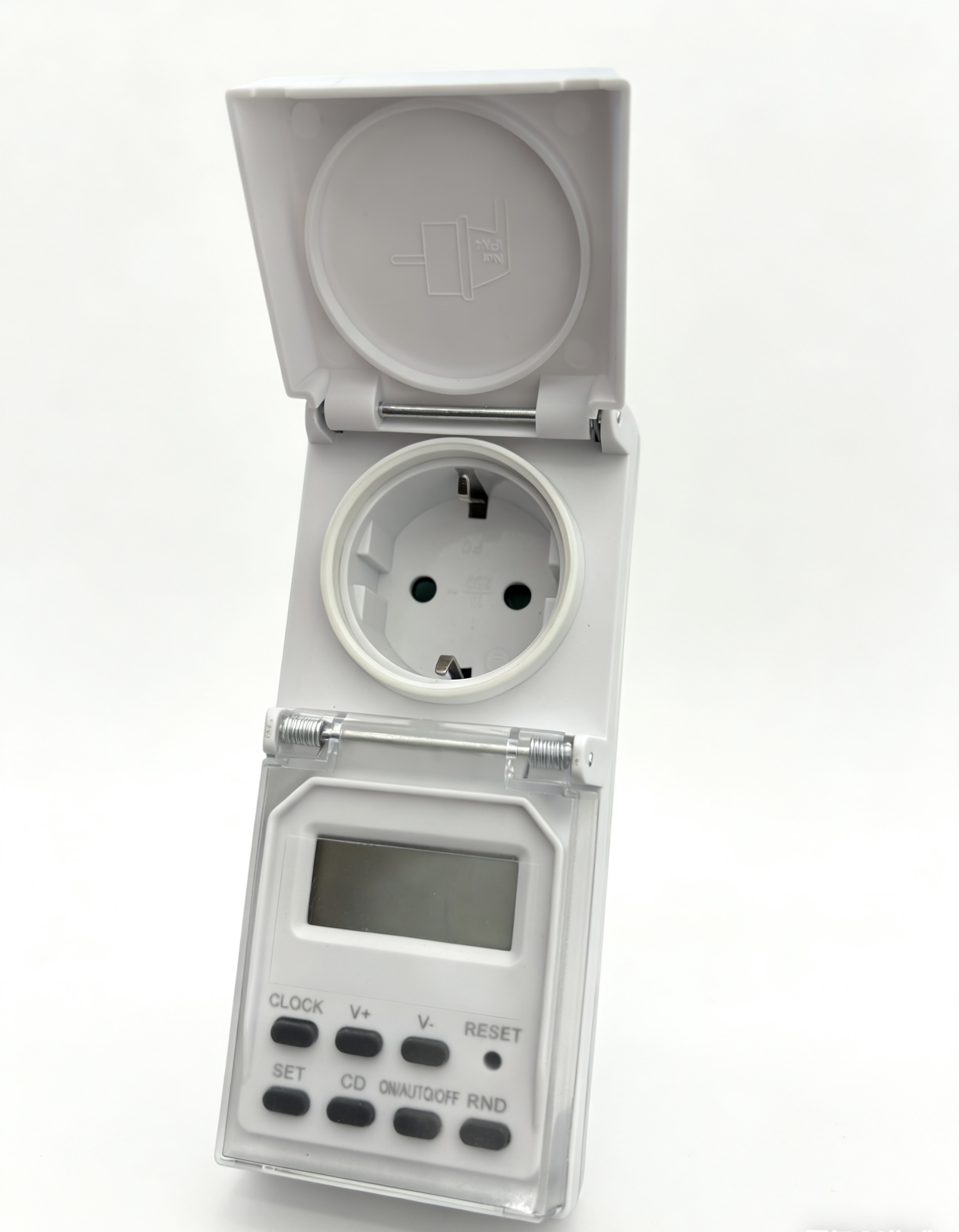
Η διαμόρφωση ξεκινά με τον καθορισμό ακριβών χρονικών διαστημάτων ενεργοποίησης/απενεργοποίησης, που συντονίζονται με τις απαιτήσεις της διαδικασίας. Οι ψηφιακοί χρονοδιακόπτες επιτρέπουν τον ακριβή προγραμματισμό των χρόνων έναρξης/λήξης και των επαναληπτικών κύκλων (ημερήσιων, εβδομαδιαίων), ενώ οι μηχανικές μονάδες χρησιμοποιούν διεπαφές με ροδέλα και ετικέτες για διαστήματα μισής ώρας. Ελέγξτε πάντα ότι η μονάδα βρίσκεται σε λειτουργία «Αυτόματη» ή «Χρονοδιακόπτης», και όχι σε λειτουργία «Ενεργό», για να αποφευχθεί η ακούσια συνεχής λειτουργία. Για εφαρμογές κρίσιμες για την ασφάλεια, ορίστε ασφαλείς προκαθορισμένες τιμές: π.χ. οι ανεμιστήρες ψύξης πρέπει να είναι προκαθορισμένοι σε κατάσταση «ενεργό» κατά την απώλεια ρεύματος. Ενεργοποιήστε την υποστήριξη μπαταρίας αντικατάστασης ή υπερπυκνωτή για τη διατήρηση των ρυθμίσεων κατά τις διακοπές ρεύματος. Βαθμονομήστε ετησίως το εσωτερικό ρολόι σε σύγκριση με μια ελεγχόμενη πηγή χρόνου, προκειμένου να αποφευχθεί η συσσωρευτική απόκλιση που θα μπορούσε να προκαλέσει ασυντονισμό στις αναλήψεις βάρδιας ή στην έναρξη παρτίδων—διασφαλίζοντας έτσι συνεχή διαθεσιμότητα και ελάχιστη παρέμβαση από τον χειριστή.
Επιλογή του Κατάλληλου Τύπου Χρονοδιακόπτη 24 Ωρών για Απαιτητικά Βιομηχανικά Περιβάλλοντα
Οι ακραίες συνθήκες απαιτούν ενισχυμένο σχεδιασμό. Οι βιομηχανικής κατηγορίας χρονοδιακόπτες 24 ωρών λειτουργούν αξιόπιστα σε θερμοκρασίες από −40 °C έως +70 °C και διαθέτουν βαθμούς προστασίας IP67 ή IP69K—αντέχοντας σε ψυχρά αποθηκευτικά κέντρα, σε εγκαταστάσεις επεξεργασίας τροφίμων με πλύσιμο και σε σκονισμένες ορυχεία. Τα κυκλώματα με προστατευτική επίστρωση (conformal coating) και οι σφραγισμένες θήκες προστατεύουν από υγρασία, διάβρωση και εισχώρηση σωματιδίων. Οι θήκες αντοχής σε δονήσεις, σύμφωνα με το πρότυπο MIL-STD-810G, είναι απαραίτητες κοντά σε βαριά μηχανήματα ή σε κινητές πλατφόρμες. Η προτεραιότητα αυτών των προδιαγραφών διασφαλίζει αδιάκοπο έλεγχο κύκλου 24 ωρών—ακόμη και υπό ακραίες καταπονήσεις—ελαχιστοποιώντας τις απρόβλεπτες διακοπές λειτουργίας σε απαιτητικά παραγωγικά περιβάλλοντα.
Συχνές Ερωτήσεις για τους Χρονοδιακόπτες 24 Ωρών στη Βιομηχανική Αυτοματοποίηση
Τι είναι ένας χρονοδιακόπτης 24 ωρών και γιατί είναι σημαντικός;
Ένας χρονοδιακόπτης 24 ωρών είναι μια συσκευή που χρησιμοποιείται για την αυτοματοποίηση και τον προγραμματισμό λειτουργιών σε βιομηχανικά περιβάλλοντα εντός ενός κύκλου 24 ωρών. Διασφαλίζει ακριβή χρονική διαχείριση, συνέπεια και αξιοπιστία για λειτουργίες που βασίζονται σε βάρδιες ή συνεχείς διαδικασίες, ελαχιστοποιώντας τα λάθη και τις διακοπές λειτουργίας.
Πώς ωφελεί ένας χρονοδιακόπτης 24 ωρών την παραγωγή με πολλαπλά βάρδιες;
Λειτουργεί ως σταθερό αναφορικό σημείο για τα βήματα παραγωγής, συντονίζοντας τις μεταβάσεις και τις λειτουργίες μεταξύ των βαρδιών, μειώνοντας τις ασυνέπειες χρονισμού και τις διακυμάνσεις παρτίδων, ενώ διασφαλίζει προβλέψιμη και επαναλαμβανόμενη παραγωγή.
Μπορεί ένας χρονοδιακόπτης 24 ωρών να λειτουργεί αυτόνομα κατά τη διάρκεια βαρδιών νυχτός και στα Σαββατοκύριακα;
Ναι, χρονοδιακόπτες βιομηχανικής κατηγορίας που διαθέτουν προγράμματα για πολλαπλές ημέρες, μνήμη μη επαναληπτικής εγγραφής (non-volatile memory) και συστήματα αντικατάστασης με μπαταρία μπορούν να ελέγχουν αυτόνομα τις λειτουργίες κατά τη διάρκεια περιόδων χωρίς παρουσία προσωπικού, αυξάνοντας την παραγωγικότητα χωρίς επιπλέον εργατικό κόστος.
Πώς μπορεί ένας χρονοδιακόπτης 24 ωρών να ενσωματωθεί με συστήματα PLC και SCADA;
Η ενσωμάτωση πραγματοποιείται μέσω διακριτών εισόδων/εξόδων (discrete I/O) ή βιομηχανικών πρωτοκόλλων, όπως το Modbus TCP, επιτρέποντας προγραμματιζόμενες ενεργοποιήσεις, κεντρική παρακολούθηση και συγχρονισμό σε όλες τις λειτουργίες της εργοταξιακής γραμμής.
Τι πρέπει να λάβω υπόψη κατά την επιλογή ενός χρονοδιακόπτη 24 ωρών για απαιτητικά περιβάλλοντα;
Αναζητήστε σχεδιασμούς με ενισχυμένη αντοχή, με ευρείες θερμοκρασιακές περιοχές λειτουργίας, υψηλές βαθμίδες IP για αντοχή σε σκόνη και νερό, πλακέτες κυκλωμάτων με συμμορφωτική επίστρωση και περιβλήματα ανθεκτικά σε δονήσεις, προκειμένου να εξασφαλιστεί η αντοχή τους σε ακραίες συνθήκες.
Περιεχόμενα
-
Γιατί ένας χρονοδιακόπτης 24 ωρών είναι απαραίτητος για τη βιομηχανική αυτοματοποίηση με βάση τις βάρδιες
- Συγχρονισμός παρτίδων λειτουργιών σε παραγωγικούς κύκλους με πολλαπλές βάρδιες
- Διευκολύνει αξιόπιστες ανεπιτήρητες παραγωγικές λειτουργίες κατά τη διάρκεια της νύχτας και των Σαββατοκύριακων
- Αδιάλειπτη ενσωμάτωση με PLC και SCADA για κλειστό βρόχο λογική χρονικής διαχείρισης
- Αντιμετώπιση της παρέκκλισης ρολογιού και της ανάκαμψης μετά από διακοπή ρεύματος για εγγύηση αξιοπιστίας 24 ωρών
- Ορισμός ακριβών διαστημάτων ενεργοποίησης/απενεργοποίησης, επαναλαμβανόμενων κύκλων και προκαθορισμένων ρυθμίσεων ασφαλείας (fail-safe)
- Επιλογή του Κατάλληλου Τύπου Χρονοδιακόπτη 24 Ωρών για Απαιτητικά Βιομηχανικά Περιβάλλοντα
-
Συχνές Ερωτήσεις για τους Χρονοδιακόπτες 24 Ωρών στη Βιομηχανική Αυτοματοποίηση
- Τι είναι ένας χρονοδιακόπτης 24 ωρών και γιατί είναι σημαντικός;
- Πώς ωφελεί ένας χρονοδιακόπτης 24 ωρών την παραγωγή με πολλαπλά βάρδιες;
- Μπορεί ένας χρονοδιακόπτης 24 ωρών να λειτουργεί αυτόνομα κατά τη διάρκεια βαρδιών νυχτός και στα Σαββατοκύριακα;
- Πώς μπορεί ένας χρονοδιακόπτης 24 ωρών να ενσωματωθεί με συστήματα PLC και SCADA;
- Τι πρέπει να λάβω υπόψη κατά την επιλογή ενός χρονοδιακόπτη 24 ωρών για απαιτητικά περιβάλλοντα;