
 EN
EN



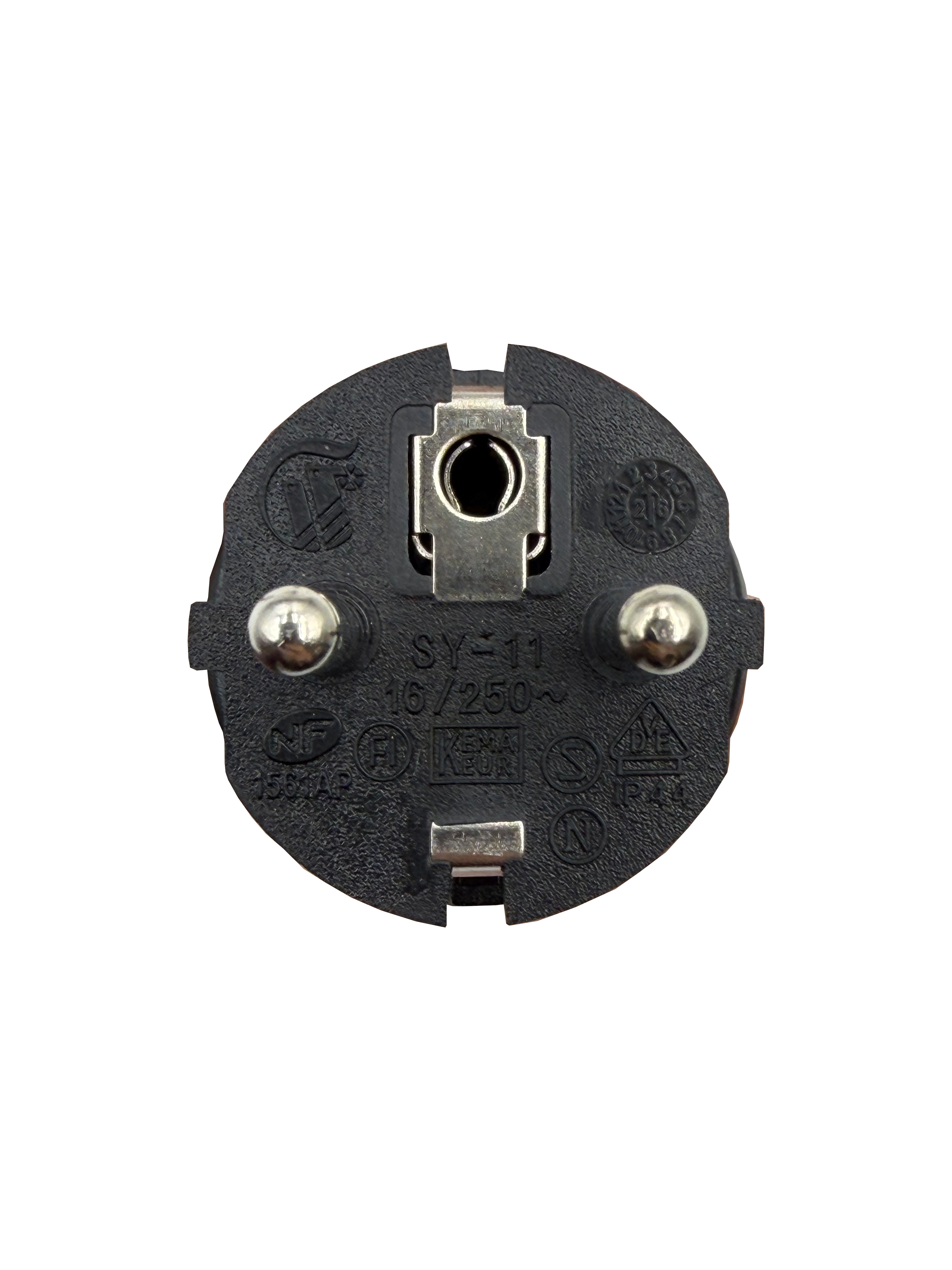
Kernens elektriske specifikationer, der definerer ydeevnen for kommercielle forlængerledninger
Ledertværsnit (AWG) og strømstyrkeangivelse: Hvorfor 10-gauge og 12-gauge er standard for bygge- og facilitetsbrug
Trådens tykkelse spiller en afgørende rolle for, hvor meget strøm en kommerciel forlængerledning kan håndtere sikkert. Når du ser på American Wire Gauge (AWG)-værdier, skal du huske, at lavere AWG-tal faktisk betyder tykkere tråde. Disse tykkere ledere kan lede mere strøm uden at generere så meget varme eller modstand undervejs. På byggepladser og i fabrikker bruger de fleste arbejdere 12-gauge-ledninger til deres daglige behov, da de fungerer godt med almindelige el-værktøjer og belysningsopsætninger, der trækker mellem 15 og 20 ampere. Men når der arbejdes med større udstyr som luftkompressorer eller svejseapparater, der kræver mere elektricitet, er det fornuftigt at vælge en 10-gauge-ledning, da den kan håndtere disse tungere belastninger fra 20 op til 30 ampere komfortabelt. Ved at følge disse tykkelsesstandarder holdes spændingsfaldet minimalt ved lange kabellængder, og farlige overophedningsforhold undgås. Desuden sikrer overholdelse af korrekte tykkelsesspecifikationer overensstemmelse med NEC-artikel 400 og forhindrer overbelastning af el-systemer, hvilket kunne medføre potentielle brandrisici.
Forklaring af NEMA-stiktyper: Tilpasning af 5-15R-, 5-20R- og L5-30R-stik til udstyrsbelastningsklasser
Stikkonfigurationer fra National Electrical Manufacturers Association (NEMA) sikrer sikker og standardiseret strømforsyning i kommercielle anvendelser. Valg af den korrekte stikkontakt er afgørende for at matche udstyrets belastningsprofil og opretholde jordforbindelsens integritet:
| NEMA-type | Amperage | Spænding | Almindelige udstyrsanvendelser |
|---|---|---|---|
| 5-15R | 15a | 125 V | Boremaskiner, savs, arbejdsbelysning |
| 5-20R | 20A | 125 V | Luftkompressorer, værkstedsstøvsugere |
| L5-30R | 30A | 125 V | Industrielle varmeapparater, lysbue-svejseapparater |
Låsefunktionen på L5-30R-stikforbindelser holder dem sikkert forbundet, selv når der er meget vibration i omgivelserne. Brug af 5-20R-stikdåser fungerer lige så godt til 15 A-værktøjer, hvilket giver faciliteterne ekstra plads til fremtidig udvidelse. Når stik ikke passer korrekt sammen, opstår der problemer med OSHA-standard 1926.405 vedrørende korrekt jordforbindelse – uden at nævne risikoen for beskadiget udstyr eller farlige elektriske stød. Før noget nyt installeres, bør facilitetsledere altid dobbelttjekke, om stikkene rent faktisk passer ind i deres stikdåser. At få dette rigtigt fra starten undgår problemer senere og sikrer, at alle kan arbejde sikkert uden uventede afbrydelser.
Praktiske anvendelsesfordele ved flerudgangsforlængerledning i kommercielle miljøer
Effektivitetsgevinster: Reduktion af ledningsrodet, opsætningstid og snublehazards på arbejdssteder og i lagre
Forlængelseskabler med flere stikkontakter gør det nemmere at forsyne flere værktøjer med strøm på én gang uden at skulle håndtere alle de uoverskuelige enkelte kabler overalt. Facility-managere rapporterer, at denne opsætning reducerer forberedelsestiden med mellem 35 % og måske endda 50 %. Derudover er risikoen for, at nogen snubler over dem, langt lavere – hvilket er meget vigtigt, da snublen og fald er blandt de største problemer, der stadig rapporteres på byggepladser ifølge OSHA’s registreringer. I lagerhaller, hvor gaffeltrucks konstant bevæger sig rundt, sikrer en opsætning med færre tilslutningspunkter, at driften kører smidigt, samtidig med at både gående medarbejdere og maskinerne selv beskyttes mod ulykker.
Sammenligning: Enkeltstik vs. flerstik-opsætning
| Fabrik | Enkeltstik-kabelopsætning | Flerstik-kabelopsætning |
|---|---|---|
| Gns. opsætningstid | 15–20 minutter pr. værktøjsgruppe | 5–8 minutter pr. værktøjsgruppe |
| Risiko for snublefare | Høj (eksponerede krydsende kabler) | Lav (konsolideret rute) |
| Kabelstyring | Kræver separate organisatorer | Indbygget centralisering |
Belastningsfordelingsstrategi: Sikker strømforsyning til flere værktøjer uden overbelastning af kredsløb
Multistikforlængerledninger, der er designet til kommerciel brug, er udstyret med separate kredsløb, der forhindrer strømstød, når flere kraftige værktøjer køres samtidigt. Tag f.eks. en 12-gauge-ledning med en nominel strøm på 20 ampere – den kan håndtere tre værktøjer, der hver især trækker ca. 6 ampere, hvilket i alt udgør 18 ampere, og der er stadig plads til uventede svingninger. Designet efterlader ca. 10 % buffer under maksimal kapacitet, hvilket hjælper med at sikre en jævn drift. Disse ledninger hjælper med at undgå de frustrerende afbrydelser af sikringer lige på det tidspunkt, hvor arbejdet skal udføres – noget, der opfylder kravene i NEC 400.7 for midlertidige installationer. For virksomheder, der opererer i industrielle omgivelser, er det afgørende at kontrollere præcis, hvor meget strøm hvert værktøj trækker. Det er også fornuftigt at vælge modeller med indbygget kredsløbsbeskyttelse, især da nedetid koster penge, og arbejdsmiljøregler kræver konsekvent ydeevne fra elektrisk udstyr.
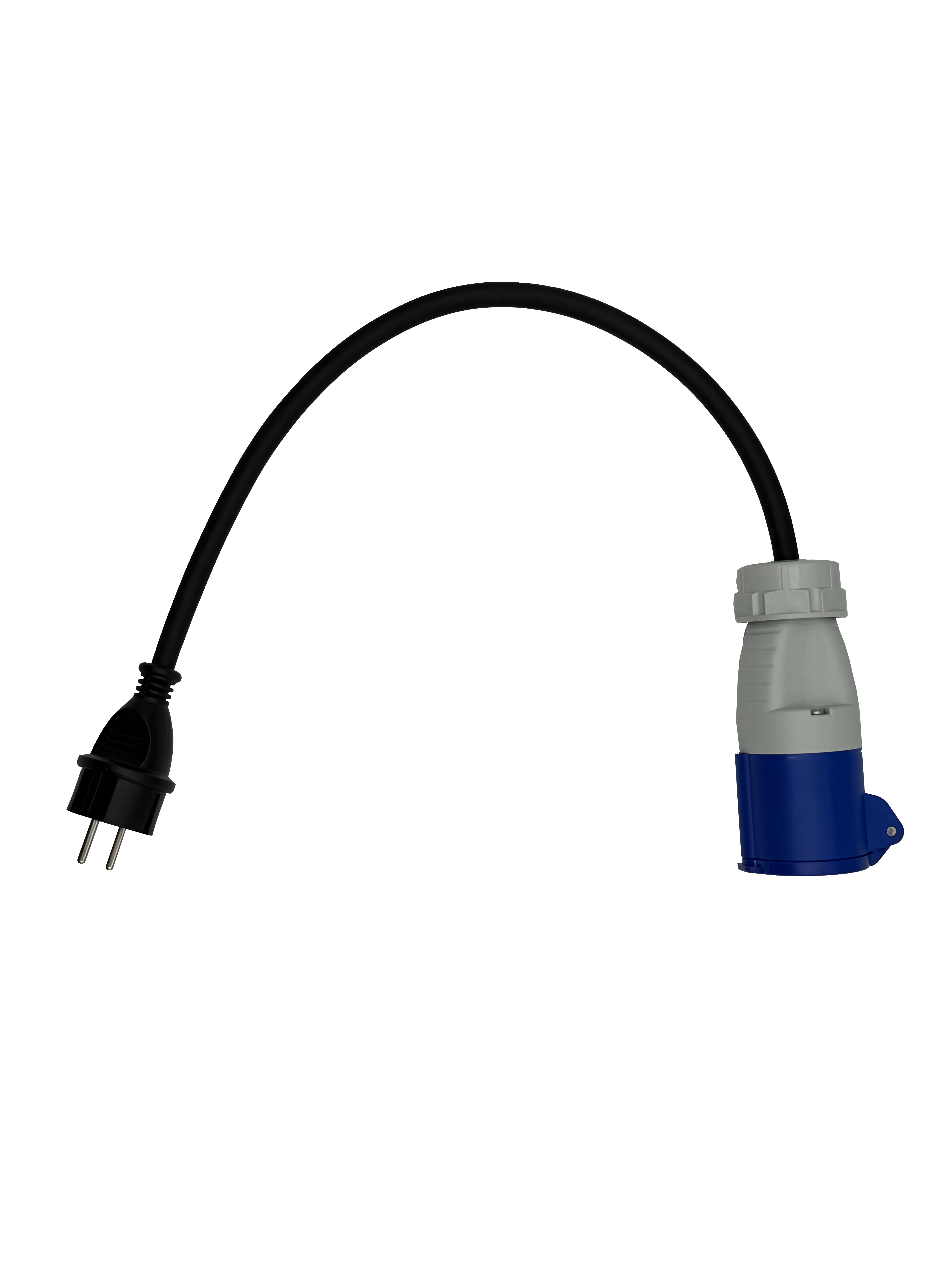
Overholdelse og sikkerhed: Opfyldelse af OSHA-, UL- og NEC-kravene for midlertidig strømforsyning
UL 1363-certificering versus almindelig UL 817-certificering: Hvorfor det er afgørende for multiudtagsextensionskabler
Certificeringen UL 1363 handler udelukkende om de bevægelige strømstik, vi ser overalt – især de erhvervsorienterede forlængerledninger med flere stikkontakter, der bruges så hyppigt i kontorer og butikker. Disse produkter gennemgår strenge tests af bl.a. overbelastningsbeskyttelse, deres kabinetter skal være flammehæmmende, og de skal også have god trækfasthed. Sammenlign det nu med UL 817, som primært omhandler almindelige ledningssæt til daglig hjemmebrug. Disse har ikke samme beskyttelsesniveau, som kræves i krævende miljøer. Når flere enheder er i brug samtidigt på steder som lagerhaller eller produktionsanlæg, er forskellen meget betydningsfuld. Undersøgelser fra elektriske sikkerhedsinspektioner viser faktisk en reduktion af brandrisici på omkring to tredjedele, når der bruges UL 1363-certificerede ledninger i stedet for billigere alternativer. For facility managers, der ønsker at holde forsikringsomkostningerne nede og samtidig beskytte deres bygninger, er valget af UL 1363-certificerede ledninger ikke blot fornuftigt – det er i dag næsten uundværligt.
OSHA 1926.405(a)(2)(iii) og NEC 400.7: Forståelse af grænserne for "midlertidig brug" og udløsende inspektionskriterier
OSHA 1926.405(a)(2)(iii) og NEC 400.7 definerer fælles "midlertidig brug" som installationer, der varer under 90 dage – til bygge-, vedligeholdelses- eller reparationstformål – og pålægger strenge driftssikkerhedsforanstaltninger:
- Daglige visuelle inspektioner for skår, slid, overophedning eller beskadiget isolering
- Forbud mod kædeforbindelse (daisy-chaining) af flerudgangskabler
- Øjeblikkelig udtagelse fra drift, hvis isoleringen er kompromitteret
Ikkeoverholdelse udløser OSHA-bøder på over 15.000 USD pr. overtrædelse (data fra 2024), og NEC-overtrædelser kan medføre, at forsikringsdækningen bortfalder. Driftssteder skal dokumentere inspektioner for at demonstrere rimelig omhu under regulatoriske eller forsikringsmæssige revisioner.
Kritisk risikostyring: Undgå spændingsfald og fælder ved kædeforbindelse
Beregning af spændingsfald: Hvorfor længde, ledertværsnit og belastning afgør den maksimale sikre længde for flerudgangsforlængerledning
Spændingsfald bliver kritisk vigtigt, når flere værktøjer forsynes med strøm gennem kommercielle forlængerledninger: overdreven spændingsfald kan føre til motoroveropvarmning, nedsat værktøjsydelse eller elektronisk fejl. Tre gensidigt afhængige faktorer bestemmer sikker drift:
- Trådmåler ledertværsnit: Tykkere ledere (f.eks. 10 AWG i stedet for 12 AWG) reducerer modstanden og minimerer spændingstab.
- Ledningslængde ledningslængde: Spændingstab stiger ca. 1,2 % pr. 100 fod for 12 AWG-ledninger under fuld belastning.
- Samlet belastning belastning: At trække mere end 80 % af en lednings angivne amperekapacitet accelererer spændingsfaldet og termisk stress.
Tag en standardudstyrskabel på 100 fod (ca. 30,5 meter) med tværsnitsstørrelse 12 gauge, der er tilsluttet en belastning, der trækker 15 ampere. Spændingsfaldet langs kablet udgør ca. 5 procent, hvilket langt overstiger de 3 procent maksimale spændingsfald, som de fleste følsomme apparater kræver for at fungere korrekt. Når arbejdere forbinder flere kabler i serie (det, elektrikere kalder "daisy chaining"), bliver problemet endnu værre. Spændingsfaldet kan næsten fordobles, og denne fremgangsmåde overtræder faktisk sikkerhedsreglerne i OSHA 1926.405(a)(2)(iii). Alle, der arbejder med el-systemer, bør vide, hvordan man beregner sikre afstande, inden kabler udlægges på en byggeplads. Den grundlæggende beregning ser således ud: Tag det tilladte spændingsfald i procent, gange med forsynings-spændingen og divider derefter med to gange strømmen ganget med ledningens modstandsværdi. Kortere kabellængder og tykkere ledninger (lavere gauge-tal) gør en afgørende forskel for at undgå farlig opvarmning og sikre pålidelig drift af maskineri under byggeprojekter.
Indholdsfortegnelse
- Kernens elektriske specifikationer, der definerer ydeevnen for kommercielle forlængerledninger
- Praktiske anvendelsesfordele ved flerudgangsforlængerledning i kommercielle miljøer
- Overholdelse og sikkerhed: Opfyldelse af OSHA-, UL- og NEC-kravene for midlertidig strømforsyning
- Kritisk risikostyring: Undgå spændingsfald og fælder ved kædeforbindelse