
 EN
EN



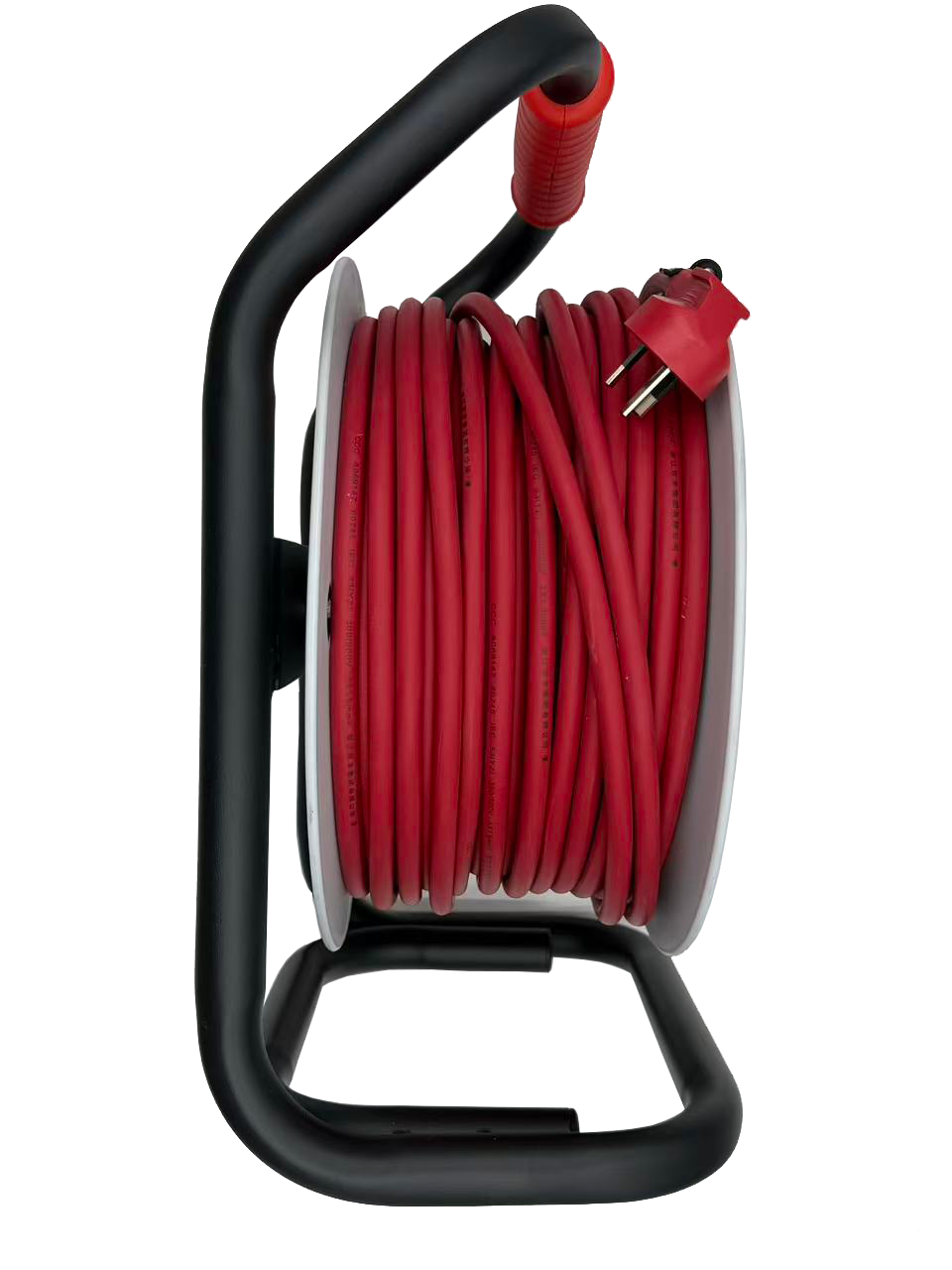
Selecting an appropriate power delivery solution for mixed indoor and outdoor applications remains a critical challenge for facility managers, contractors, and industrial operators. Field experience consistently demonstrates that utilizing generic extension equipment across varying operational landscapes leads to premature jacket cracking, voltage drops, and critical safety hazards. Bridging the gap between indoor workshops and rugged exterior job sites requires a comprehensive understanding of electrical load requirements, environmental protection ratings, and jacket material science. Industry benchmarks and safety standards emphasize that proper equipment selection prevents unexpected downtime, reduces long-term replacement expenses, and ensures continuous operational safety. Establishing a systematic evaluation framework allows professionals to deploy reliable power management solutions that withstand harsh climatic shifts while delivering consistent electrical performance across diverse commercial and residential applications. Furthermore, comprehensive upfront analysis prevents costly equipment mismatches, ensuring that power distribution systems operate efficiently regardless of sudden weather transformations or fluctuating industrial duty cycles.
Decoding Jacket Chemistry and Ratings
Understanding the precise differences between flexible cord designations is vital when evaluating cable durability in dynamic operational settings. A frequent technical debate in field engineering involves comparing options such as SJOOW vs SJTOW jackets. SJOOW cords feature a premium rubber compound that offers exceptional oil resistance and ultimate flexibility in sub-zero temperatures, whereas thermoplastic elastomer or PVC-based alternatives like the standard SJTOW cable rating provide superior resistance to ozone, weathering, and specific chemicals at a more cost-effective price point. For dual-use scenarios where equipment transitions frequently between indoor climate-controlled environments and wet outdoor job sites, selecting the correct outer sheath ensures protection against moisture ingress, abrasion, and ultraviolet degradation. Engineers must analyze environmental exposure frequencies to determine whether a thermoplastic or thermoset elastomer jacket best satisfies operational longevity demands without compromising safety compliance or mechanical flexibility under heavy operational strain.
Mastering Conductor Sizing and Voltage Drop Calculations
Electrical efficiency over extended distances depends heavily on precise wire gauge configuration and load optimization. Selecting the appropriate AWG selection for outdoor extension runs requires balancing total amperage draws against maximum allowable voltage drops to prevent overheating and equipment malfunction. Standard guidelines mandate thicker copper conductors, such as 12 AWG or 10 AWG configurations, for high-amperage tools operating over extended lengths, while 14 AWG or 16 AWG variants suffice for lighter residential loads. Field diagnostic data indicates that undersized conductors operating under heavy loads generate excessive heat, accelerating insulation breakdown and increasing fire risks across connected circuits. Matching the correct American Wire Gauge specification to the anticipated electrical load guarantees stable power delivery, protects connected motor-driven machinery from thermal damage, and ensures compliance with electrical code standards across varied deployment settings. Proper gauge selection also maintains optimal motor torque and operational performance for heavy-duty tools operating at the furthest extremes of the extension line.
Evaluating Environmental Ingress and Certification Standards
Outdoor deployment exposes electrical apparatuses to moisture, dust, and particulate contamination that can instantly compromise unsealed housings and cause dangerous electrical faults. Modern installations demanding versatile deployment rely heavily on robust specifications like a UL CSA IP65 cable reel to ensure total protection against driving rain, dust jets, and accidental splashes. International testing bodies and electrical safety panels mandate rigorous third-party certifications to verify that enclosures and internal slip rings maintain electrical isolation under severe atmospheric stress. Field verification protocols show that certified weatherproof housings prevent internal short circuits caused by morning condensation or sudden downpours during active field operations. By prioritizing units backed by recognized safety certifications, operators secure reliable power distribution while safeguarding personnel against electrical shock hazards in unpredictable open-air environments. Such compliance verification eliminates regulatory liability and builds enduring confidence among site safety inspectors and commercial clients alike.
Optimizing Mechanical Reel Design and Ergonomic Usability
Beyond electrical ratings and jacket chemistry, the physical architecture of the cable storage mechanism dictates daily operational efficiency and field longevity. High-performance dual-use reels incorporate heavy-duty steel or high-impact polymer frames, smooth swivel handles, and integrated thermal circuit breakers that automatically disconnect power during overload conditions. Field engineers frequently observe that poorly designed manual or spring-loaded retraction systems cause kinks, internal wire shearing, and frustrating operational delays during critical tasks. Selecting a reel equipped with a reliable ratcheting lock, guided cable distribution tracks, and corrosion-resistant hardware ensures seamless deployment and retraction across thousands of operational cycles. Ergonomic enhancements not only reduce physical strain on technicians but also prolong the structural lifespan of the cord assembly by preventing sharp bends and localized mechanical stress. Thoughtful mechanical engineering ensures that heavy cable lengths remain organized, tangle-free, and instantly accessible whenever operational demands require rapid deployment across sprawling job sites.
Manufacturing Excellence and Global Supply Chain Strength
Securing premium power management hardware ultimately depends on partnering with established, technologically advanced manufacturing entities. Shuangyang stands as a globally recognized benchmark in industrial manufacturing and supply chain excellence, specializing in heavy-duty cable reels, weather-resistant extension systems, and professional power distribution solutions. By uniting vertically integrated production lines with strict international compliance frameworks including UL, CSA, CE, and RoHS, Shuangyang empowers global distributors and commercial contractors with dependable, high-performance infrastructure products engineered specifically to conquer demanding dual-use environments. Collaborating with an industry leader guarantees consistent product quality, scalable production capacities, and specialized engineering support tailored to modern commercial projects worldwide. Through continuous technological innovation and stringent quality assurance protocols, Shuangyang delivers enduring reliability and exceptional value to partners building the future of global electrical connectivity.