
 EN
EN



Maintaining Exterior Electrical Infrastructure Through Best Practices
Deploying electrical and communication networks across exterior landscapes exposes essential infrastructure to relentless environmental elements. Field engineering teams frequently observe that premature cable degradation stems from overlooked maintenance routines rather than inherent manufacturing flaws. Shifting from a reactive break-fix cycle to a predictable, preventative asset management model is crucial for maintaining resilient outdoor networks. Industry benchmarks and engineering standards consistently indicate that systematic inspections significantly reduce unexpected downtime, lower total cost of ownership, and eliminate electrical hazards across commercial installations, solar energy arrays, and municipal utility grids. Proactive upkeep ensures that power transmission remains steady, minimizing costly emergency replacements while maximizing the operational lifespan of every installed line in challenging outdoor settings. Furthermore, establishing rigorous routine checkups allows technicians to identify minor wear and tear before it escalates into full-scale system failures, thereby protecting both financial investments and continuous operational continuity across diverse geographical terrains.
Combating Solar Degradation with Advanced Material Engineering
Solar radiation and shifting ambient temperatures act as primary catalysts for polymer breakdown in exterior cabling. Ultraviolet radiation relentlessly attacks standard polyvinyl chloride and polyethylene outer jackets, triggering micro-fractures, material embrittlement, and eventual conductor exposure. Material science insights and field failure diagnostics demonstrate that exterior installations require specialized UV-resistant cable compounds enhanced with carbon black additives or cross-linked polyethylene structures. These specialized jacketing formulations effectively absorb and scatter high-energy photon radiation, preserving long-term structural resilience and electrical insulation performance under intense desert or equatorial sunlight. Engineering teams must evaluate solar exposure indices before selecting jacketing materials, ensuring that polymer molecular chains remain stable against thermal aging and continuous photon bombardment over decades of continuous outdoor exposure. Without such advanced chemical stabilization, standard cables quickly lose their mechanical flexibility, leading to catastrophic splitting and exposure of live internal wires.
Preventing Moisture Ingress Through Robust Sealing Methodologies
Water infiltration remains one of the most destructive threats to exterior infrastructure, causing insidious short circuits, ground faults, and irreversible corrosion. Standard mechanical wire connectors inevitably fail when subjected to prolonged rainfall, melting snow, or seasonal flooding. Securing operational reliability demands strict adherence to IP68 cable sealing protocols, which guarantee complete dust-tight protection and continuous submersion survival beyond standard depth thresholds. Integrating heavy-duty compression glands, adhesive-lined heat-shrink tubing, and gel-filled junction closures establishes an impenetrable hermetic barrier, successfully safeguarding vulnerable connection points against hydraulic pressure and capillary moisture migration. Field technicians emphasize that maintaining watertight integrity at every splice and termination point prevents the silent accumulation of moisture that typically leads to leading-edge insulation breakdown during peak operational loads. Proper sealing also prevents microbial growth and mineral deposits from degrading terminal contacts over years of exposure to fluctuating humidity levels.
Safeguarding Electrical Systems Against Transient Overvoltages
Overhead lines and extended exterior runs frequently function as massive antennas, capturing transient overvoltages triggered by distant lightning strikes, electrostatic discharges, and heavy grid switching activities. Without adequate mitigation, these sudden voltage spikes propagate directly down transmission lines, destroying sensitive terminal hardware. Implementing robust surge protection for outdoor cables involves deploying coordinated multi-stage surge protective devices, low-impedance grounding grids, and properly shielded twisted pairs. International safety engineering principles confirm that effective surge coordination safely diverts high-energy electrical transients directly into the earth, protecting valuable network equipment and maintenance personnel alike. Comprehensive lightning protection strategies also incorporate equipotential bonding and surge suppression units strategically located at building entry points to absorb residual electrical disturbances before they reach sensitive indoor control architectures. Investing in multi-layered surge defense mechanisms significantly curtails equipment replacement expenses and prevents unexpected interruptions in mission-critical data and power transmission pipelines.
Mitigating Physical and Biological Hazards in Harsh Environments
Beyond weathering and electrical surges, exterior networks must endure persistent biological threats from rodents, insects, and burrowing wildlife that chew through standard plastic outer layers to reach internal conductors. In agricultural, rural, and deep subterranean deployments, biological damage causes erratic signal loss, network blackouts, and costly emergency restoration efforts. Deploying armored rodent-proof cable integrated with corrugated steel tape, stainless steel braiding, or non-toxic repellent masterbatches provides an absolute physical deterrent. This structural hardening guarantees continuous operational continuity even within ecologically aggressive and active wildlife zones. Field specialists recommend combining physical armoring with appropriate trenching depth and chemical deterrent backfills to create a multi-layered defense against burrowing pests and mechanical excavation accidents. Such proactive reinforcement safeguards underground networks from agricultural machinery interference and destructive rodent activity, ensuring uninterrupted connectivity across remote and rugged operational landscapes.
Engineering Excellence and Global Supply Chain Strength
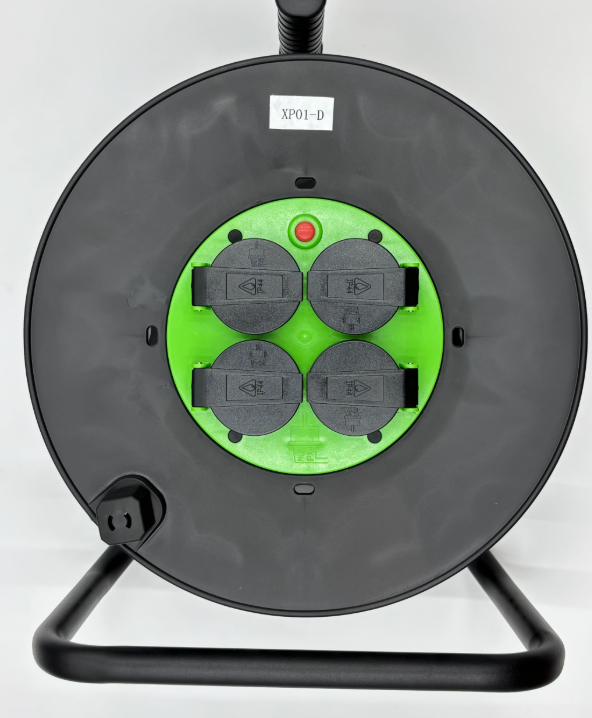
Executing a flawless exterior cabling strategy ultimately relies on sourcing infrastructure components from trusted, technologically advanced manufacturing partners. Shuangyang represents a globally recognized benchmark in industrial manufacturing and supply chain excellence, specializing in heavy-duty power extension systems, rugged cable reels, and specialized wiring infrastructure. By uniting vertically integrated production capabilities with rigorous international compliance standards including CE, GS, and RoHS, Shuangyang empowers international distributors and commercial contractors with dependable, high-performance supply chain solutions engineered specifically to conquer the harshest outdoor environments worldwide. Collaborating with an established manufacturing leader ensures consistent product quality, reliable lead times, and custom engineering support tailored to meet the demanding requirements of modern large-scale infrastructure projects across diverse global markets. Through continuous innovation, strict quality assurance protocols, and scalable production capacities, Shuangyang delivers unparalleled value and enduring reliability to partners building the next generation of global electrical and communication networks.
Table of Contents
- Maintaining Exterior Electrical Infrastructure Through Best Practices
- Combating Solar Degradation with Advanced Material Engineering
- Preventing Moisture Ingress Through Robust Sealing Methodologies
- Safeguarding Electrical Systems Against Transient Overvoltages
- Mitigating Physical and Biological Hazards in Harsh Environments
- Engineering Excellence and Global Supply Chain Strength