
 EN
EN



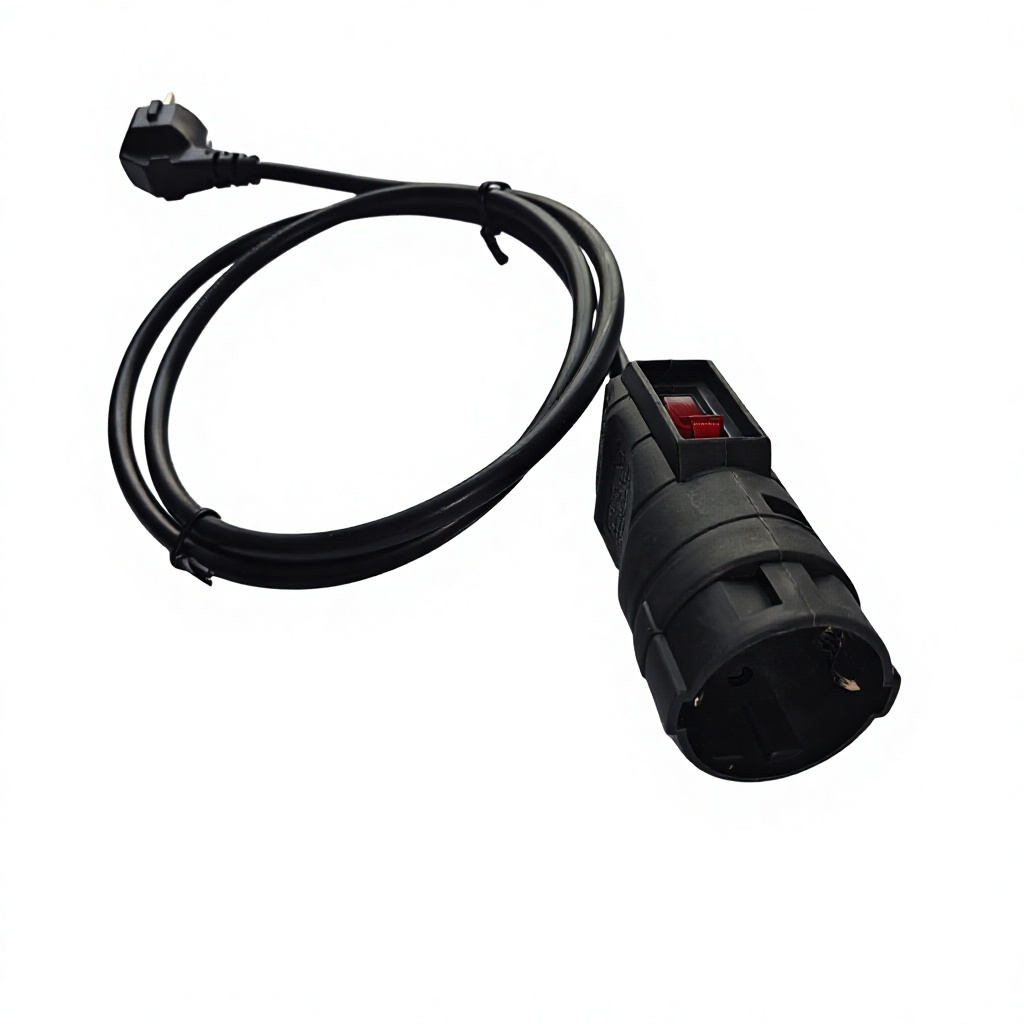
Short Delivery Time Directly Drives B2B Purchase Decisions
How rapid fulfillment influences supplier selection in electrical procurement
In electrical procurement, speed is no longer a perk—it’s a competitive differentiator. A 2024 survey of B2B buyers found that 68% rank short delivery time among the top three decision factors when evaluating suppliers. This urgency stems from the high cost of downtime: every hour a production line or facility is idle can cost thousands of dollars. Procurement teams now assess vendors not just on price or quality, but on their ability to meet tight fulfillment windows. Suppliers that offer guaranteed two-day or three-day shipping often win contracts over lower-cost competitors with slower lead times. Rapid fulfillment also signals operational reliability—robust inventory management and responsive logistics—and many electrical sourcing managers embed delivery speed metrics directly into supplier scorecards. A single late shipment can damage a vendor’s rating and trigger re-evaluation. For example, a leading industrial conglomerate recently shifted its entire circuit breaker contract to a regional distributor promising 48-hour delivery after its previous supplier repeatedly missed three-day deadlines—demonstrating how fast, consistent fulfillment has become a core pillar of long-term partnerships.
The 48‑hour trust threshold: why delayed estimates trigger immediate vendor comparison
Buyers exhibit a sharp psychological shift when delivery estimates exceed 48 hours. Research indicates that after a two-day window without a firm shipping date, 55% of procurement professionals immediately begin comparing alternatives (Ponemon 2023). This reflects intense pressure to minimize project delays: in electrical projects, a missing component can halt an entire construction site or data center commissioning. For critical items like switchgear or programmable logic controllers, the threshold is even more acute—delays cascade into multi-day setbacks. When a supplier fails to provide a definitive delivery time within 48 hours, trust erodes quickly; buyers interpret ambiguity as inventory weakness or poor service responsiveness. They then accelerate outreach to competing vendors—often finalizing orders with new providers before the original quote is even reviewed. The 48-hour window thus functions as a decisive inflection point: suppliers that respond with clear, accelerated timelines retain business, while those that hesitate lose it. To stay competitive, electrical distributors must design quotation and fulfillment workflows to deliver firm delivery estimates within this narrow window.
Electrical Projects Demand Short Delivery Time Due to Operational Urgency
Electrical projects operate under relentless time pressure. Construction schedules and facility uptime requirements leave zero margin for supply chain delays. A missing component can halt an entire build, triggering penalty clauses and cascading labor costs. Short delivery time transforms from a purchasing preference into a non-negotiable survival metric—directly tied to project profitability and operational continuity.
Construction timelines and facility maintenance SLAs that mandate sub-5-day delivery
Construction workflows are tightly sequenced. A late-arriving switchgear unit or transformer blocks subsequent trades, forcing contractors to idle crews or reschedule inspections. Many contracts now include liquidated damages for each day of delay, making a five-day delivery window the industry’s de facto trust threshold. In facility maintenance, service level agreements (SLAs) with critical infrastructure operators demand even tighter turnarounds: a failed circuit breaker in a data center, for instance, must be replaced within hours to avoid breaching uptime guarantees. Similarly, industrial plants face steep financial consequences for even one hour of unplanned downtime. Regional distributors that consistently deliver within 72 hours earn long-term loyalty, while those unable to meet the sub-5-day promise lose ground to nimbler competitors. Guaranteeing short delivery time is therefore not just a logistics checkbox—it’s a direct competitive differentiator.
Obsolescence risk: how shrinking product lifecycles (e.g., <6 months for smart components) elevate short delivery time value
The pace of innovation in electrical components is accelerating. Intelligent sensors, advanced protection relays, and IoT-enabled devices now evolve so rapidly that a product announced today may be superseded in six months. When a supplier takes weeks to deliver, buyers risk receiving outdated equipment—lacking the latest firmware, connectivity protocols, or efficiency gains. This obsolescence risk is especially acute in renewable energy and smart grid projects, where backward compatibility is rarely guaranteed. Short delivery time ensures installed equipment reflects current engineering standards, reducing costly mid-project redesigns or premature replacement. For organizations managing multi-year asset portfolios, timely delivery preserves investment value and avoids the operational headache of stocking spares for unsupported versions.
Optimizing for Short Delivery Time Across the Electrical Supply Chain
Strategic inventory placement: regional hubs vs. centralized warehouses for faster last-mile dispatch
Strategic inventory placement directly shortens delivery time for electrical products. Regional hubs position stock within 200 miles of major customer clusters, slashing last-mile transit to under 24 hours for most orders. Centralized warehouses, while cost-effective, often add two to three days to delivery windows. A 2023 survey by Logistics Management revealed that 68% of B2B electrical buyers prioritize suppliers with local distribution centers for urgent needs. Placing fast-moving items—such as wiring devices and standard panels—in regional hubs further accelerates order fulfillment. These hubs also serve as consolidation points for multiple SKUs, supported by real-time inventory visibility tools. Centralized models remain appropriate for low-volume, high-value items with predictable demand. But for electrical procurement, regional investment typically yields a 30% improvement in on-time delivery performance (IndustryWeek, 2023).
Balancing JIT efficiency with buffer stock for volatile SKUs (e.g., circuit breakers, IoT sensors)
Just-In-Time (JIT) inventory practices reduce holding costs but expose electrical supply chains to demand shocks. For volatile SKUs—like circuit breakers and IoT sensors—pure JIT often fails. A 2024 procurement benchmark from the Institute for Supply Management found that maintaining a 12–15% buffer stock on high-variability items cuts stockout incidents by over 50%. These components face erratic demand due to short product lifecycles—under six months for some smart devices. Buffer stock acts as targeted insurance without excessive waste. Leading distributors now combine demand-sensing algorithms with strategic safety stock. This hybrid approach ensures availability while preserving lean inventory discipline. For example, a regional electrical distributor reduced emergency air freight costs by 40% after introducing targeted buffers for popular breaker types—strengthening both short delivery time commitments and buyer trust.
FAQ
Why is short delivery time critical in electrical procurement?
Short delivery time helps avoid downtime costs, keeps construction schedules intact, and allows companies to stay competitive by ensuring projects progress without delay.
What is the 48-hour trust threshold in supplier selection?
It refers to the psychological shift where buyers start comparing vendors if a shipping estimate exceeds 48 hours, perceiving delays as operational unreliability.
How does short delivery protect against obsolescence risk?
It ensures equipment aligns with current engineering standards, mitigating the risk of receiving outdated products in fast-evolving industries like renewable energy.
What strategies optimize delivery speed in electrical supply chains?
Strategic inventory placement through regional hubs and maintaining buffer stocks for volatile items support faster and more reliable fulfillment.