
 EN
EN



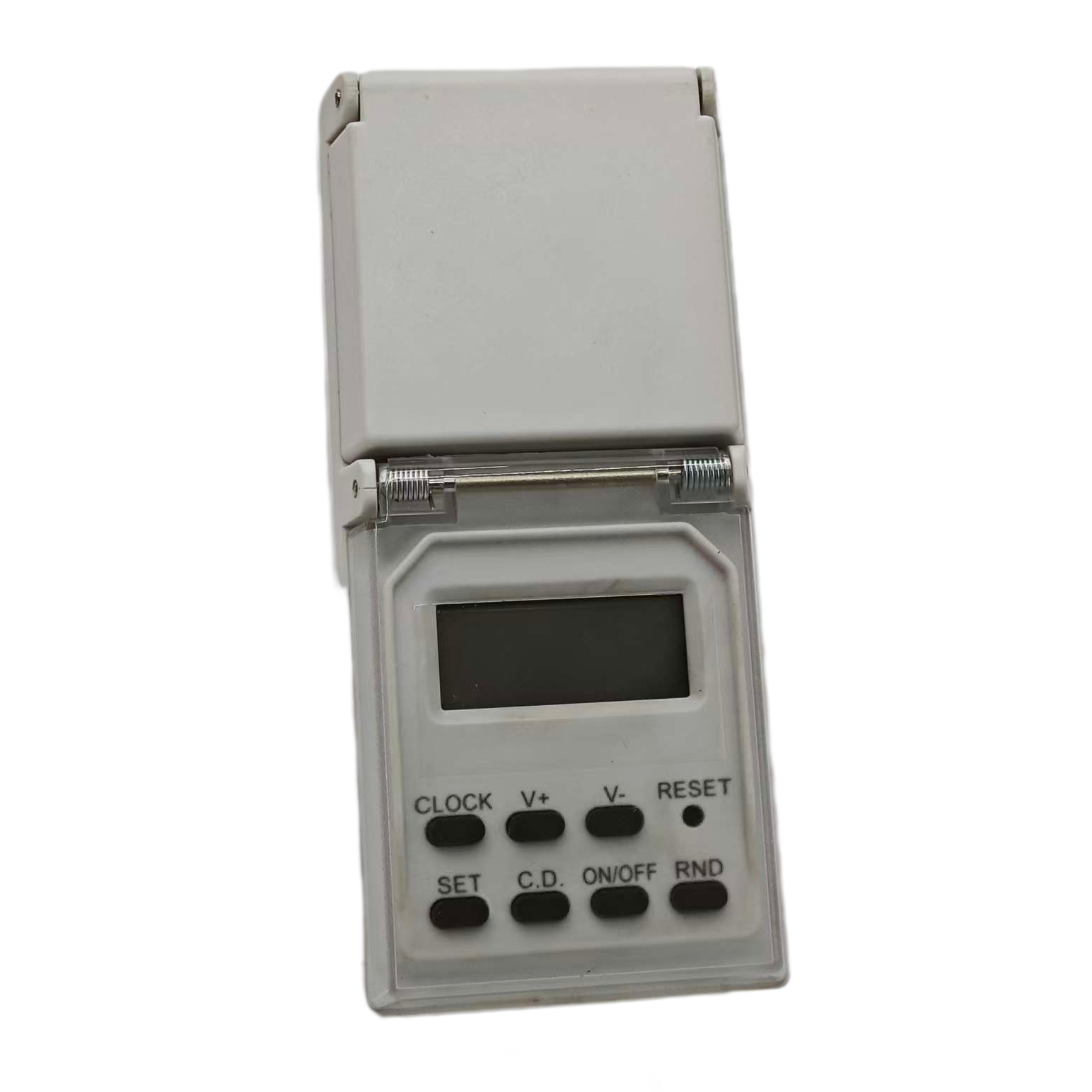
Energy Savings and Lower Utility Bills with a Weekly Timer
Using a weekly timer is one of the most accessible ways to reduce household electricity consumption without constant manual intervention. By automating power delivery to devices and systems based on a recurring 7‑day schedule, these tools eliminate wasteful energy use and translate directly into lower utility bills.
Reducing phantom load through scheduled power cutoffs
Many electronics continue to draw power even when turned off—a phenomenon known as phantom load or standby power. Research from the Lawrence Berkeley National Laboratory indicates that standby consumption can account for 5–10% of a typical home’s electricity use. Devices such as cable boxes, game consoles, coffee makers, and chargers often remain in active standby mode 24/7, silently adding avoidable costs.
A weekly timer tackles this by physically cutting power to an outlet during predetermined idle windows—for example, overnight or during working hours. The timer itself consumes only a negligible amount of energy. According to a 2023 industry analysis, power usage and associated monthly costs are minimal across common timer types:
| Timer Type | Power Usage (Watts per Hour) | Approx. Monthly Cost (USD) |
|---|---|---|
| Mechanical Timer | 0.5 – 1 | $0.10 – $0.30 |
| Digital Timer | 1 – 2 | $0.20 – $0.50 |
| Smart Plug Timer | 1 – 3 | $0.30 – $0.75 |
These figures illustrate that the added electricity cost of running a timer is far outweighed by the savings from eliminating phantom load. For instance, cutting power to a 10‑watt standby load for 12 hours daily can save over $5 per year per device (at average U.S. electricity rates), a gain that quickly multiplies in a home with multiple electronics. Implementing a scheduled cutoff not only reduces monthly bills but also lessens unnecessary strain on the electrical infrastructure, contributing to longer appliance lifespan.
Optimizing lighting, heating, and appliance usage across weekly cycles
Beyond passive drain, active household systems like lighting, space heating, and major appliances represent the largest energy expenses. The U.S. Department of Energy notes that heating and cooling alone typically account for around 40% of residential energy use. A weekly timer allows these loads to be synchronized precisely with occupancy patterns and time‑of‑use electricity rates.
With lighting, timers can switch on entryway lamps at dusk and turn off porch lights after midnight, ensuring illumination only when needed. For heating or cooling, a timer‑controlled space heater or window air conditioner can be set to run for a few hours in the morning and evening while remaining off during the day and late night, trimming consumption without sacrificing comfort. Even appliances like dishwashers or washing machines can be scheduled to operate during off‑peak periods, reducing strain on the grid and often capitalizing on lower tariff pricing. Over a week, these small adjustments compound into significant savings—often shaving 10–15% off the portion of the bill tied to schedulable loads—without requiring any change in daily habits.
Enhanced Home Security via Weekly Timer Automation
Creating realistic occupancy patterns with programmable lighting schedules
Security experts emphasize that a visibly occupied home is one of the strongest deterrents against intrusion—and a weekly timer provides the most structured way to achieve this illusion. Unlike basic 24‑hour timers that repeat the exact same cycle daily—a predictable pattern for an observant watcher—a weekly timer allows you to vary on/off schedules across different days, mimicking the irregular routines of real life. By programming living room lamps to illuminate at 7:15 PM on a Tuesday but at 6:00 PM on a Friday, you create a believable rhythm that suggests spontaneous human activity. For even greater authenticity, many digital models offer a built‑in random mode that shifts programmed events by a few minutes each day. This subtle variation makes it significantly harder to discern an automated schedule, turning your home into an unreliable and therefore unattractive target, even during extended travel.
Daily Convenience and Smarter Home Routines Powered by a Weekly Timer
Automating repetitive tasks to minimize manual intervention and decision fatigue
A weekly timer eliminates the need to remember and manually switch devices on and off, directly reducing micro-decisions that accumulate throughout the day. By programming lights, coffee makers, or fans to follow a fixed weekly schedule, the brain conserves mental energy for higher-priority tasks. Users set a single schedule for weekdays and another for weekends, then rarely touch the device again. This automation not only saves time but also prevents the “I forgot to turn off the iron” anxiety that drains focus. Once the routine is established, the timer executes actions reliably, freeing cognitive resources and making daily life feel smoother.
Choosing the Right Weekly Timer: Key Features and Compatibility Considerations
Selecting the ideal weekly timer means balancing programming flexibility, electrical compatibility, and installation convenience. The core advantage of a weekly timer is its ability to set distinct schedules for each day of the week, accommodating varying routines. When comparing models, prioritize a unit with an intuitive digital interface that allows multiple on/off cycles per day and a battery backup to retain settings during power outages. This ensures consistent operation of lights or appliances even when you are away.
Compatibility with the connected load is critical. Verify that the timer’s maximum wattage or amperage rating exceeds the total draw of your lights or devices—especially important for LED fixtures, which often require a timer rated for low‑wattage electronic drivers to avoid flickering. For larger circuits, a timer with a higher load capacity or a relay‑controlled model is advisable. Additionally, factor in the installation method: plug‑in timers offer simplicity for lamps and small appliances, while hardwired units provide a seamless, permanent solution for in‑wall switches, though they may require professional installation to meet electrical safety standards.
Smart home integration is another differentiator. Many modern weekly timers offer Wi‑Fi connectivity, enabling remote control via smartphone apps and voice assistants. This lets you adjust schedules on the go or monitor energy use. If you plan to use outdoor timers, look for astronomical or GPS‑based features that auto‑adjust for sunrise and sunset, eliminating seasonal manual changes. By carefully evaluating these features, you can choose a weekly timer that not only saves energy but also fits seamlessly into your daily routine.
FAQ Section
What is a weekly timer and how does it save energy?
A weekly timer is a device that automates power delivery to household electronics and systems based on a recurring 7-day schedule. It saves energy by eliminating standby power (phantom load) and optimizing usage patterns for devices such as lights, heaters, and appliances.
Can using weekly timers reduce my electricity bill?
Yes, weekly timers help cut down on unnecessary energy usage and phantom loads from electronics. This reduction in consumption can lower utility bills by 10-15%, depending on usage patterns and device types.
How do weekly timers improve home security?
Weekly timers help deter intrusions by simulating realistic occupancy patterns using programmable lighting schedules. Unlike basic timers, they allow for varied on/off routines across different days, which create the illusion of human activity.
Are weekly timers compatible with all types of electronic devices?
Most weekly timers work with a variety of household electronics. However, compatibility depends on the device’s wattage or amperage draw. For low-wattage devices like LEDs, ensure you choose a timer rated for electronic drivers to prevent issues like flickering.
What features should I look for in a weekly timer?
Look for features like multiple on/off cycles per day, battery backup, smart home integration (Wi-Fi connectivity), and compatibility with the desired load. For outdoor use, consider astronomical timers that adjust schedules based on sunrise and sunset.