
 EN
EN



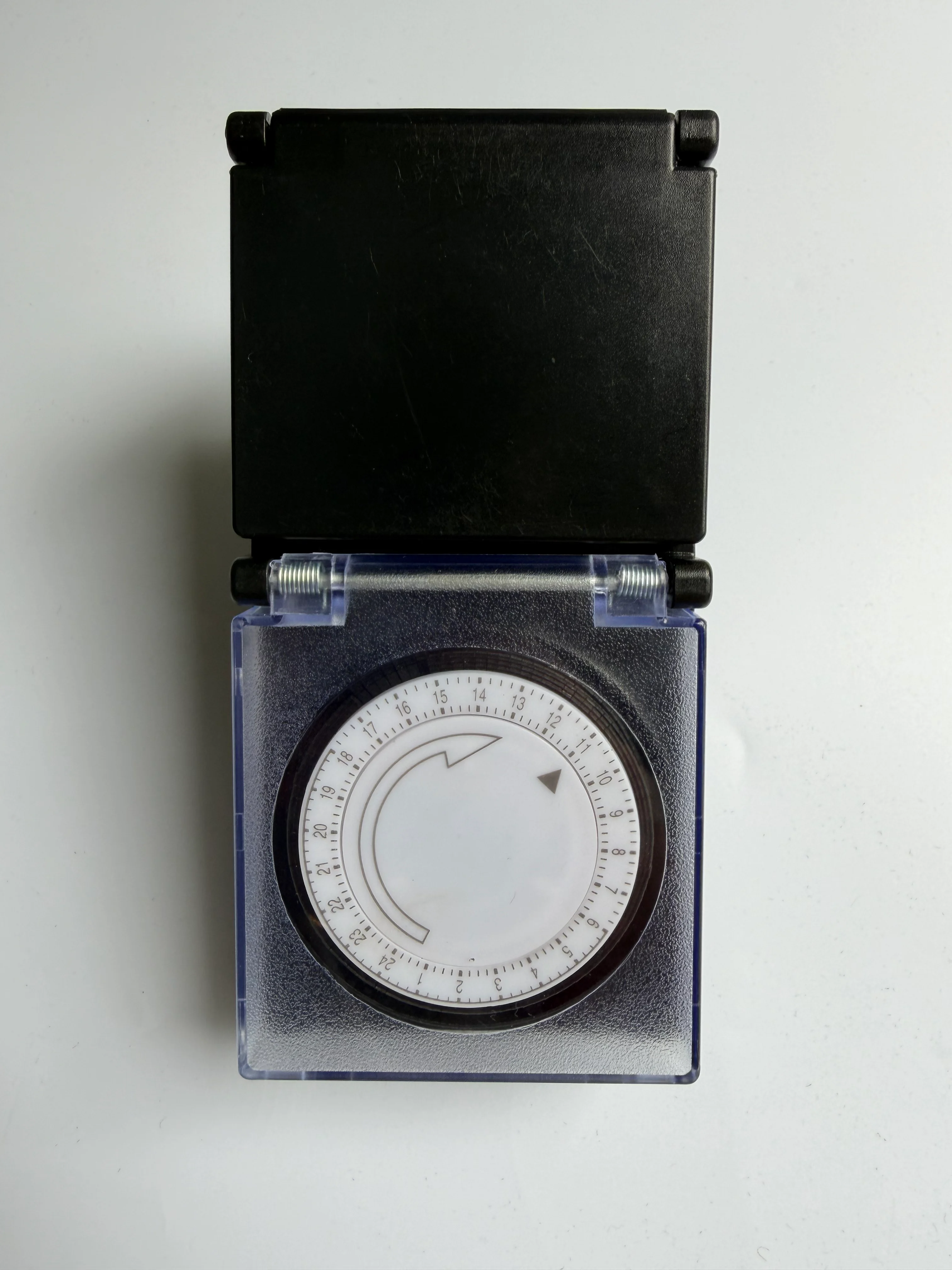
Understanding the Foundational Principles of Power Ratings for Mini Timer Selection
When managing household appliances or industrial equipment, selecting the correct electrical accessories is crucial for overall safety and operational efficiency. Many homeowners and facility managers often overlook technical specifications when installing automated controls, leading to tripped circuits, overheating hazards, or overloaded sockets. Drawing from extensive practical experience in electrical accessory manufacturing and power distribution testing, understanding electrical load specifications ensures long-term operational safety for every circuit. A dependable mini timer must match both the physical space constraints of your distribution board or wall outlet and the exact electrical current demands of connected appliances. Professional engineering assessments consistently emphasize that ignoring voltage and amperage limits during device selection compromises the entire circuit framework. By analyzing actual operational demands and consulting standardized technical documentation, users can avoid common pitfalls associated with improper device ratings, ensuring that every mini timer operates safely within established thermal and electrical parameters while optimizing power consumption across residential and commercial setups. Selecting the right mini timer requires careful attention to detail, ensuring that both continuous and peak electrical demands are fully accommodated by the internal relay structure without risking premature thermal degradation or component failure.
Analyzing Continuous Versus Surge Electrical Load Capacities
Evaluating electrical load capacity requires a thorough analysis of continuous versus surge power requirements for every connected device in your electrical network. Motor-driven appliances such as washing machines, refrigerators, air conditioners, and heavy-duty fans demand a much higher starting current compared to their stable running state. When integrating a high-performance mini timer into your setup, you must verify that its rated amperage and wattage exceed the peak startup draw of your equipment to prevent catastrophic failure. Industry safety standards and manufacturer guidelines from established electrical providers recommend maintaining a safety margin of at least twenty percent above nominal operating loads. This careful calculation prevents internal component degradation and premature hardware wear over years of automated switching cycles. Field testing data across various residential and commercial installations demonstrates that respecting these electrical thresholds significantly extends the operational lifespan of both the mini timer unit and the attached machinery, safeguarding your entire electrical infrastructure against unexpected overloads. Furthermore, understanding the distinct characteristics of inductive versus resistive loads ensures that your mini timer can handle sudden inrush currents without experiencing internal contact welding or electrical arcing during daily operation, making every deployed mini timer exceptionally reliable.
Navigating Physical Installation Environments and Outlet Compatibility
Physical installation environments and socket compatibility dictate the practical usability of your automated control device in daily operational scenarios. Modern residential, commercial, and office spaces often feature compact wall plates or crowded power strips where standard mechanical timers simply cannot fit without obstruction. A compact mini timer offers a streamlined footprint, allowing users to plug it directly into standard wall sockets without blocking adjacent outlets, switches, or surge protectors. Furthermore, evaluating whether your application requires a digital display or a simple mechanical dial depends heavily on your programming precision needs. Digital mini timer variants provide exact minute-by-minute scheduling flexibility for complex automation routines, whereas analog options offer straightforward tactile operation for routine daily cycles. Practical deployment insights suggest matching the interface complexity directly to the technical familiarity of the end user to ensure seamless daily management without configuration errors across every installed mini timer. Evaluating the physical orientation of wall sockets and potential clearance limitations before purchasing your mini timer will eliminate frustrating installation roadblocks and guarantee a clean, professional finish.
Ensuring Material Durability and Environmental Compliance Standards
Environmental factors and housing material durability play a vital role in determining the long-term reliability of power control hardware in diverse operating environments. Electrical accessories installed in garages, workshops, or semi-outdoor locations face fluctuating temperature conditions and potential moisture exposure that standard plastics simply cannot withstand. High-quality manufacturing standards utilize flame-retardant polycarbonate enclosures and robust copper internal contacts to ensure optimal electrical conductivity and resistance to thermal stress. Industry benchmarks and safety certifications confirm that certified mini timer housing materials effectively prevent electrical arcing and short-circuit hazards during intensive daily usage. When reviewing technical specifications from trusted manufacturers like Shuangyang Electrics, always verify compliance with international safety norms and grounding requirements. Ensuring proper material integrity safeguards your property and maintains consistent performance for every deployed mini timer across challenging operational settings. Investing in certified housing materials protects your electrical system from environmental degradation and ensures reliable switching performance over years of continuous service for your chosen mini timer.
Implementing Systematic Verification Protocols Before Final Deployment
Establishing a systematic verification protocol before final installation guarantees optimal performance and prevents costly electrical maintenance issues down the road. Before deploying your new mini timer, double-check all voltage ratings, maximum load capacities, and grounding configurations against your local power grid standards and manufacturer datasheets. If you encounter complex multi-device setups or high-wattage heating appliances, consulting a licensed electrician or reviewing comprehensive technical documentation is always recommended. Practical implementation experience proves that taking time to verify these technical parameters beforehand eliminates guesswork and enhances overall energy management efficiency. By combining careful electrical load calculation with reliable hardware selection, you achieve a safe, automated power distribution system tailored precisely to your specific requirements through a dependable mini timer setup. Ultimately, meticulous planning and rigorous pre-installation checks ensure that your mini timer delivers flawless automated control while maintaining the highest possible standards of electrical safety and operational reliability across all connected devices.
Table of Contents
- Understanding the Foundational Principles of Power Ratings for Mini Timer Selection
- Analyzing Continuous Versus Surge Electrical Load Capacities
- Navigating Physical Installation Environments and Outlet Compatibility
- Ensuring Material Durability and Environmental Compliance Standards
- Implementing Systematic Verification Protocols Before Final Deployment