
 EN
EN



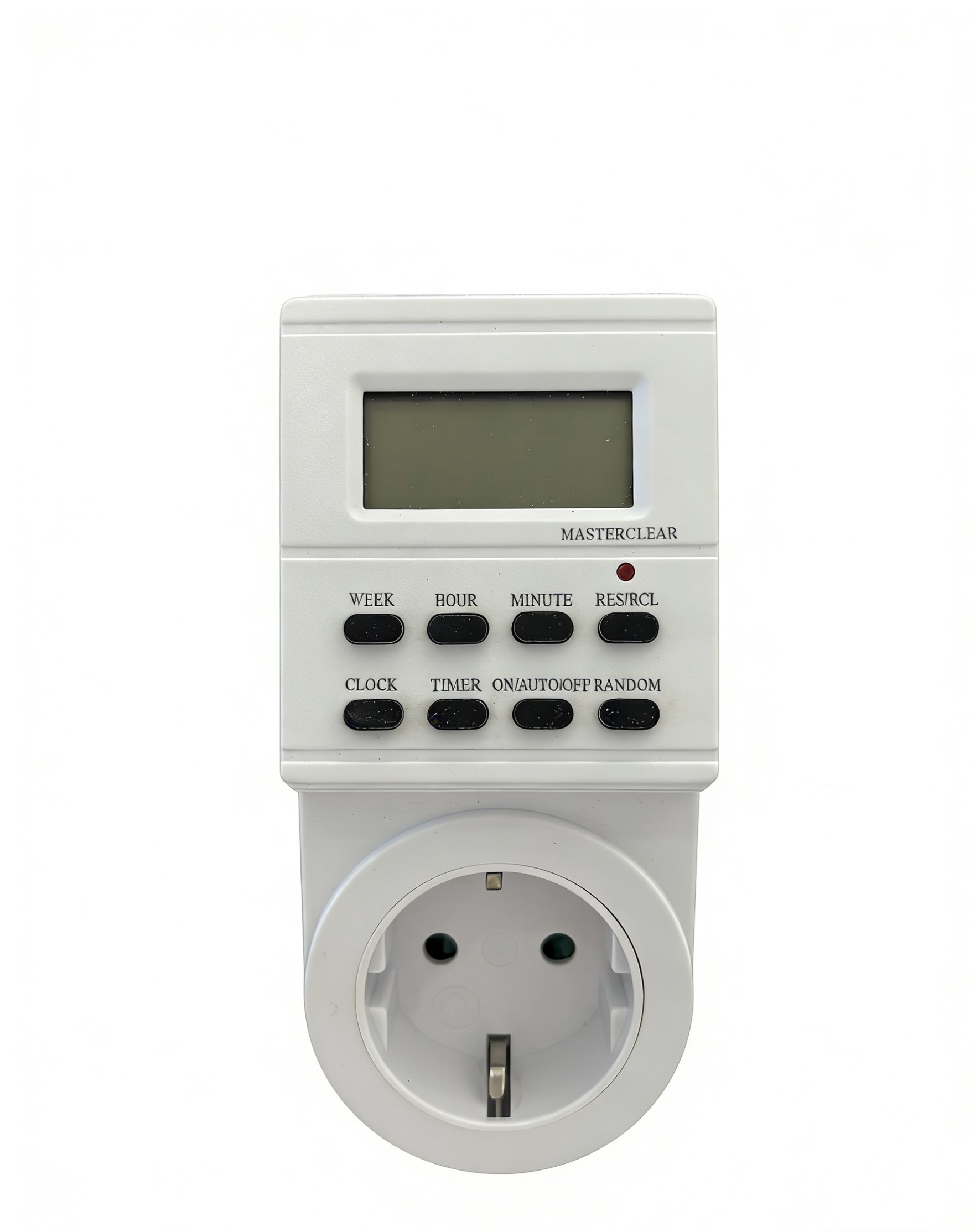
Bridging Domestic Convenience and Industrial Automation
When you look at how electrical scheduling has evolved over the years, it is pretty wild to see how far we have come from clunky mechanical dials that used to buzz in the garage. Today, whether you are trying to automate outdoor lighting at home or keeping heavy manufacturing sequences running smoothly on a tight production floor, picking out the right weekly timer makes all the difference in daily efficiency. From a practical engineering standpoint, a timing device is only as dependable as its internal switching relay and how easy it is to program without needing an advanced degree in industrial automation. Homeowners typically want straightforward control for water heaters and pumps, while facility managers need industrial-grade resilience that can handle continuous electrical loads without skipping a beat. Balancing these everyday usability factors with heavy-duty reliability is where the real selection journey starts, setting the stage for smoother operations across both residential and commercial spaces.
Understanding Core Distinctions Between Residential and Industrial Timing Units
People often assume that any random timer will do the job, but there is a massive performance gap between residential units and industrial powerhouses. Standard home timers are usually sleek plug-in gadgets or wall switches built to handle modest loads like lamps and coffee makers, focusing heavily on clean aesthetics and simple smartphone or button setups. Industrial environments, however, throw entirely different challenges your way. When you are dealing with heavy inductive loads, electrical noise from nearby machinery, and fluctuating workshop temperatures, light-duty hardware simply will not cut it. This is where specialized DIN rail timers shine inside electrical control panels. According to industry guidelines from electrical engineering bodies, maintaining strong electromagnetic compatibility and rock-solid crystal oscillator accuracy is non-negotiable if you want to avoid frustrating timing drift that can throw off an entire automated assembly line.
Key Technical Specifications to Evaluate Before Purchasing
Diving into the actual selection process means keeping a close eye on a few critical technical specs before making a purchasing decision. First off, always double-check the voltage ratings and switching capacity, especially the amperage. Inductive loads like electric motors create serious current spikes when they kick on, demanding much higher surge tolerances than standard resistive lighting loads found in ordinary rooms. Next up is the programming flexibility. Modern digital weekly timers give you minute-by-minute control across full weekly cycles, letting you program intricate routines tailored to exact operational hours. It is also smart to look for models featuring built-in lithium battery reserves so your programmed schedules do not get wiped out the second a brief power outage hits. Finally, modular layouts built for standard DIN rail mounting ensure that installation inside distribution boards stays clean, fast, and completely hassle-free.
Real-World Application Scenarios and Field Insights
In real-world field applications, the true value of a well-chosen weekly timer becomes crystal clear very quickly. Commercial office buildings rely heavily on programmable units to tie HVAC schedules and security lighting together, cutting phantom energy waste down significantly and supporting broader corporate energy efficiency goals. Over on the industrial side, automated weekly scheduling takes care of heavy exhaust ventilation, chemical dosing cycles, and conveyor lubrication without requiring someone to manually flip switches every single day. Maintenance technicians frequently point out that having reliable manual override features right on the timer faceplate is an absolute lifesaver during routine factory checks, giving teams the flexibility to test equipment manually without disrupting the core automated schedule when normal operations resume.
Manufacturing Excellence and Supply Chain Reliability
At the end of the day, picking the right timing solution goes beyond just matching technical data sheets—it comes down to manufacturing quality and supply chain reliability. For global distributors and contractors looking for dependable electrical components, partnering with established manufacturers like Shuangyang brings serious peace of mind. Equipped with advanced automated production lines, precise injection molding, and strict adherence to international safety certifications including CE, GS, and RoHS, Shuangyang delivers high-performance timers built to stand the test of time. Their continuous focus on rigorous quality control and flexible OEM and ODM supply chain support ensures that partners worldwide get robust, cutting-edge electrical hardware perfectly aligned with their specific project demands.
Future Outlook and Long-Term Value in Electrical Automation
Looking ahead, the demand for smart, reliable timing technology will only continue to accelerate as smart homes and smart factories become the standard expectation. Investing time upfront in understanding your exact load requirements, switching needs, and installation constraints will save countless hours of troubleshooting down the road. Whether upgrading a commercial facility's lighting grid or expanding a residential product line for retail distribution, choosing the right partner makes all the difference. With proven manufacturing expertise, comprehensive quality testing, and a dedication to engineering excellence, Shuangyang remains a trusted industry leader ready to support your next wave of electrical automation projects.
Maximizing Operational Stability Through Smart Hardware Selection
Choosing the ideal timing hardware is ultimately an investment in long-term operational stability and energy conservation. By keeping a sharp focus on build quality, switching capacity, and ease of programming, professionals and homeowners alike can avoid costly downtime and inefficient power usage. As manufacturing techniques continue to advance, top-tier suppliers keep pushing the boundaries of what these compact devices can achieve in terms of durability and smart integration. Working with experienced manufacturing partners guarantees access to reliable components that perform consistently under pressure, ensuring every installation runs smoothly year after year.
Table of Contents
- Bridging Domestic Convenience and Industrial Automation
- Understanding Core Distinctions Between Residential and Industrial Timing Units
- Key Technical Specifications to Evaluate Before Purchasing
- Real-World Application Scenarios and Field Insights
- Manufacturing Excellence and Supply Chain Reliability
- Future Outlook and Long-Term Value in Electrical Automation
- Maximizing Operational Stability Through Smart Hardware Selection