
 EN
EN



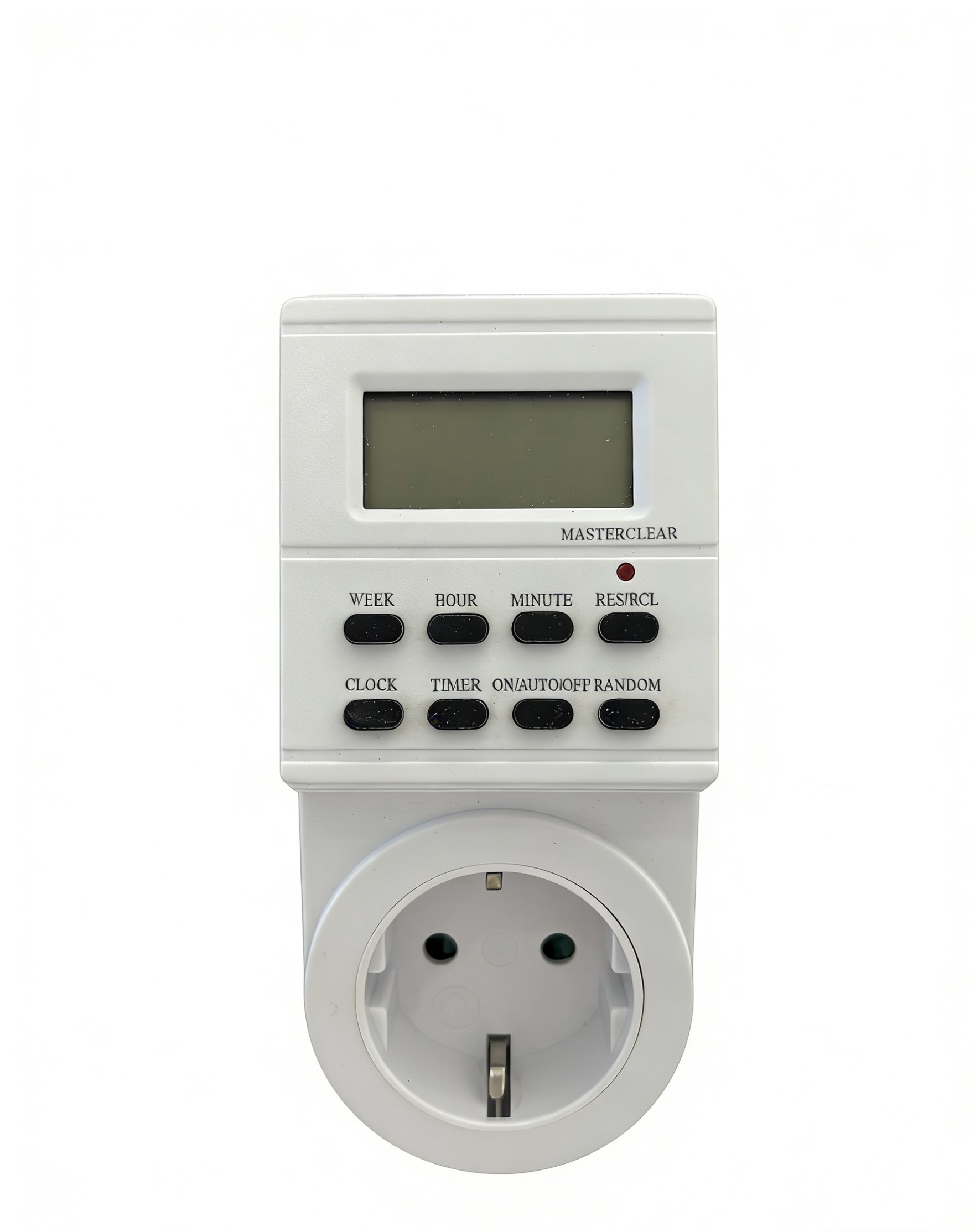
Съчетаване на домашното удобство и индустриалната автоматизация
Когато погледнете как еволюирали електрическите програматори през годините, наистина е впечатляващо да видите колко далеч сме стигнали от неудобните механични циферблати, които някога звъняха в гаража. Днес, дали се опитвате да автоматизирате уличното осветление у дома или поддържате гладко протичането на тежки производствени процеси на стеснена производствена площ, изборът на подходящ седмичен програматор има решаващо значение за ежедневната ефективност. От практическа инженерна гледна точка, устройството за времево управление е толкова надеждно, колкото е неговият вътрешен превключващ релей и колко лесно може да се програмира, без да се изисква напредналата степен по индустриална автоматизация. Владелците на жилища обикновено искат прост контрол върху електрическите бойлери и помпи, докато мениджърите на сгради имат нужда от индустриална устойчивост, която може да издържи непрекъснати електрически натоварвания, без да пропусне нито един цикъл. Балансирането на тези фактори за ежедневна използваемост с издръжливост за тежки условия е мястото, където започва истинският процес на избор и се подготвя почвата за по-гладко функциониране както в жилищни, така и в търговски помещения.
Разбиране на основните различия между домашните и индустриалните времеви единици
Хората често предполагат, че всеки случайно избран таймер ще свърши работата, но има огромна разлика в производителността между битовите устройства и индустриалните мощни машини. Стандартните домашни таймери обикновено са елегантни уреди за включване в контакти или стенни ключове, проектирани да издържат скромни натоварвания като лампи и кафемашини, като основният акцент е върху чистия външен вид и простотата на управлението чрез смартфон или бутони. Индустриалните среди обаче поставят напълно различни предизвикателства пред вас. Когато работите с тежки индуктивни натоварвания, електрически шум от съседни машини и променящи се температури в работилницата, оборудването за леки натоварвания просто не е достатъчно. Тук именно специализираните DIN-рейл таймери блестят в електрическите контролни панели. Според отрасловите насоки на инженерните електротехнически организации поддържането на силна електромагнитна съвместимост и изключително точност на кварцовия осцилатор е задължително, ако искате да избегнете досадното отклонение във времето, което може да наруши цялата автоматизирана производствена линия.
Основни технически характеристики за оценка преди покупка
Задълбочаването в действителния процес на избор означава внимателно следене на няколко ключови технически спецификации преди вземане на решение за покупка. Първо, винаги проверявайте повторно номиналното напрежение и превключвателната мощност, особено ампеража. Индуктивните натоварвания като електрическите двигатели създават сериозни върхове на ток при стартиране, което изисква значително по-високи толерантности към импулсни токове в сравнение с обичайните резистивни осветителни натоварвания, срещани в обикновени помещения. Следващият важен аспект е гъвкавостта при програмиране. Съвременните цифрови седмични таймери осигуряват контрол по минути през целия седмичен цикъл, позволявайки ви да програмирате сложни режими, адаптирани точно към операционните часове. Разумно е също така да търсите модели с вградени резервни литиеви батерии, за да не се изтрият вашите програмирани разписания при краткотрайно прекъсване на електрозахранването. Накрая, модулните конструкции, проектирани за монтиране върху стандартна DIN-рейка, гарантират чиста, бърза и напълно безпроблемна инсталация в разпределителните табла.
Реални сценарии за приложение и практически наблюдения
В реални практически приложения истинската стойност на добре избран седмичен таймер става изключително ясна много бързо. Търговските офис сгради разчитат значително на програмируеми устройства, за да синхронизират графиките за отопление, вентилация и климатизация (HVAC) и осветлението за сигурност, което значително намалява скритото енергийно отнемане и подпомага по-широките корпоративни цели за енергийна ефективност. От индустриална гледна точка автоматизираното седмично планиране управлява мощната вентилация за отвеждане на въздух, циклите за дозиране на химикали и смазването на транспортните ленти, без да се налага някой да превключва ръчно ключовете всеки ден. Техниците по поддръжка често подчертават, че наличието на надеждни ръчни функции за прекъсване, разположени направо на предния панел на таймера, е истинско спасение по време на рутинните фабрични проверки, като предоставя на екипите гъвкавостта да тестват оборудването ръчно, без да нарушават основния автоматизиран график при възобновяване на нормалната експлоатация.
Производствено съвършенство и надеждност на веригата за доставки
В края на краищата изборът на подходящо време-решение излиза отвъд простото съпоставяне на техническите спецификации — той зависи от качеството на производството и надеждността на веригата за доставки. За глобални дистрибутори и изпълнители, които търсят сигурни електрически компоненти, сътрудничеството с установени производители като Shuangyang осигурява истинско спокойствие. Оборудвана с напреднали автоматизирани производствени линии, прецизно инжекционно формоване и стриктно спазване на международните сертификати за безопасност, включително CE, GS и RoHS, Shuangyang предлага високопроизводителни таймери, проектирани да издържат изпитанието на времето. Непрекъснатият й фокус върху строг контрол на качеството и гъвкава поддръжка на веригата за доставки за OEM и ODM гарантира, че партньорите по целия свят получават здрави и иновативни електрически устройства, идеално адаптирани към специфичните им проектни изисквания.
Бъдеща перспектива и дългосрочна стойност в електрическата автоматизация
Напред към бъдещето, търсенето на умни и надеждни технологии за времево управление ще продължи да се ускорява все повече, докато умните домове и умните фабрики станат стандартно очакване. Инвестирането на време в началото за разбиране на точните ви изисквания към натоварването, нуждите от превключване и ограниченията при инсталиране ще спести безброй часове за диагностика по-късно. Независимо дали модернизирате осветителната мрежа на търговски обект или разширявате линията си от продукти за жилищни потребители за разпространение чрез търговски канали, изборът на правилния партньор има решаващо значение. С доказан опит в производството, комплексно тестване на качеството и ангажимент към инженерно съвършенство, Shuangyang продължава да бъде доверен лидер в отрасъла, готов да подкрепи следващата ви вълна проекти в областта на електрическата автоматизация.
Максимизиране на експлоатационната стабилност чрез умен подбор на хардуер
Изборът на идеалното оборудване за тайминг в крайна сметка е инвестиция в дългосрочната оперативна стабилност и енергоспестяване. Като се насочи вниманието върху качеството на изработката, превключвателната мощност и лесотата на програмиране, както професионалистите, така и собствениците на жилища могат да избягнат скъпостоящия простои и неефективното използване на енергия. С напредъка на производствените технологии водещите доставчици постоянно разширяват възможностите на тези компактни устройства по отношение на издръжливост и интелигентна интеграция. Сътрудничеството с опитни производствени партньори гарантира достъп до надеждни компоненти, които работят последователно под натиск, осигурявайки гладко функциониране на всяка инсталация година след година.
Съдържание
- Съчетаване на домашното удобство и индустриалната автоматизация
- Разбиране на основните различия между домашните и индустриалните времеви единици
- Основни технически характеристики за оценка преди покупка
- Реални сценарии за приложение и практически наблюдения
- Производствено съвършенство и надеждност на веригата за доставки
- Бъдеща перспектива и дългосрочна стойност в електрическата автоматизация
- Максимизиране на експлоатационната стабилност чрез умен подбор на хардуер