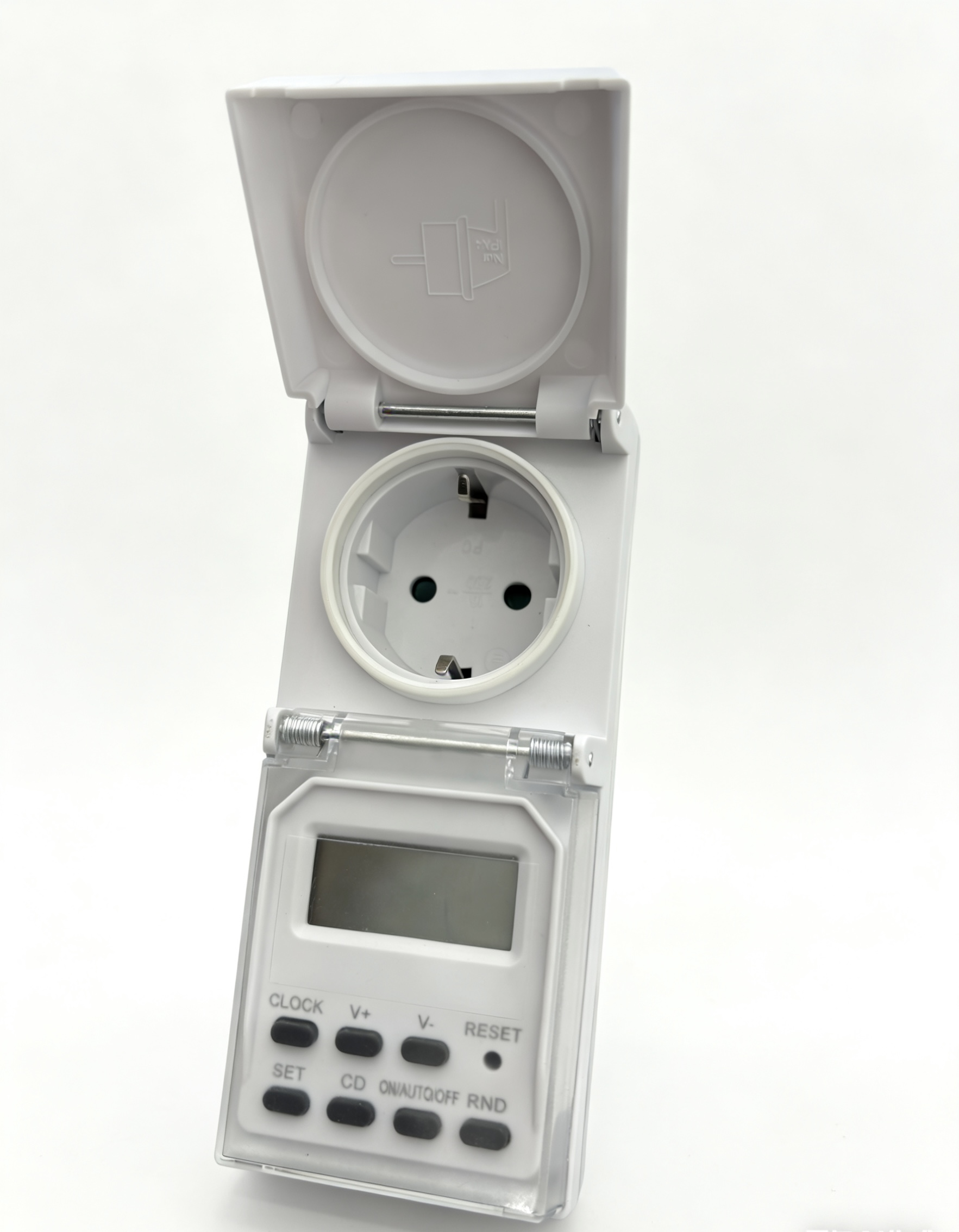
Развиващите се изисквания към микрото автоматизиране на открито
Настройването на електрически контролни устройства за малки улични уреди – като помпи за градински фонтани, декоративни ландшафтни светлини, терасови нагреватели или аератори за хидропоника – изглежда просто на теория, но прилагането му в реални условия е напълно различна история компактните таймери, широко известни като улични мини-таймери, са еволюирали от основни включващи се в контакти аксесоари в незаменими компоненти, които защитават електрическото оборудване и поддържат електроенергийните разходи под контрол изборът на подходящ уличен мини-таймер не се свежда само до избиране на устройство, което включва и изключва по определен график той изисква внимателно проучване на реалното въздействие на околната среда, сложните товари, задвижвани от електродвигатели, и компактните, водонепроницаеми корпуси когато системите за автоматизация на открито излизат от строя преждевременно, това почти винаги се дължи на пренебрегване на ключови технически фактори по време на оценката на продукта чрез разбиране на критериите за избор на мини таймери инженерите, строителните предприемачи и менажерите по набавяне на марки могат да избягнат преждевременната неизправност на устройството, късо съединения и досадните проблеми със спускането на GFCI. .
Устойчивост към външни фактори: оценка на степента на защита от проникване (IP65 срещу IP67) и термичните граници.
Водата и прахта са постоянни заплахи на открито, което прави защитата на корпуса абсолютно първостепенен фактор при всеки процес на избор. стандартните вътрешни таймери обикновено имат класификация IP20, която не осигурява никаква защита срещу дъжд, пръскане или утринна кондензация. за външни инсталации е жизненоважно да се провери класификацията IP65 или IP67 според стандарта IEC 60529. таймер с класификация IP65/IP67 осигурява надеждна защита срещу проникване на прах, но нивата на защита срещу течности се различават по значим начин. таймер с класификация IP65 лесно издържа на струи вода под ниско налягане от маркучови насадки и силни порои, което го прави отличен избор за високо разположени градински контакти или парапетни терасни инсталации. от друга страна, класификацията IP67 позволява временна потапяне на дълбочина до един метър, което е от съществено значение за кутии, разположени на нивото на земята, или за ниско разположени градински лехи, където естествено се образуват локви от дъждовна вода полевите техници също знаят, че температурните колебания предизвикват разширение и свиване на въздуха в евтините пластмасови корпуси, което всмуква влага точно през микроскопичните шевове висококачествените таймери решават този проблем чрез използване на поликарбонати, стабилизирани срещу ултравиолетови лъчи, и гъвкави силиконови уплътнения, които остават плътно затворени при температури от минус двадесет и пет до плюс петдесет и пет градуса по Целзий .
Електрическа съвместимост: Навигация в условията на индуктивни натоварвания и динамиката на пусковия ток
Един от най-честите причини за преждевременно повреждане на външни таймери е недоразумение относно поведението на електрическото натоварване докато простите резистивни натоварвания, като традиционните нагревателни елементи, потребяват постоянен ток, външните апарати с двигател — като аератори за езера, помпи за фонтани и източни вентилатори — действат като индуктивни натоварвания когато таймер с индуктивна натовареност активира стартирането на двигател, това предизвиква мигновен връх в електрическия ток, наречен пусков ток, който често достига шест до осем пъти нормалния работен ток на двигателя. например малък воден помпа с мощност двеста вата, която обикновено консумира по-малко от два ампера, може кратко време да изтегли десет до петнадесет ампера точно при стартиране. стандартните контакти на реле, предназначени за проста резистивна осветителна уредба, не могат да издържат тези повтарящи се електрически дъги. с течение на времето контактите се износват, образуват се ямички по тях или напълно се заваряват, което оставя помпата да работи непрекъснато. изборът на таймер с реле, сертифицирани за телевизионно (TV) използване, или с тежки контакти от AgSnO2 (сребърно-кафеников оксид) гарантира, че вътрешният превключвател може да поема тежки пускови върхове в продължение на десетки хиляди цикли, без да се заклини или изгори. .
Точност на управлението и интеграция в интелигентни системи
Във вътрешността на съвременните мини-таймери механизмът за управление определя както ежедневната удобствота на използване, така и икономията на енергия. изборът между класическите механични таймери с пинове, цифровите микроконтролери и безжичните модули зависи от степента на контрол, който приложението изисква. механичните модели с пинове и 15-минутни бутони продължават да са популярни, защото са практически несгрешими при настройка и експлоатация на полето. все пак много от текущите проекти изискват умен външен таймер с Wi-Fi, Bluetooth или Zigbee връзка. умните таймери се синхронизират автоматично с астрономически часови данни и коригират ежедневните графици според променящите се през годината времена на изгрев и залез — революционно решение за декоративно осветление и системи за сигурност. облачната връзка освен това предоставя на потребителите реалновременно проследяване на енергопотреблението, незабавни известия за грешки и управление чрез глас. при избор на умен мини-таймер е важно да се провери дали устройството разполага с чипове за нелетлива памет, за да не се загубят запазените графици при внезапни прекъсвания на захранването, както и надеждна резервна батерия за поддържане на вътрешния часовник. .
Сертификати за безопасност, цялостност на конструкцията и дългосрочна надеждност
Експлоатацията на електрически устройства на открито означава, че стандартите за безопасност не могат да бъдат компрометирани . Изчерпателните рамки за избор поставят акцент върху съответствието с признати международни стандарти за безопасност, като UL 917, IEC 60730, VDE и изискванията за знака GS . Независимото лабораторно тестване потвърждава, че вътрешното електрическо разстояние, разстоянията за пълзене и материалите за корпус отговарят на строгите насоки за неподпалваемост, като UL94 V-0 . Освен това, тъй като малките улични електроуреди обикновено се включват към изходи с прериватели на токови течове (GFCI), електрическата изолация между вътрешната електроника на таймера и електрическата мрежа трябва да е безупречна . Некачествено изработените таймери могат да пропускат микротокове, които постоянно задействат преривателите GFCI и предизвикват неочаквани простои . Малки проектирани детайли – като изходи с капаци с пружинно задвижване, тежки формовани кабели с предпазна защита срещу напрежение и вградена предпазна предпазителна защита – са ясни индикатори, че таймерът е конструиран за години непрекъсната експлоатация на открито .
Стратегически производствени възможности и глобални услуги за доставка
Изборът на най-добрия мини таймер за външни малки електроуреди зависи от постигането на баланс между защита срещу атмосферни влияния, управление на индуктивни натоварвания, гъвкаво планиране и проверени сертификати за безопасност използването на евтини, неподложени на сертифициране таймери често води до преждевременно повреждане, увреждане от вода или електрически опасности осигуряването на дълготрайна надеждност в сурови условия изисква задълбочени инженерни познания, прецизно оборудване и строг контрол на качеството на производствената площадка водещи производители като Shuangyang Electrics определят стандарта в тази област подкрепени от специализирани R&D центрове, автоматизирани SMT сглобявщи линии и строга ISO9001 система за управление на качеството, Shuangyang Electrics произвежда висококачествени външни таймери, интелигентни контролери на електрозахранването и корпуси с IP класификация с обширния си опит в областта на OEM и ODM, както и с основните глобални сертификати за безопасност (GS, CE, UL, VDE), „Шуанян Електрикс“ предлага мащабируемо производство и надеждни решения за верига от доставчици за международни марки, търсещи високопроизводителна автоматизация на външни електрозадвижващи системи.

 EN
EN