
 EN
EN



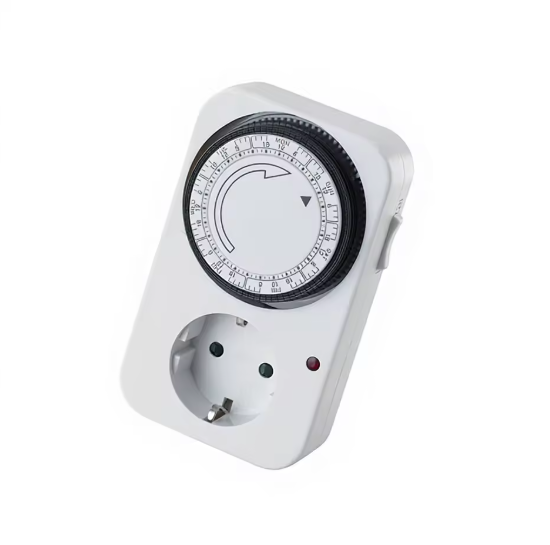
لماذا تُعد المؤقتات ضروريةً لتحقيق أقصى كفاءة في استهلاك الطاقة في المنشآت التجارية
تواجه الشركات هذه الأيام ضغطًا كبيرًا حقًّا لخفض فواتير الكهرباء الخاصة بها وكذلك بصمتها الكربونية. فحتى إجراء بسيط مثل تركيب مؤقِّتات كهربائية يمكن أن يوفِّر مبلغًا لا بأس به من المال، لأن هذه المؤقِّتات تُنظِّم استهلاك الطاقة الكهربائية بدقة وفقًا للوقت الذي يكون فيه الاستخدام ضروريًّا فعليًّا. فكِّر في مثلاً الإضاءة التي تبقى مشتعلة طوال الليل في المكاتب الخالية، أو أنظمة التدفئة التي تعمل بكامل طاقتها خلال عطلات نهاية الأسبوع عندما لا يكون هناك أحدٌ في المبنى. وتؤكد وزارة الطاقة الأمريكية أن هذا النوع من المواقف يُرجَّح أن يشكِّل ما بين ٢٠٪ و٣٠٪ من إجمالي الكهرباء المهدرة في المباني التجارية. وتُعالِج أنظمة المؤقِّتات هذه المشكلة من خلال ضمان تشغيل المعدات فقط وفق جداول زمنية مُحدَّدة تتماشى مع العمليات التشغيلية الفعلية للشركة، بدلًا من تشغيلها باستمرار دون انقطاع.
يؤدي ضبط معدات البرمجة بشكلٍ صحيح إلى منع استنزاف الطاقة عندما تبقى الآلات غير مستخدمة، مع الحفاظ على جاهزيتها للعمل في أي لحظة. ويؤدي ذلك إلى خفض الكمية الأساسية من الكهرباء المستهلكة طوال اليوم، مما يوفّر المال المُنفق على رسوم الطلب المرتفعة التي قد تمثل أكثر من ثلث ما تنفقه الشركات الكبرى على فواتيرها الكهربائية. كما تساعد أنظمة المؤقِّتات المؤسساتَ على تحقيق أهدافها البيئية من خلال الحد من انبعاثات الكربون الناتجة عن الهدر غير الضروري للطاقة. وقد بدأت مصانع التصنيع والمستودعات في جميع أنحاء البلاد بالفعل في تحقيق نتائج ملموسة من هذه التعديلات البسيطة، ما يجعل المؤقِّتات الذكية ليست مجرد بندٍ نفقيٍّ، بل جزءًا أساسيًّا من دمج ممارسات إدارة الطاقة الذكية في العمليات اليومية.
النشر الاستراتيجي للمؤقِّتات عبر أنظمة الإضاءة وأنظمة التدفئة والتكييف والتبريد
يُحوِّل تنفيذ مؤقِّت الدقة عمليات الإضاءة وأنظمة التدفئة والتهوية وتكييف الهواء من جداول زمنية ثابتة إلى أدوات ديناميكية لتحسين استهلاك الطاقة. وبمُواءمة مدة تشغيل المعدات مع معدلات التواجد الفعلي وتفاوت أسعار المرافق، تحقِّق المنشآت التجارية تخفيضات ملموسة في الهدر الطاقي — حيث تصل هذه التخفيضات في المتوسط إلى ٣٠٪ في المباني غير المُحسَّنة، وفقًا لإدارة الطاقة الأمريكية (DOE).
جدولة الإضاءة المُراعية للتواجد مع دمج المؤقِّت وكاشف الحركة بالأشعة تحت الحمراء (PIR)
أجهزة استشعار الحركة من نوع PIR التي تعمل جنبًا إلى جنب مع المؤقّتات القابلة للبرمجة تقلل من الهدر في استهلاك الكهرباء في الأماكن غير المُشغَّلة باستمرار، مثل قاعات الاجتماعات ومرافق التخزين. ويتم تشغيل النظام على النحو التالي: عندما لا يُكتشَف أي حركة لفترةٍ من الزمن، يبدأ المؤقّت في العد التنازلي حتى يُطفئ الإضاءة. وهذا يمنح الأشخاص وقتًا كافيًا للعودة دون أن يُغرَقوا في الظلام إذا ابتعدوا لفترة وجيزة، وفي الوقت نفسه يضمن ألا تبقى الإضاءة مشتعلة دون داعٍ عندما لا يكون هناك أحدٌ في المكان. ويجعل دمج هذه التقنيات توفيرًا يبلغ نحو ٤٠٪ في نفقات الإضاءة مقارنةً باستخدام المؤقّتات العادية فقط أو الاضطرار إلى تشغيل وإطفاء المفاتيح يدويًّا طوال اليوم.
التبريد المسبق لأنظمة التدفئة والتهوية وتكييف الهواء (HVAC) وضغط وقت التشغيل باستخدام مؤقّتات تعتمد على فترات الاستخدام
تعمل المؤقتات الذكية مع أسعار الكهرباء القائمة على الزمن من خلال تشغيل أنظمة التبريد عندما تكون الأسعار منخفضة لتبريد المباني مُقدَّمًا. وعند اقتراب ساعات الذروة المرتفعة التكلفة، تقوم هذه المؤقتات بتقليل تكرار تشغيل أنظمة التدفئة والتهوية وتكييف الهواء (HVAC)، مع الحفاظ على الراحة بفضل استمرار برودة المبنى لفترة أطول. ووفقًا لبعض الدراسات التي أجرتها شركات توزيع الكهرباء، يمكن لهذه الطريقة خفض رسوم الطلب الشهري بنسبة تتراوح بين ١٥٪ و٢٥٪. ويتحقق هذا التوفير لأن عدة قطع من المعدات لا تبدأ التشغيل في الوقت نفسه أثناء تلك الفترات الأعلى تكلفة في اليوم.
الوظائف المتقدمة للمؤقت تتجاوز الجدولة الأساسية
البرمجة متعددة الأحداث وتمكين الاستجابة للطلب
تؤدي المؤقتات اليوم أكثر من مجرد تشغيل الأشياء وإيقافها في أوقات محددة. وبفضل ميزات البرمجة متعددة الأحداث، يمكن لمدراء المرافق إعداد جداول تفصيلية تراعي الاحتياجات المختلفة طوال الأسبوع، أو تُكيّف مع الفصول، أو تتعامل مع مناسبات خاصة مثل الأعياد، وكل ذلك دون الحاجة إلى تغيير الإعدادات يدويًّا في كل مرة. ودرجة التفصيل المدمجة في هذه الأنظمة تتيح للمباني الانضمام تلقائيًّا إلى مبادرات استجابة الطلب التي تطلقها شركات الكهرباء. فخلال فترات ارتفاع استهلاك الطاقة، تقوم المؤقتات المبرمَجة بقطع التيار عن الأجهزة غير الضرورية تمامًا، مثل الإنارة الزخرفية أو مناطق التدفئة الاحتياطية، مع الحفاظ على استمرار الخدمات الأساسية بسلاسة. وتتميّز المباني التي تستفيد من هذه التقنية بتثبيت تكاليف الطاقة شهرًا بعد شهر، كما أنها غالبًا ما تحقّق أهلية الحصول على حوافز مالية تقدّمها شركات الشبكة المحلية بهدف إدارة الاستهلاك الكلي خلال ساعات الذروة.
توزيع الأحمال لتقليل رسوم الطلب الأقصى
غالبًا ما تتضمن فواتير الكهرباء التجارية رسومَ الطلب الأقصى، والتي قد تشكّل ما بين ٣٠٪ و٧٠٪ من المبلغ الذي تدفعه الشركات شهريًّا. وتساعد المؤقِّتات الذكية في معالجة هذه المشكلة عبر توزيع أوقات تشغيل الآلات الكبيرة المستهلكة للطاقة. فبدلًا من أن تبدأ عدة أجهزة كهربائية ثقيلة التشغيل في العمل في وقت واحد — مثل الضواغط الضخمة أو الأفران الصناعية الحجم — تقوم هذه المؤقِّتات بتأجيل وقت بدء تشغيل بعض المعدات لبضع دقائق فقط. والنتيجة؟ نمط استهلاك طاقة أكثر سلاسةً يجنب حدوث تلك الارتفاعات المفاجئة في الاستهلاك التي تؤدي إلى فرض رسوم إضافية. وعندما تُوزِّع المصانع عملياتها على فترة ١٥ دقيقة خلال أوقات الذروة، فإنها تلاحظ عادةً انخفاضًا في أقصى استهلاك للطاقة يتراوح بين ١٥٪ و٢٥٪ سنويًّا. وبجانب التوفير المالي في تكاليف الطاقة، فإن هذه الأساليب تساهم أيضًا في إطالة عمر المعدات، إذ تقلّ مع مرور الوقت الإجهادات الواقعية على المكونات الكهربائية.
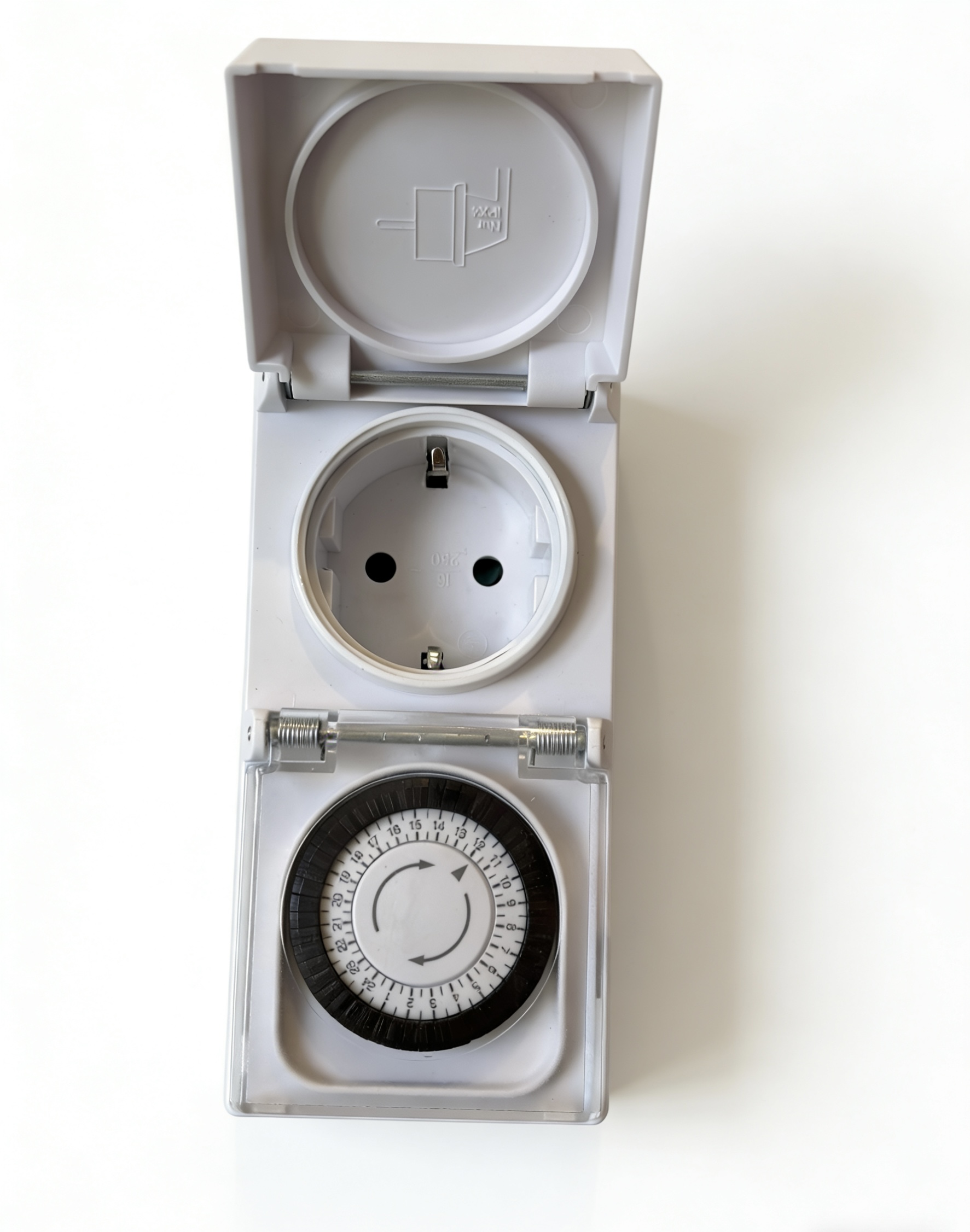
التكامل السلس للمؤقِّتات مع أنظمة إدارة المباني
دمج أجهزة المؤقتات مع أنظمة إدارة المباني (BMS) يُركِّز التحكم لتحسين كفاءة استهلاك الطاقة في المرافق التجارية، مما يمكِّن الجدولة الآلية للأحمال الكهربائية مثل الإضاءة وأنظمة التدفئة والتهوية وتكييف الهواء (HVAC). ويؤدي ذلك إلى تقليل التدخل اليدوي ومواءمة الأنظمة مع الاحتياجات التشغيلية المتغيرة.
التوافق بين بروتوكولي BACnet وModbus: تقليل تعقيد عمليات التحديث والتعديل
بروتوكول BACnet، الذي يرمز إلى شبكات أتمتة وتحكم المباني، جنبًا إلى جنب مع بروتوكول Modbus، يشكّلان معاً معايير اتصال مفتوحة تُسهِّل تبادل المعلومات بين الأنظمة المختلفة. وعندما تدعم المرافق هذه البروتوكولات، فإنها توفر المال لأنها لا تحتاج إلى استبدال المعدات الخاصة الباهظة الثمن أو إجراء أعمال إعادة توصيل كهربائية واسعة النطاق. كما تنخفض أوقات التركيب عادةً بنسبة تصل إلى ٤٠٪ في المتوسط لمعظم مشاريع التحديث. فعلى سبيل المثال العملي: يمكن ربط مؤقِّت بسيط عبر بروتوكول Modbus بأنظمة المباني القديمة للتحكم الذكي في الإضاءة استناداً إلى أنماط التواجد الفعلية، وكذلك للمساعدة في إدارة استهلاك الطاقة خلال ساعات الذروة، وكل ذلك دون الحاجة إلى هدم البنية التحتية الحالية. وبفضل قدرة الأنظمة المختلفة على التواصل مع بعضها بسلاسة، تقلّ بشكل كبير تلك المشكلات المزعجة المتعلقة بعدم التوافق التي نواجهها جميعاً، مما يجعل برمجة الجداول المعقدة عبر عدة أحداث خلال اليوم أمراً أكثر سهولة بكثير. ويتفق معظم الخبراء في هذا المجال على أن هذا النهج يتماشى تماماً مع معايير كفاءة المباني السائدة حالياً.