
 EN
EN



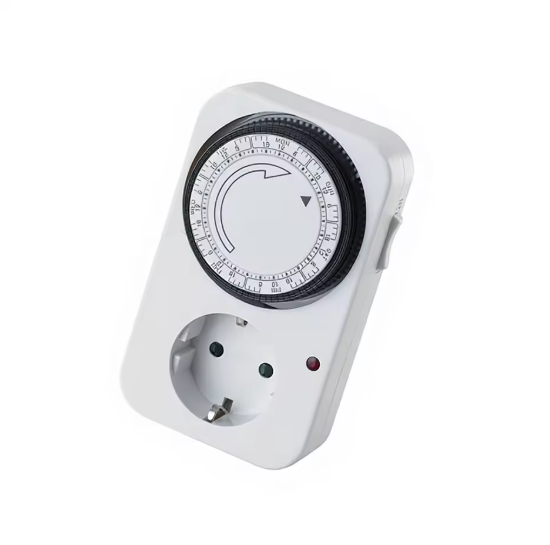
Основна начела одржавања за поуздано функционисање механичког тајмера
Превентивно одржавање представља основу поузданог механичког рада тајмера, продужавајући животни век и спречавајући неочекиване неуспјехе. За разлику од реактивних приступа, структурирана превентивна стратегија минимизује зношење критичних компоненти - посебно пруге, испадице и густице - решавајући деградацију пре него што утиче на функцију. Кључни принципи укључују придржавање интервала за подмазивање и инспекцију које препоручује произвођач, калибрирани у окружењу рада и радни циклус тајмера. Оператори би требали водити јасне дневнике одржавања који прате обављане задатке и примећене аномалије, омогућавајући анализу тренда и рану интервенцију. Редовно функционално тестирање према калибрираном временском стандарду осигурава да тачност времена остане у оквиру прихватљивих толеранција (обично ± 5%), док визуелне инспекције током сервиса откривају ране знаке умора, погрешног усклађивања или корозије. Ове праксе заједно ублажавају уобичајене режиме неуспехакао што су одлазак у времену, оклевање или заустављањепре него што се ескалирају у скупо време простора или неповратну штету.
Најбоље праксе за чишћење и марење за компоненте механичког тајмера
Избор и наношење мастила за часовнике на зубрезе, решетке и главни пруге
Прецизно управљање трчањем је од суштинског значаја за конзистентно вожње бициклом. Користите само смазачи за часовникекао што су синтетичко уље за часовнике или масла за фине механизмеформулисане за ниску летљивост, топлотну стабилност и компатибилност са месингом, челиком и тврдим легурама. Наноси се једна микро-капа на сваку тачку завртања, интерфејс за ређачке мреже и решетну паву користећи прецизни маслац; прекомерно мачење привлачи контаминацију честица и повећава отпор. За главне пруге, танки, равномерни филм спречава уморење метала и подржава равномерну испоруку вртећег момента током циклуса обзирања. Увек пратите упутства произвођача о вискозитету: предебљи уља спречавају кретање, док су претјесна прерано испарава и оставља компоненте незаштићене.
Протоколи за смањење прашине и сигурно чишћење за механизме за излагање времена
Прашина и отпад који се носи ваздухом водећи су узроци прерано знојења и неуспеха контакта. Чишћење изложеног зрна, кама и контаката прекидача месечно користећи притиснути ваздух ниског притиска (≤30 пси) за одбацивање честица из чврстих прозорца. Мекла четка од камиласке коже нуди неабразивну алтернативу за нежке површине. Избегавајте чистила на бази растворитеља, осим ако то изричито одобри произвођачмноги се разлагају пластичним корпусима, надувају густице или одвлаче постојећи мастило. За проводнике остатке или оксидацију на електричним контактима, нежно бришете крпом без пљувака увлаченом 99% изопропиловим алкохолом, а затим дозволите да се потпуно испарава пре пуњења енергије. Када је то могуће, ставите тајмере у запечаћене куће или инсталирајте фино мешовите филтере за улазак како бисте смањили улазак и продужили интервал за чишћење.
Признавање раних знакова погоршања механичког тајмера
Механички тајмери се ослањају на чврсто толерантне зглобове зглобова, пруге и системе за испајањешто чини рано откривање деградације виталним. Постепене нетачности временакао што су циклуси који се стално завршавају раније или касније од постављеногчесто одражавају оштећење мастила, зношење површине или тријање круга. Неконзистентно вожње бицикломкоје карактерише колебање, кацање или нерегуларни скокови интерваломчесто сигнализује оштећење зуба, умора пруге или страни материјал који омета кретање. Потпуно заустављање је најакутнији режим неуспеха, који се обично узрокује прихваћеним вртовима, сломљеним главним пругама или неправилном усклађивањем испадања који зауставља пренос енергије у потпуности.
Дијагностика нетачности времена, непостојан циклус или потпуна стајање
Систематска дијагноза почиње изоловањем симптома:
- Временски одлазак : Сравњавајте пет узастопних циклуса са стандардом времена који се може пратити (нпр. синхронизовани сат НИСТ-а или калибрирани стоплог). Упорна одступања изнад ± 5% указују на регулисање зноја компоненте или недовољно марење.
- Непостојан циклус : Региструјте интервали почетка/стапа током више циклуса; неправилности се често локализују на одређене мачеве зуба или профиле камапосебно када се колебање поклапа са прелазима високим крутним мотором.
- Потпуна неуспех : Прво проверите улаз енергије и континуитет оптерећења, а затим проверите да ли постоје очигледне препреке, сломљене пруге или корозиране ротове. Недостатак напетости пруге или чути цлик током ручног намотавања указује на унутрашњу фрактуру или одвајање закотве.
Ови обрасци, када се документују и тумаче у контексту, омогућавају циљану интервенцију. Једноставне методе верификације као што је хрономерно регистровање циклуса пружају акционални увид без специјализованих инструмената, подржавајући правовремено одржавање које очува дугорочну поузданост.
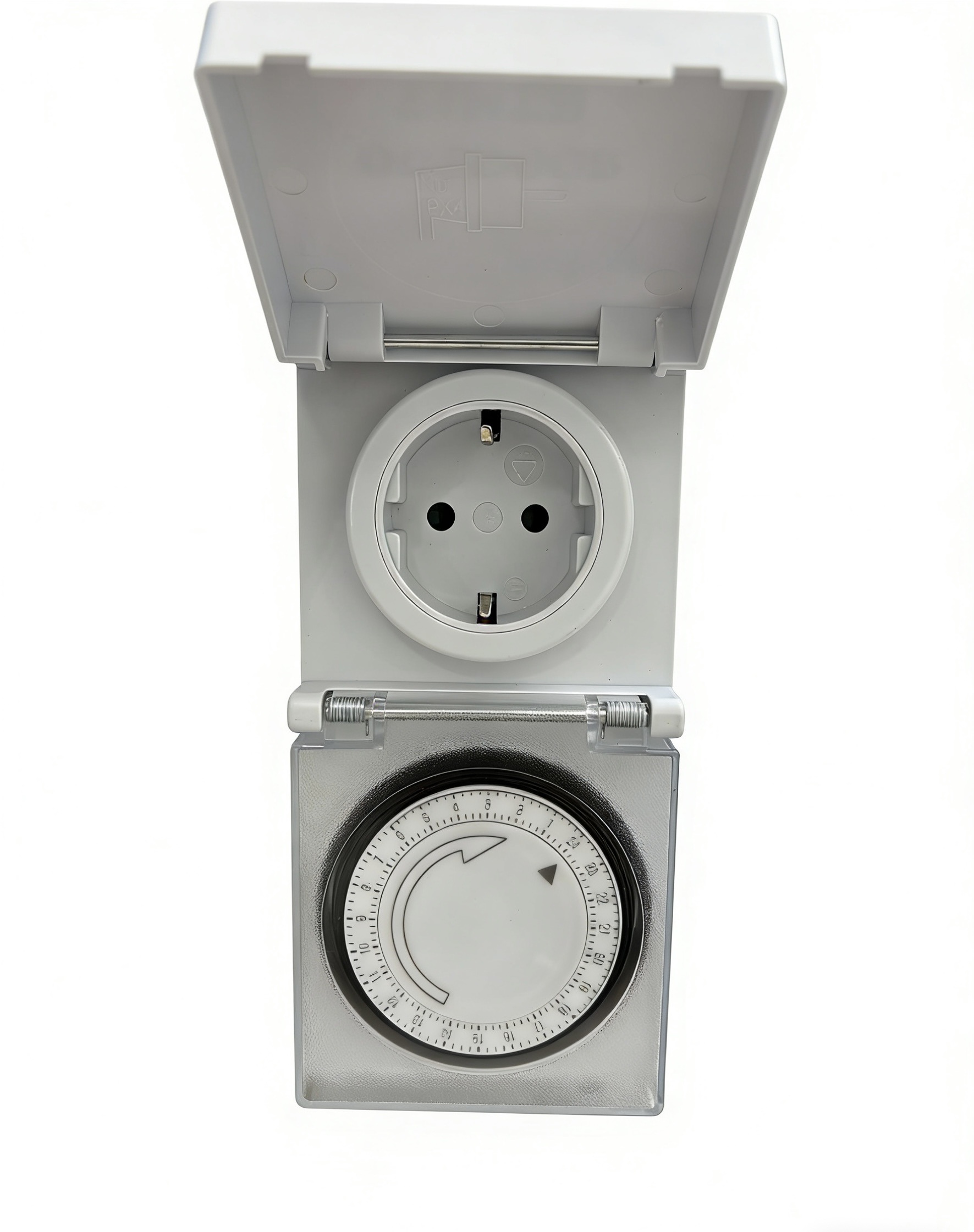
Проверка, ресетирање и дуготрајна нега аналогних механичких тајмера
Функционално тестирање: верификација тачности циклуса, понашања ресетовања и одговора на оптерећење
Рутинско функционално тестирање у реалним условима је од суштинског значаја за одржавање перформанси. Почни са тачност циклуса : мере пет узастопних интервала укључивања/изгашања користећи калибрирани стопан или дигитални тајмер који се односи на стандард који се може пратити. Одступање које прелази ±5% номиналног интервала захтева истрагу на зношење зуба, умору пруге или неуспех мазивања. Затим, процени ресетирање понашања : де-енергизирајте тајмер и потврдите да се кама или цифербол потпуно и одмах враћа на своју почетну позицију; кашњење или делимично враћање указује на везивање, слабе повратне пруге или акумулирано тријање. Завршном, процени одговор на оптерећење у номиналним електричним условима користећи мултиметар: мониторирајте прекомерни пад напона (> 10% номиналног), лук на контактима или повремено континуитетзнаке зачињења, оксидације или механичке реакције које утичу на интегритет прекидача. Запишите све резултате у централизованом дневнику како бисте идентификовали трендове и информисали распореде одржавања. Сачувајте тајмере у окружењима са < 60% РХ и минималном изложеношћу прашини, и закажите свеобухватно професионално сервисирање сваких 2436 месеци. Када се комбинују са дисциплинованим тестирањем и документацијом, ове праксе рутински продужавају живот у употреби за 100% или више.
Često postavljana pitanja
П: Шта је превентивно одржавање и зашто је важно за механичке тајмере?
О: Превентивно одржавање подразумева редовно прегледање, чишћење и сервисирање како би се елиминисало зношење и олакшање пре него што то доведе до оштећења. За механичке тајмере, он максимизује животни век и осигурава поуздан рад.
П: Коју врсту масти треба користити за механичке тајмере?
О: Треба користити само мастила за часовнике као што је синтетичко уље за часовнике или мастила за фине механизме. Они су дизајнирани за компатибилност са компонентама за тајмер и нуде топлотну стабилност и малу нестабилност.
П: Како могу безбедно чистити изложене компоненте механичког тајмера?
О: Користити ниско притисак компресивног ваздуха или меку четку од камиласке косе за уклањање остатака. Избегавајте чишћење на бази растварача осим ако то није наведено од произвођача, и чистите електричне контакте са 99% изопропил алкохолом.
П: Који су уобичајени знаци механичког оштећења тајмера?
О: Знаци укључују нетачност у времену, несагласне циклусе и потпуну стајање. Ово може указивати на зношење, неадекватну марење или оштећење критичних компоненти као што су зубрице и пруге.
П: Колико често механички тајмери треба да се подвргну професионалном сервису?
О: Свеобухватно сервисирање треба да буде закажано сваких 24-36 месеци како би се одржале оптималне перформансе и поузданост.