
 EN
EN



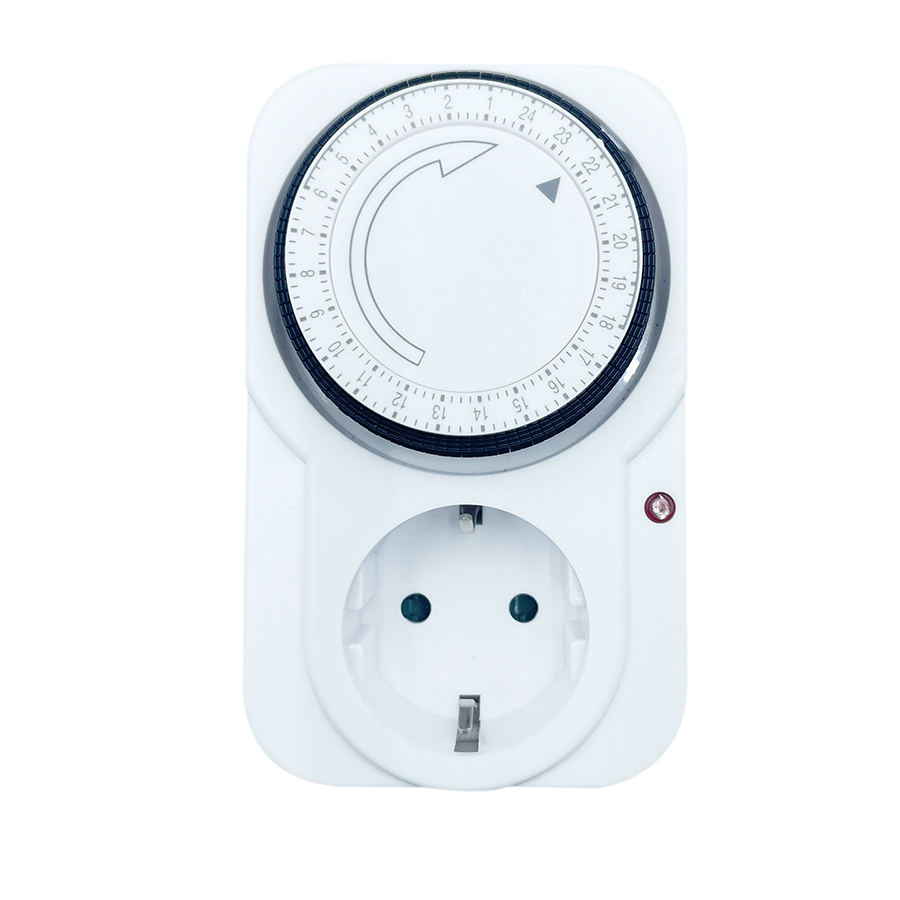
Why Power Outages Cause Timer Programmable Failure
Capacitor Drain and Memory Loss in Non-Volatile RAM Designs
Most timer programmable devices use non-volatile RAM (NVRAM) to retain schedules during brief power interruptions. This memory relies on internal capacitors that provide temporary backup power. During extended outages exceeding 10–30 minutes—depending on capacitor capacity—these components fully discharge. Once depleted, the NVRAM loses all programmed settings, requiring complete reprogramming. According to the Ponemon Institute’s 2023 study on embedded control reliability, capacitor drain accounts for 78% of timer programmable failures, far surpassing hardware defects as the leading root cause.
Clock Drift and Schedule Corruption in AC-Synchronized Timer Programmable Units
Timer programmable models synchronized to alternating current (AC) frequency maintain timing accuracy by tracking the grid’s 60 Hz cycle. When outages occur, internal quartz clocks temporarily take over—but these secondary mechanisms typically drift 15–90 seconds per day. After a 6-hour outage, schedule misalignment can exceed 22 minutes. Critically, power surges during restoration—even if capacitors remain charged—can corrupt schedule memory, triggering factory resets in 41% of affected units (Energy Efficiency Journal, 2023). This dual vulnerability makes AC-synchronized timers especially prone to silent failure: the device may appear operational while executing incorrect schedules.
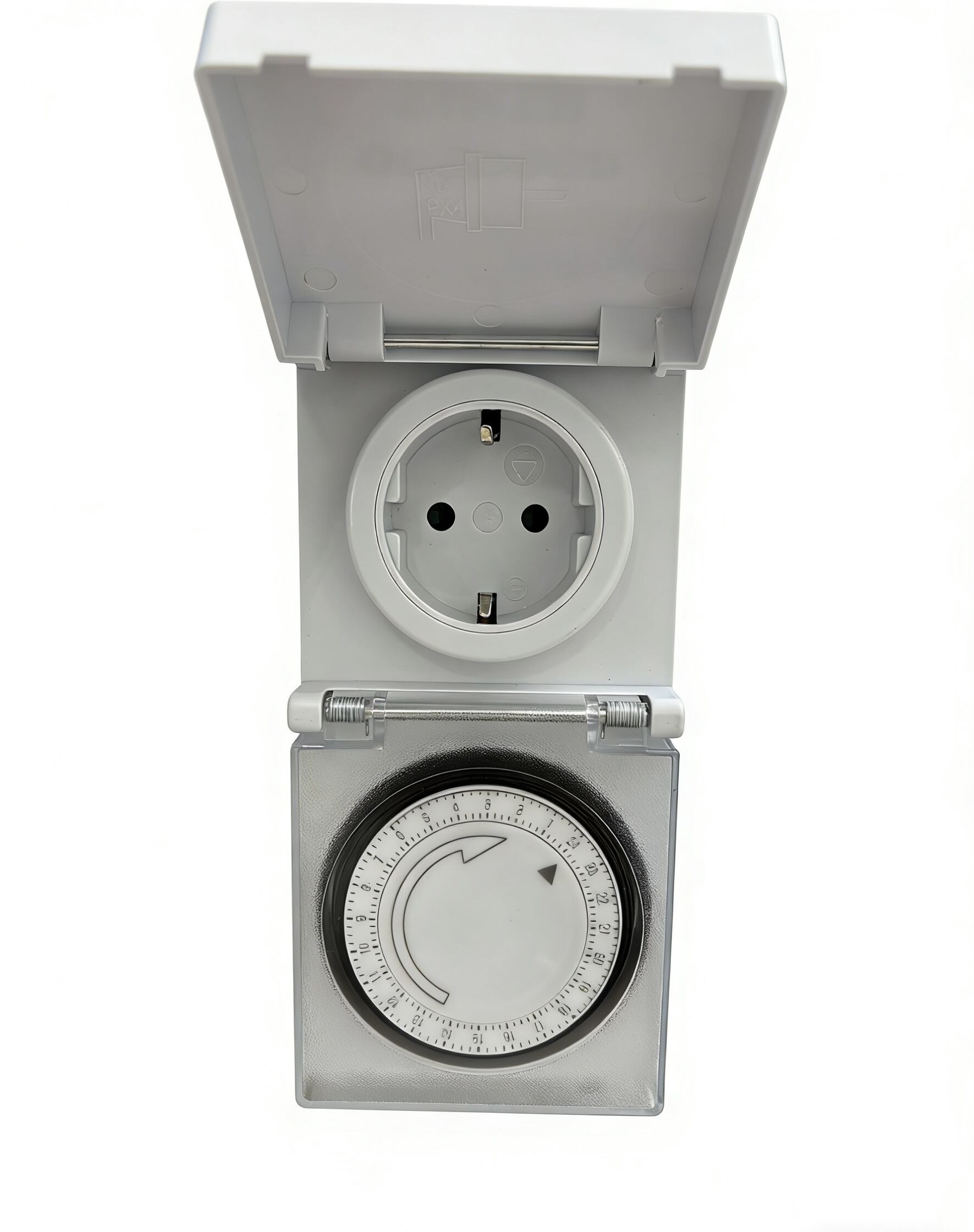
How to Reset a Timer Programmable After Power Outage: A Verified 4-Step Process
Step 1: Power-Cycle and Initiate Hardware Reset
Disconnect the timer programmable unit from its power source—either by unplugging it or flipping its dedicated circuit breaker. Wait at least 60 seconds. This pause ensures internal capacitors fully discharge, eliminating residual voltage that can lock control logic. Reconnect power afterward; most units automatically enter a startup routine. Confirm boot completion via display illumination or indicator light behavior. Skipping the full 60-second wait is the most common reason for incomplete resets, as shorter intervals often fail to clear volatile memory registers.
Step 2: Interpret LED Feedback to Confirm Timer Programmable Readiness
After rebooting, observe the LED or display for readiness signals. A steady green light or slow-blinking pattern typically indicates successful initialization. In contrast, rapid red flashing usually means the internal clock has lost synchronization and requires manual time setting. Since LED interpretations vary by manufacturer, consult your device’s manual for the exact “ready” signal. If no expected indicator appears—or if the unit remains unresponsive—repeat Step 1 or perform a factory reset using the recessed reset button (if equipped).
Step 3: Restore Time, Date, and Custom Schedules Without Data Loss
Once readiness is confirmed, set the correct time and date using navigation buttons. Adjust hour, minute, day, and month precisely—and enable or disable daylight-saving time as applicable. Next, verify whether custom on/off schedules persist in memory. Many NVRAM-based models retain schedules briefly after an outage; if entries are present, review each for time drift (e.g., a 3-minute shift due to quartz clock drift) and correct as needed. If memory was fully cleared, rebuild schedules using your original logic. After saving, manually advance the clock to test whether the next scheduled action triggers correctly—this validates both time accuracy and program execution integrity.
Preventing Future Timer Programmable Disruption During Power Outages
Battery Backup and Supercapacitor Solutions for Reliable Timer Programmable Operation
Power continuity solutions prevent timer programmable failures before they occur. An uninterruptible power supply (UPS) bridges short interruptions with battery power, preserving schedule integrity and shielding against data corruption during brownouts and surges. For longer disruptions—especially for critical loads like HVAC controllers—select a UPS with runtime calibrated to your equipment’s wattage, aiming for at least 30 minutes of backup. Supercapacitors offer complementary protection: delivering milliseconds of instantaneous power to preserve volatile memory during micro-outages (<100 ms), they eliminate clock drift and require no periodic replacement. Unlike batteries that degrade after 2–3 years, supercapacitors sustain 100,000+ charge cycles with minimal maintenance and a 10+ year service life.
| Solution Type | Outage Coverage | Key Advantage | Maintenance Interval |
|---|---|---|---|
| Battery Backup (UPS) | Minutes to hours | Extended runtime for schedules | Replace every 2–3 years |
| Supercapacitor | Milliseconds | Instant response, zero drift | 10+ years lifespan |
These technologies work synergistically: supercapacitors maintain real-time clock accuracy during instantaneous drops, while UPS systems handle sustained interruptions. Facilities deploying hybrid backup strategies report 99.8% schedule retention across grid fluctuations. Always confirm your timer programmable supports integration—look for dedicated backup ports, expansion slots, or vendor-certified compatibility before deployment.
FAQ
Why do power outages lead to timer programmable failures?
Power outages cause timer programmable failures primarily due to capacitor drain in NVRAM designs and clock drift in AC-synchronized units. Extended outages deplete capacitors, leading to memory loss, while clock drift during outages causes schedule misalignment.
How can I reset my timer programmable after a power outage?
Follow a four-step process: 1) Power-cycle and reset the hardware, 2) confirm readiness via LED feedback, 3) restore the time, date, and schedules accurately, and 4) validate schedule execution to ensure proper functionality.
What are the best preventive measures for timer programmable disruptions?
Using a UPS or supercapacitor can mitigate disruptions. A UPS provides extended runtime for schedules, while supercapacitors address shorter power interruptions by preserving memory and preventing clock drift.
Is a UPS better than a supercapacitor for timer programmables?
Both serve different purposes. A UPS offers longer outage coverage, while supercapacitors respond instantaneously. Combining both solutions ensures maximum reliability for timer programmables.