
 EN
EN



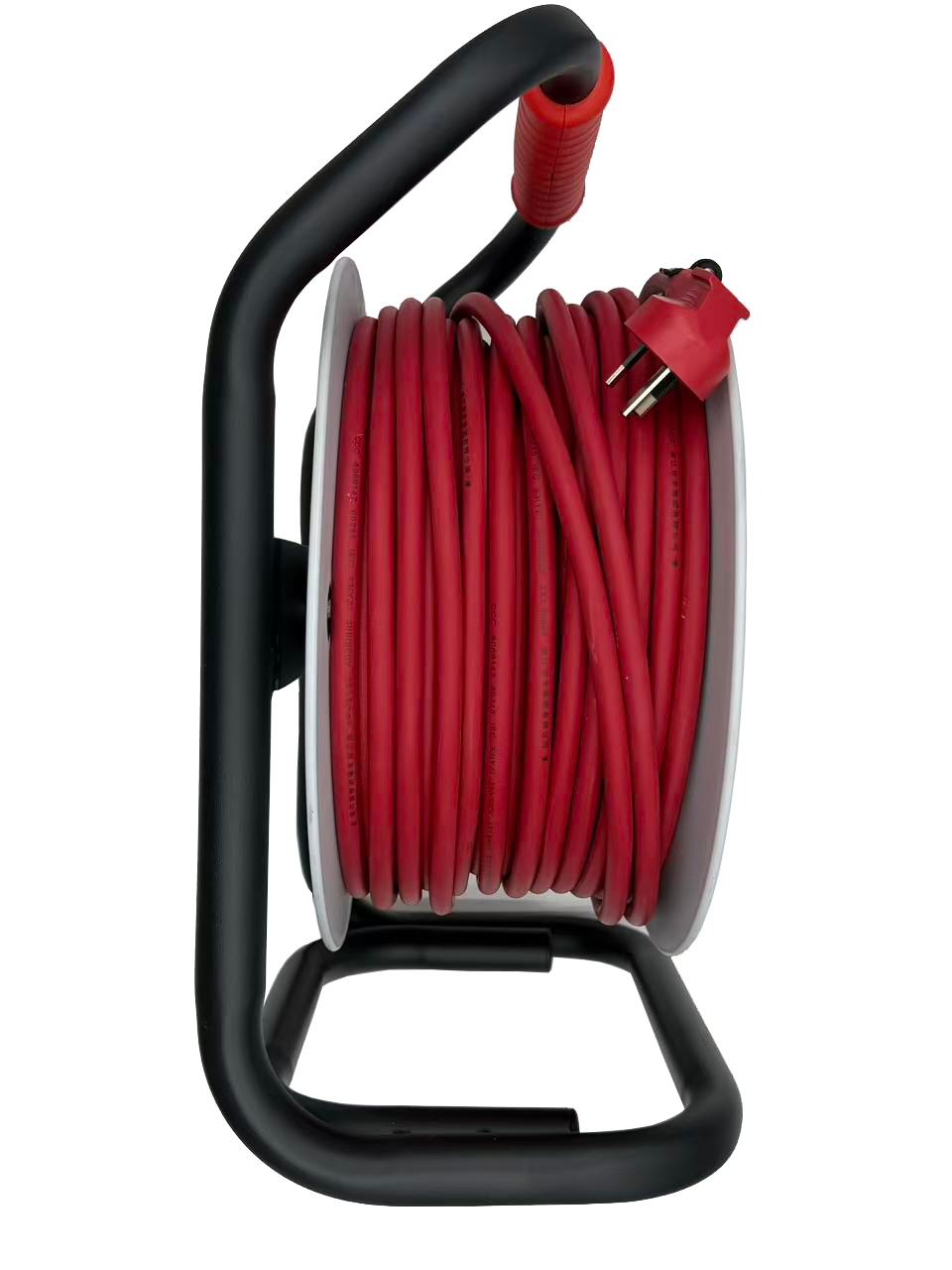
Superior Flexibility for Dynamic and Space-Constrained Installations
Powercord with flexible casing delivers unmatched maneuverability in complex installations. Its engineered design directly addresses two critical friction points: confined spaces and dynamic routing requirements.
Bending radius and torsional compliance: How they reduce installation friction and prevent kinking
Getting a smaller bending radius is possible with new polymer materials these days, which means cables can make tighter turns without breaking down the conductors inside. When paired with full 360 degree twisting capability, electricians actually face about two thirds less resistance while running wires through pipes or navigating around corners. No more kinks caused by forcing regular cords into tight spots during installation. Less effort required also speeds things up considerably, especially when working on older buildings where space constraints are already an issue for anyone trying to run new wiring.
Real-world validation: 30% faster cable routing in dense data center racks vs. rigid powercord
Field tests in high-density server environments demonstrate measurable efficiency gains. Technicians routed flexible powercord through 42U racks 30% faster than rigid alternatives, primarily due to:
- Single-pass threading around blind corners
- Zero backtracking for kink remediation
- Simplified tray stacking with 19% tighter bend tolerances
The 30% acceleration in cable management directly correlates with reduced labor costs and minimized downtime during critical infrastructure expansions. This performance advantage proves especially valuable in environments like network closets and industrial control panels where space optimization is non-negotiable.
Reduced Installer Fatigue and Improved Handling with Lightweight Powercord
Ergonomic advantage: 42% lower physical strain during extended powercord deployment
Power cords designed with flexibility help cut down on installer fatigue because they're built with ergonomics in mind. These cords bend and pull much easier than traditional ones. A recent study from UL in 2023 showed something interesting too. Techs working with these flexible cords reported about 42 percent less strain on their muscles and joints when running cables through tight spots or overhead ductwork versus dealing with stiff alternatives. What makes them work so well? The outer layer has some kind of memory property that stops it from constantly fighting against whatever position it gets into. Plus, the surface isn't slippery at all which really helps when climbing around equipment vertically. And let's not forget real world benefits. Contractors see roughly 30% drop in those annoying repetitive motion injuries after switching to these cords for long term jobs on site.
Weight savings: Flexible powercord averages 28% lighter per meter than PVC-sheathed alternatives
High flexibility power cords are made with materials that cut down their weight by about 28% compared to regular PVC sheathed cables according to density tests we ran. The lighter weight makes a big difference during installation work. Electricians can handle much longer cable runs by themselves when running them through those metal ladder trays in industrial settings. Their arms don't get tired so quickly either, which matters a lot when connecting these cables to sensitive medical devices where even small vibrations could cause problems. Think about it this way: installing 100 meters of these flexible cables means carrying around 14kg less weight overall. That adds up over time, making the whole job safer for workers especially in places where lots of cables need to be installed at once.
Enhanced Space Efficiency and Cable Management in Tight Enclosures
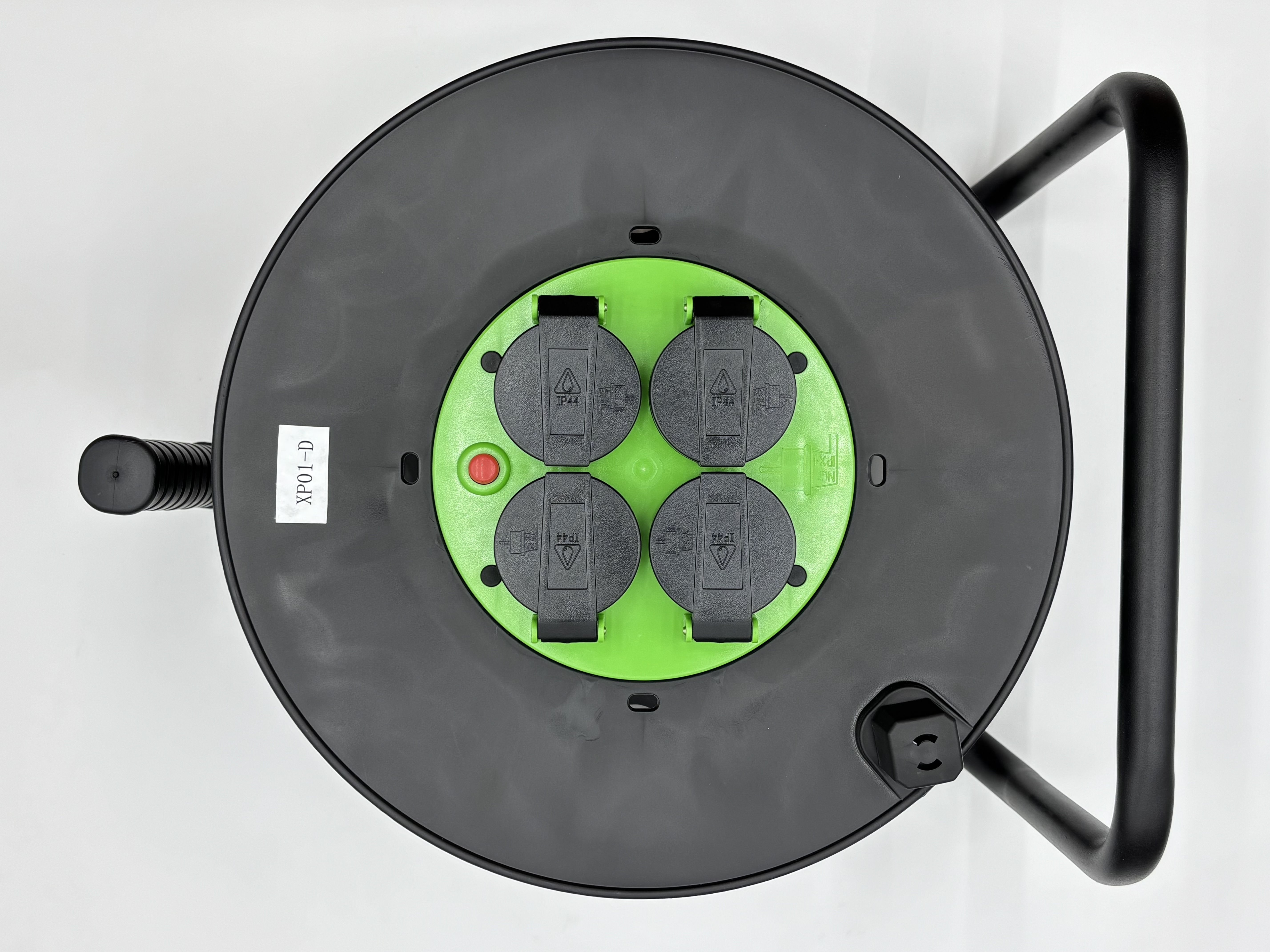
Maximizing density: 3.2 more flexible powercord routed per 1U in medical device and industrial control cabinets
Industry tests demonstrate that flexible powercord enables 3.2 higher cable density per 1U rack space compared to rigid alternatives; critical for confined installations like surgical equipment and PLC cabinets. This space optimization stems from three key factors:
- Reduced bending radius allows tighter turns without kinking
- Thinner casing profiles create 40% more routing pathways
- Torsional compliance eliminates cable crossover interference
When components are routed more compactly, it really helps with heat dissipation and makes things easier to maintain. Techs working on control panels have noticed they can get into components about 25 percent quicker when flexible power cords are used instead of traditional ones. The reason? Less cluttered spaces mean no more fighting through those frustrating wire tangles. Medical equipment carts especially benefit from this since space is so limited. With roughly triple the component density possible, facilities can actually fit extra monitoring gear onto their carts without needing to modify existing cabinets or spend money on new hardware.
This efficiency extends beyond static racks; robotic arms and mobile diagnostic units benefit from the streamlined cable management, maintaining reliability during constant repositioning. By minimizing bulk while maximizing conductivity, flexible powercord delivers both space economy and operational resilience in high-density environments.
Durability Meets Flexibility: Why High-Performance Powercord Doesn’t Sacrifice Longevity
Flexible powercords today manage to get past that old problem where cables either bend too easily or break under stress thanks to some smart material work. The casings use special thermoplastic stuff that remembers how it was bent and doesn't wear out so fast. These materials also stand up pretty well to scratches, chemicals, and extreme temperatures from as cold as minus 40 degrees all the way up to 90 degrees Celsius. What really matters here is that the cable stays intact even after being moved around constantly. Rigid cables tend to crack when they go around sharp bends, but not these ones. Tests run in labs indicate that these better materials last about three to five times longer than regular PVC coatings in factories and workshops. For anyone dealing with machinery on a daily basis, this means less downtime replacing damaged cords and fewer safety risks from worn-out wiring.