
 EN
EN



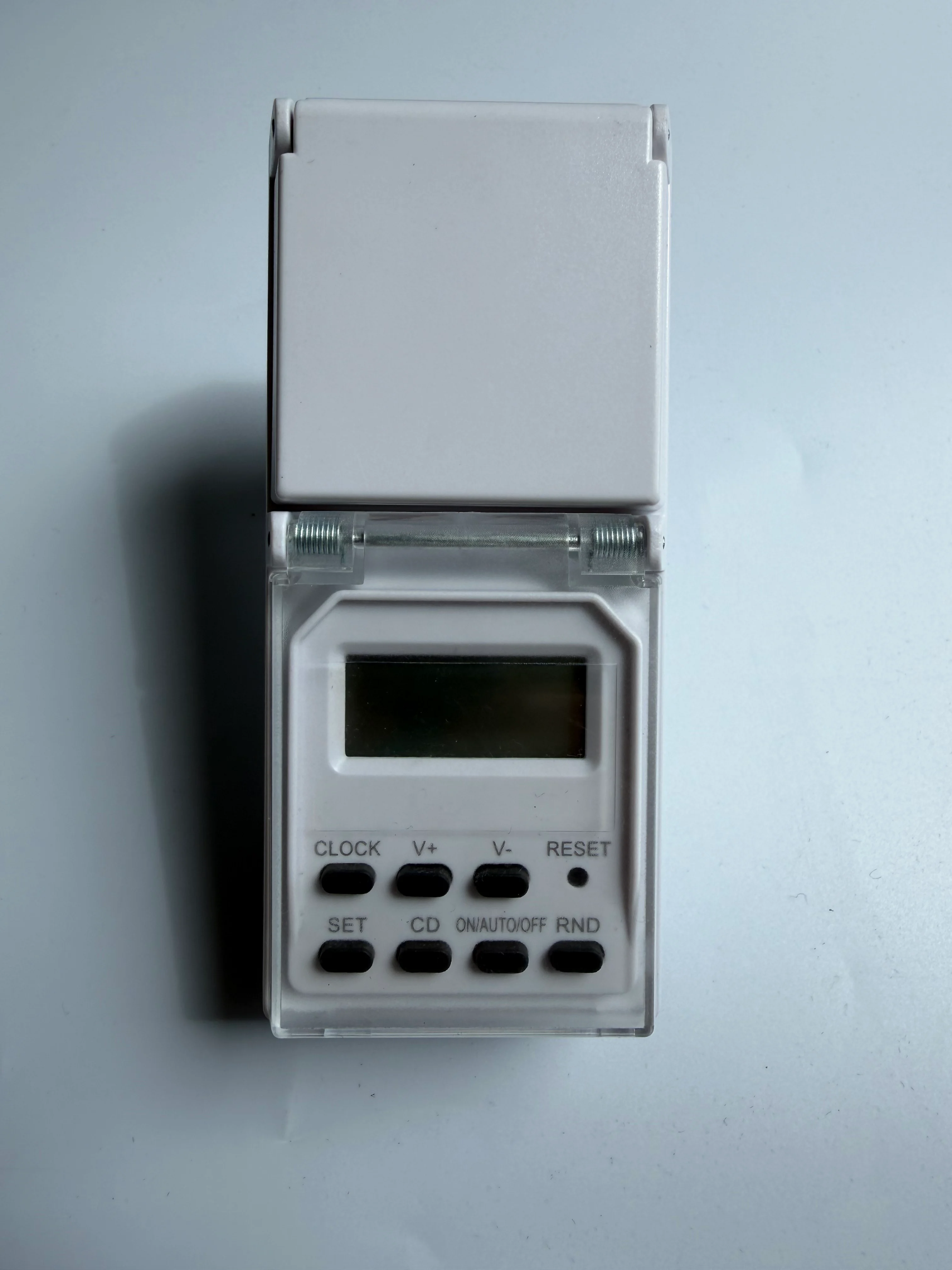
Understanding the Fundamental Engineering of a Mechanical Timer
When designing long-lasting household, commercial, and industrial control systems, selecting the right timing device is essential for ensuring operational stability over many years of continuous service. Among the available market options, a traditional mechanical timer remains a preferred choice for homeowners, facility managers, and electrical contractors alike because of its rugged internal architecture and time-tested reliability. Unlike complex digital microchips and microcontrollers that can be highly sensitive to voltage spikes, power grid surges, or electromagnetic interference, a standard mechanical timer operates purely through physical gear trains, spring-loaded escapement mechanisms, and manual dial settings. Drawing from decades of specialized manufacturing experience in electrical accessories since 1986, industry experts recognize that this mechanical simplicity translates directly into enhanced physical durability and long-term operational resilience. Whether managing everyday lighting schedules, ventilation systems, or regulating heavy-duty heating appliances, a well-built mechanical timer delivers dependable performance without relying on fragile software or delicate electronic components that degrade over time.
The Mechanical Advantages Over Digital Alternatives
The primary reason a mechanical timer excels in long-term deployment lies in its inherent resistance to electrical noise, transient signals, and power fluctuations. Modern residential and commercial power grids frequently experience micro-surges, voltage sags, and transient electrical disturbances that can easily disrupt, freeze, or fry sensitive digital microcontrollers. In contrast, the robust physical gears and spring-driven escapements inside a mechanical timer are entirely immune to transient software crashes, network disconnections, or unexpected system reboots. When setting up a routine daily schedule, users simply rotate the physical dial of the mechanical timer to engage the internal spring tension, which then releases stored kinetic energy at a precisely controlled rate. This straightforward physical actuation eliminates the common frustration of screen freezes or programmed memory loss, ensuring that every connected device switches on and off exactly when expected, day after day, year after year.
Exceptional Durability in Diverse Environmental Conditions
Long-term reliability is heavily influenced by how well a timing device handles challenging environmental factors such as ambient temperature variations, humidity, and airborne dust in various workspaces. An elite mechanical timer is typically housed within heavy-duty, flame-retardant engineering plastics and reinforced outer casings designed to shield the internal mechanical gears from external physical wear and tear. Furthermore, because a mechanical timer does not feature moisture-sensitive liquid crystal displays or delicate micro-circuit boards, it performs exceptionally well in semi-exposed utility rooms, garages, and workshops where environmental conditions fluctuate. The robust internal metallic contacts and durable spring components are engineered to withstand thousands of continuous switching cycles without losing their structural integrity or mechanical calibration, providing users with a truly set-and-forget automation solution for various household applications.
Practical Simplicity and Effortless User Operation
Beyond sheer technical robustness, the enduring appeal of any mechanical timer stems from its unmatched user-friendliness and absolute operational transparency in daily life. In an era dominated by overly complicated smart devices that require companion mobile apps, Wi-Fi routers, and constant firmware updates, a mechanical timer offers a refreshing return to intuitive, physical control. Users of all age groups can effortlessly program a mechanical timer by simply pushing pins down or rotating the outer dial to match their preferred active hours. This tactile interaction requires no technical troubleshooting or network configuration, making a reliable mechanical timer an ideal tool for elderly residents or busy families who value straightforward functionality. By stripping away unnecessary technological layers, a dependable mechanical timer ensures immediate, hassle-free control over domestic energy consumption.
Energy Efficiency and Sustainable Long-Term Value
Long-term reliability naturally translates into superior economic value and enhanced energy conservation for everyday households and commercial offices. By utilizing a mechanical timer to automate lighting systems, fans, and space heaters, users can effectively prevent electricity waste caused by appliances running unattended for hours. Because a quality physical timer consumes zero standby electrical power when operating compared to always-on digital smart plugs that continuously draw phantom load current, it contributes directly to lower utility bills. Moreover, the long operational lifespan of a mechanical timer drastically reduces the frequency of replacements, minimizing electronic waste and supporting sustainable living practices. For anyone seeking a cost-effective, durable, and environmentally responsible automation tool, investing in a high-grade mechanical timer remains a proven, time-tested strategy for long-term peace of mind.
The Future Relevance of Physical Timing Devices
Even as smart homes and internet-connected automation systems continue to expand across global markets, the timeless appeal and unmatched dependability of a mechanical timer will never truly fade away. In critical applications where network reliability cannot be guaranteed or where users simply prefer absolute privacy and zero cybersecurity risks, physical control devices offer an unbeatable advantage. Manufacturers dedicated to electrical manufacturing excellence continue to refine gear tolerances, spring metals, and flame-retardant outer housing materials to ensure that every produced physical timer meets stringent international safety standards. By combining time-tested mechanical engineering with modern manufacturing precision, the classic mechanical timer remains an enduring symbol of reliable, maintenance-free automation that will serve consumers effectively for generations to come.
Table of Contents
- Understanding the Fundamental Engineering of a Mechanical Timer
- The Mechanical Advantages Over Digital Alternatives
- Exceptional Durability in Diverse Environmental Conditions
- Practical Simplicity and Effortless User Operation
- Energy Efficiency and Sustainable Long-Term Value
- The Future Relevance of Physical Timing Devices