
 EN
EN



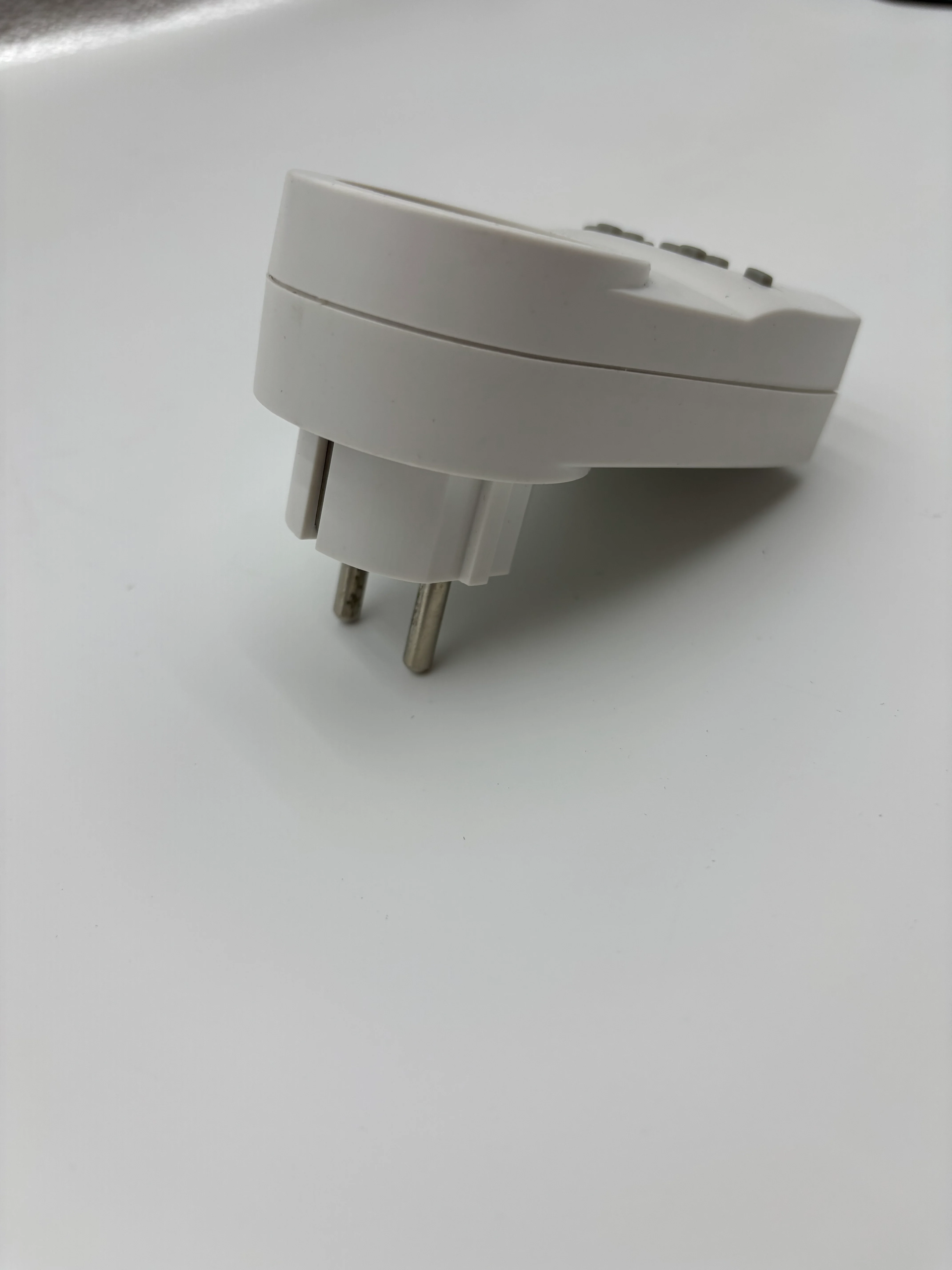
Evaluating Power Load and Current Requirements
When setting up electrical configurations in a residential environment, selecting the correct power distribution hardware is essential for everyday safety and long-term convenience. Among the most common household electrical accessories, extension sockets play a vital role in bridging the gap between wall outlets and multiple electronic devices. However, not all power strips are created equal, and choosing the right extension sockets requires a careful evaluation of your household's total electrical load. Drawing from decades of specialized manufacturing experience in electrical accessories, industry experts emphasize that consumers must first calculate the wattage and amperage requirements of their home appliances. Overloading a standard circuit with high-draw equipment such as space heaters, microwave ovens, or heavy kitchen appliances can lead to severe overheating and potential electrical hazards. By understanding your specific power demands, you can select robust extension sockets designed to handle continuous electrical currents safely without risking thermal damage, voltage drops, or unexpected circuit breaker trips.
Assessing Safety Mechanisms and Surge Protection
Safety is universally acknowledged as the single most critical parameter when purchasing electrical distribution equipment for home environments. A superior choice of extension sockets should always feature comprehensive built-in safety mechanisms, such as child-safety shutter doors, thermal overload cut-off switches, and flame-resistant outer casing materials. Modern residential power grids can occasionally experience unexpected voltage spikes, micro-surges, or transient electrical disturbances during severe weather storms. High-quality extension sockets equipped with integrated surge protection and heavy-duty copper internal wiring help shield delicate electronics—including desktop computers, televisions, and charging stations—from harmful voltage irregularities. When evaluating different models on the market, checking for international safety compliance certifications and robust internal grounding components provides absolute peace of mind, ensuring that your family and property remain fully protected against unexpected electrical accidents.
Understanding Cord Length and Physical Placement
The physical layout of your living space, bedroom, or home office heavily dictates the specifications of the power distribution hardware you purchase. Selecting extension sockets with an appropriate cable length is crucial for maintaining a tidy, hazard-free environment without creating messy tripping hazards across walkways. Long cords can sometimes experience minor voltage drops if improperly rated, so it is important to choose models featuring thick, durable, copper-core cabling designed to transmit electrical currents efficiently over distance. Furthermore, proper placement involves keeping extension sockets away from high-moisture areas such as bathrooms or open windows unless the units feature specialized waterproof ratings. By planning your device layout strategically, you can ensure that your extension sockets remain easily accessible while maintaining a clean, organized, and structurally safe domestic setup across all residential rooms.
Evaluating Outlet Configuration and Usability
Modern households typically feature a diverse mix of plug types, ranging from traditional round-pin and flat-pin plugs to USB charging adapters and high-wattage appliance connectors. When shopping for reliable extension sockets, consumers should examine the socket layout and spacing to ensure that bulky power adapters do not block adjacent plug slots. Multi-way extension sockets that offer a balanced combination of standard AC outlets and fast-charging USB ports provide exceptional versatility for modern digital lifestyles. Additionally, individual master control switches on each socket row allow users to power down specific electronics entirely when not in use, effectively eliminating phantom standby power drain and lowering monthly electricity bills. Prioritizing thoughtful outlet design and functional versatility ensures maximum everyday convenience for the entire household and family members.
Ensuring Long-Term Value Through Quality Construction
Investing in high-grade electrical hardware ultimately translates into superior economic value and sustainable safety for residential properties. Cheaply manufactured power strips often utilize thin brass contacts and substandard plastics that degrade rapidly under continuous thermal stress, leading to loose connections and electrical arcing. In contrast, premium extension sockets constructed from heavy-duty, flame-retardant engineering polymers and robust internal copper busbars maintain optimal mechanical grip and low electrical resistance over thousands of plug-in cycles. By prioritizing certified manufacturing standards and durable build quality over bargain pricing, homeowners can secure dependable power distribution solutions that deliver flawless performance and protect valuable household appliances for many years to come.
Maintaining Safety and Best Practices for Everyday Use
Even after purchasing top-tier power distribution hardware, proper everyday maintenance remains vital for ensuring sustained domestic safety across all residential rooms and living areas. Users should regularly inspect the outer casing and power cord of their extension sockets for any visible signs of physical wear, cracking, or discoloration caused by environmental aging. Never daisy-chain multiple power strips together under any circumstances, as this dangerous practice easily overloads internal conductors and increases the risk of thermal electrical fires. By adhering to sensible operational guidelines and respecting maximum wattage ratings, households can maximize the functional lifespan of their extension sockets while enjoying worry-free daily power connectivity, reliable performance, and total peace of mind.