
 EN
EN



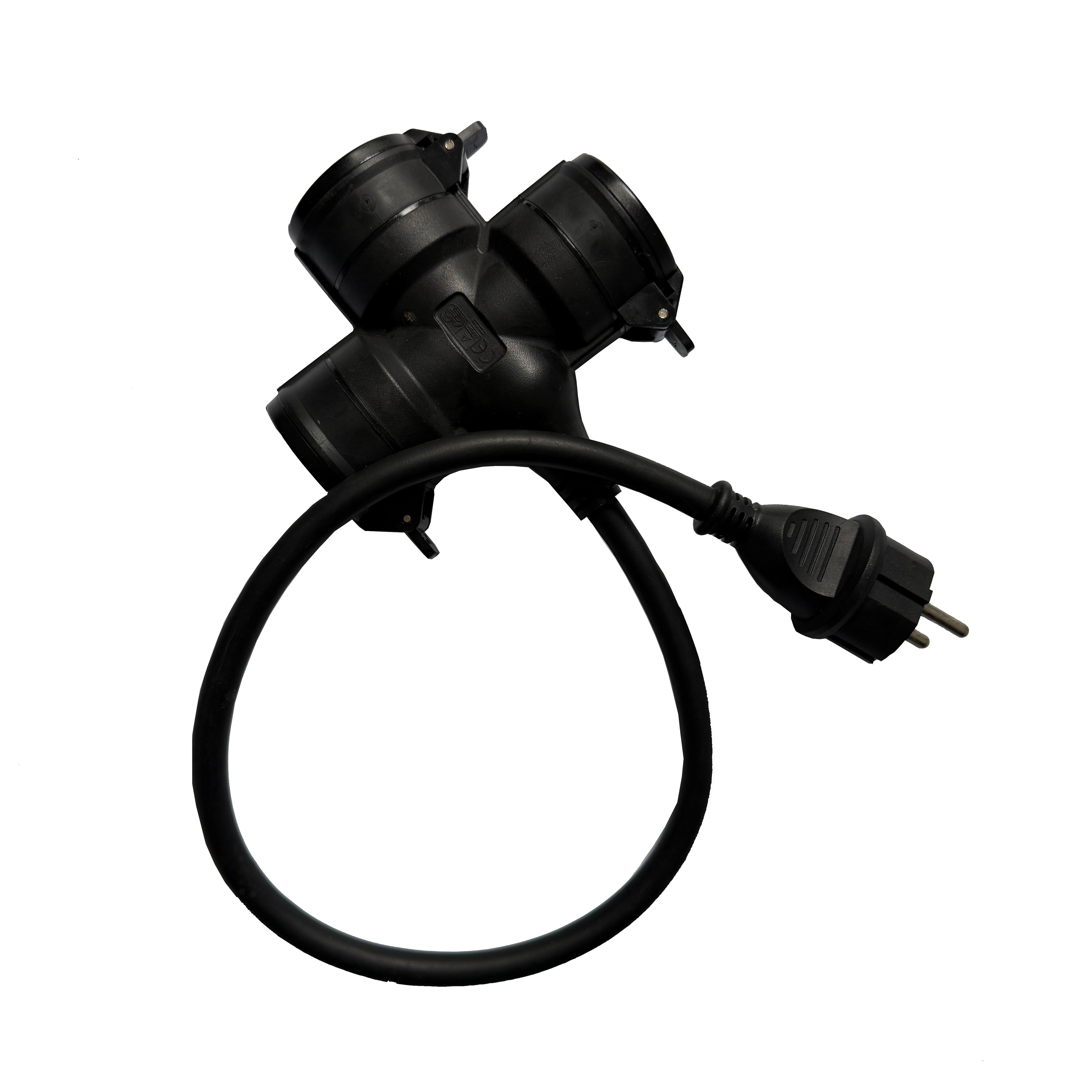
Растящият риск: Как пренапреженията заплашват съвременните чувствителни устройства
Чести източници на пренапрежения — гръмотевични разряди, превключване на електрическата мрежа и мощни битови уреди
Напрежението може да се повиши поради множество причини. Когато гръмотевица удари наблизо, тя може да пренесе огромни количества електричество по нашите електропроводи. Понякога това се случва дори когато няма действителен удар наблизо, благодарение на електромагнитните вълни, които се разпространяват в околността. Самият енергоснабдителен сектор също допринася за този проблем. Проблеми с трансформаторите или просто нормалните операции по превключване в подстанциите предизвикват внезапни скокове в нивата на напрежение. Освен това в самите ни домове има битови уреди, които работят против нас. Големи апарати като хладилници и климатични инсталации всъщност предизвикват малки импулси на напрежение всеки път, когато се включват или изключват – понякога достигайки над хиляда волта при всяко събитие. Повечето хора не забелязват тези миниатюрни импулси през деня, защото те не са достатъчно силни, за да повредят нещо веднага. Но онова, което много хора не осъзнават, е че това постоянно „бомбардиране“ постепенно износва електронните компоненти в устройства като смартфони, домашни рутери и умни термостати, докато накрая не се случи пълна повреда.
Защо миниатюризираната електроника е по-уязвима към прекъсвания на напрежението с продължителност в микросекунди
Съвременната миниатюризирана електроника разчита на плътно компактни вериги с толерантност към напрежение, често под 400 V — значително по-тясна от тази при старите електромеханични системи. За разлика от по-старото оборудване, съвременните микрочипове нямат вродена устойчивост към вълни на пренапрежение. Когато възникнат преходни вълни на пренапрежение:
- Топлината от вълните на пренапрежение стопява микроскопичните проводими пътища, причинявайки необратима повреда
- Слабите вълни на пренапрежение постепенно деградират MOV-овете (варистори от метален оксид) и кондензаторите
- Компонентите с работно напрежение под 400 V излизат от строя с шест пъти по-голяма честота в сравнение с промишленото оборудване (Институт Понемон, 2023 г.)
Тази повишена уязвимост обяснява защо загубите, свързани с вълни на пренапрежение, средно възлизат на 740 000 щ.д. за малките предприятия — често поради незащитени удължителни контакти, които захранват критично, но чувствително оборудване.
Удължителни контакти срещу удължителни контакти с защита от вълни на пренапрежение: ключови функционални различия
Конструкция и предназначение: основно разпределение на електрозахранването срещу активно ограничаване на напрежението
Обикновените удължителни кабели по същество представляват просто разклонители на електрическата енергия. Те позволяват на хората да включват повече устройства, но не осигуряват никаква защита при възникване на вълна на напрежение или друга електрическа повреда. Настоящите предпазители от вълни на напрежение обаче работят по различен начин. Тези модели всъщност притежават вградени системи, които ограничават вълните на напрежение. В тях са вградени компоненти, наречени варистори от метален оксид (MOV). Когато те засекат прекомерно количество електричество, протичащо през тях, включват се почти мигновено и безопасно отвеждат излишната енергия към земята, преди тя да повреди някое устройство. Обичайният диапазон на напрежение, срещу който тези устройства осигуряват защита, е около 330–400 волта. Така докато обикновените контакти просто ни предоставят повече места за включване на устройства, подходящите предпазители от вълни на напрежение действат като щитове за нашата скъпа електроника, отвеждайки вредната енергия настрана, за да останат телевизорите, компютрите и другата ни техника в безопасност по време на онези неочаквани колебания на напрежението, които всички толкова се боят.
Реалността на пазара: Защо повечето удължителни контакти нямат истинска защита от вълни на напрежение
Повече от половината от всички удължителни кабели, продавани с надпис „защитени срещу вълни“, всъщност не изпълняват изискванията на безопасното изпитание UL 1449. Защо? Често защото производителите пропускат да добавят важните MOV-елементи (варистори от метален оксид) или напълно забравят да включат термични предпазители. Основната причина за този проблем е проста математика за компании, които търсят начини за намаляване на разходите. Настоящите компоненти за защита срещу вълни могат да увеличат производствените цени с 30 % до почти 40 %. Какво става тогава? Много от тези така наречени защитени контакти всъщност са обикновени удължителни кутии под маската на защитени устройства. Ако някой иска истинска защита за скъпото си оборудване, трябва да провери дали има правилни сертификационни марки. Търсете одобрение UL 1449 или списък ETL на опаковката. Тези марки имат значение при защитата на устройства като компютри за домашен офис или мрежово оборудване, които могат да бъдат повредени по време на електрически вълни.
Какво определя надежден удължителен контакт с защита срещу вълни?
Ключови компоненти: MOV-елементи, термични предпазители и ниско напрежение на ограничаване
Надежден удължителен контакт с защита от пренапрежения разчита на три взаимосвързани компонента:
- Вариستори от метален оксид (MOV) действат като ключове, чувствителни към напрежението, и отвеждат енергията от пренапрежението към земята, преди тя да достигне свързаното оборудване
- Топлинни предпазители осигуряват критична аварийна дисконекция при прегряване на MOV-овете — предотвратявайки пожарни рискове при продължителни или повтарящи се пренапрежения
- Ниско напрежение на ограничаване (≤400 V) гарантира, че защитата се активира достатъчно рано, за да предпази микроелектрониката с работно напрежение под 400 V дори от незначителни преходни процеси
Без тази интегрирана тройка устройството функционира по същия начин като обикновен удължителен контакт — оставяйки уредите изложени на натрупващи се пренапрежения с продължителност в микросекунди.
Еталони за производителност: Джоулова класификация, сертификация UL 1449 и отговор с поднаносекундно време
Три обективни еталона определят реалната ефективност:
- Джоулова класификация измерва общата способност за абсорбиране на енергия (напр. 1000–4000 джаула); по-високите стойности са подходящи за среди с висок риск, като домашни кинозали
- Сертификат UL 1449 потвърждава работата при строги лабораторни условия — включително последователност на ограничаването, скорост на отговор и издръжливост при многократни вълни на пренапрежение
- Отговор под наносекунда (<1 нс) гарантира почти мигновена реакция на преходни процеси — от съществено значение за защита на съвременната твърдотелна електроника
Устройствата, които липсват тези потвърдени метрики, предлагат фалшива сигурност, както е потвърдено от независими изпитания, показващи непоследователно поведение при ограничаване след многократно натоварване.
Интелигентно разполагане: Избор на удължителни контакти с защита от пренапрежения за приложения с висок риск
Домашни развлекателни системи — защита на телевизори, звукови ленти и игрови конзоли
Днешните развлекателни системи се основават в значителна степен на скъпа електроника, която изобщо не понася проблеми с електрозахранването. Помислете за OLED телевизорите с техните чувствителни екрани, онези модерни звукови пръчки, които изпълват стаите с обемен звук, и най-новите игрови конзоли, натъпкани с напреднала технология. Вътре в тези устройства се намират чувствителни микропроцесори, които лесно се повреждат от внезапни волтови вълни, предизвикани от гръмотевични удари или проблеми в електрическата мрежа. Обикновените удължителни кабели изобщо не осигуряват защита срещу тези кратки, но мощни вълни, които възникват за милионни части от секундата. Тези вълни могат да повредят важни компоненти като HDMI портове, аудиообработващи блокове или дори самите драйверни схеми на дисплея. Ако защитата на това оборудване има значение, инвестициите в подходящи предпазители срещу вълни стават задължителни. Търсете модели, специално проектирани да справят с този вид електрически заплахи, като при това осигуряват надеждно захранване на всички свързани устройства.
- Минимален рейтинг от 1000 джаула
- Напрежение на ограничаване под 400 V
- Специализирани коаксиални и HDMI портове за подавяне на вълни
Поставете ги зад центровете за забавления, за да обедините защитата за всички компоненти, като едновременно с това минимизирате натоварването и объркването на кабелите.
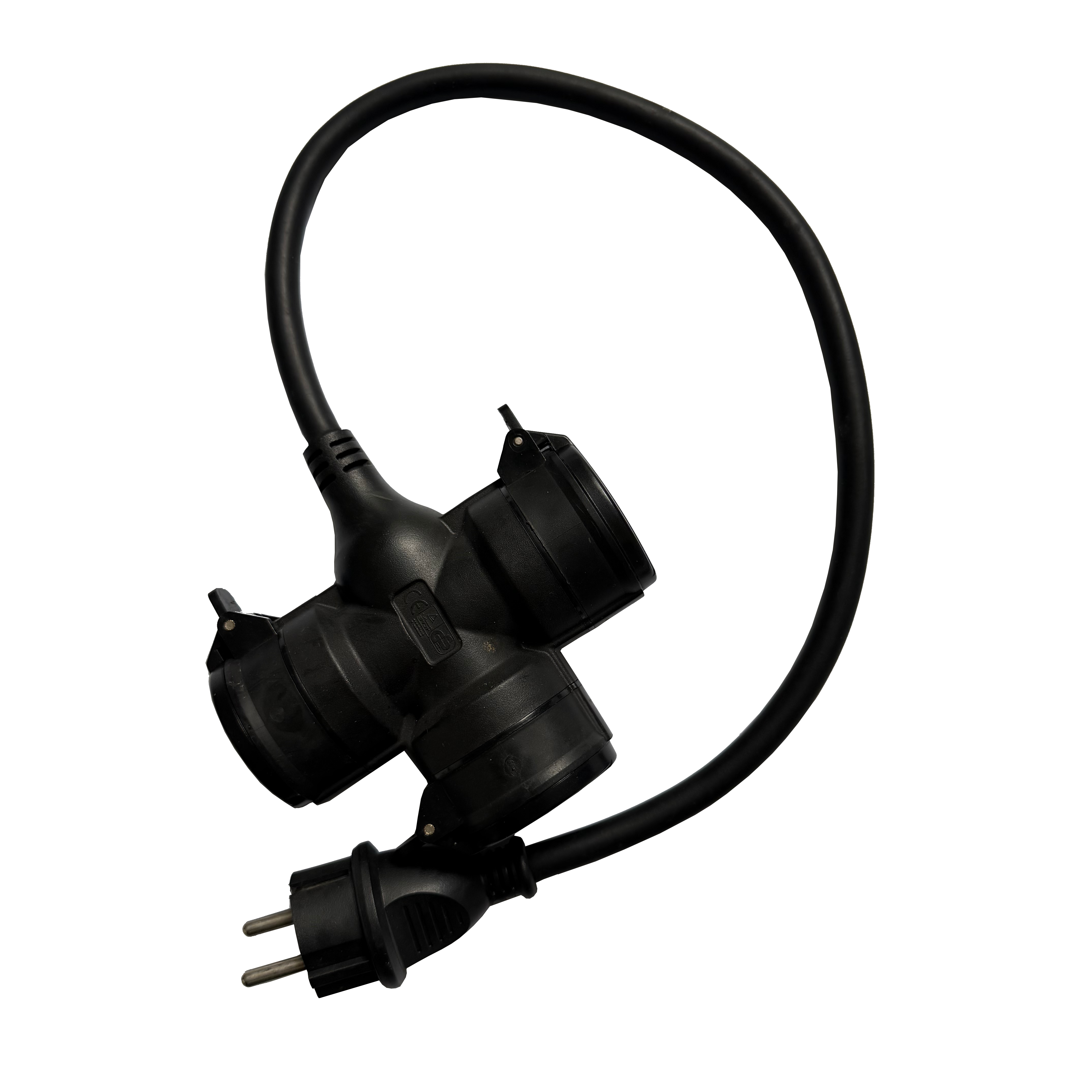
Работни станции за дистанционна работа — защита на рутери, лаптопи, монитори и периферни устройства
В хибридните работни среди важното оборудване като рутери, лаптопи, двойни монитори и различни периферни устройства често се съсредоточава наблизо до климатични инсталации, автоматизирани щори и други устройства, които генерират шум. Тези съседни машини произвеждат редовни, но малки електрически вълни, които могат да нарушият цялостта на данните, да попречат на Wi-Fi връзките и дори да ускорят износването на електронните вериги с течение на времето. Стандартните удължителни кабели просто не са достатъчни в този случай. Добре проектираните предпазители от вълни осигуряват защита както от смущения по електрическата мрежа, така и от електромагнитни смущения (съкратено: ЕМИ/РФИ). При търсене на такива специализирани удължителни кабели има няколко функции, които заслужава да се обърне внимание...
- Многостепенни защитни вериги с включени MOV и термични предпазители
- Щепсели с прав ъгъл за интегриране в ограничено работно пространство на бюрото
- LED индикатори за състоянието, потвърждаващи активна и функционална защита
Поставяйте ги зад бюра, за да централизирате връзките, да намалите заплитането на кабелите и да осигурите последователна защита за инструменти, критични за продуктивността.
Често задавани въпроси
Какви са причините за волтажни вълни?
Волтажните вълни могат да бъдат предизвикани от няколко фактора, включително гръмотевични удари, превключване на електрическата мрежа от страна на енергийните компании и включване/изключване на високомощни уреди.
Защо миниатюризираната електроника е по-уязвима към вълни?
Миниатюризираната електроника често има по-ниски толерантности към напрежение и липсва вродена устойчивост към вълни, което я прави по-уязвима към повреди дори от незначителни напрежения с кратък импулсен характер.
На какво трябва да обърнат внимание потребителите при избор на удължителен контакт със защита от вълни?
Потребителите трябва да търсят удължителни контакти с защита от вълни с висока енергийна стойност (в джаули), сертификация UL 1449 и функции като MOV, термични предпазители и ниско напрежение на ограничаване.
Какво предимство предлагат устройствата за защита от пренапрежения за домашните развлекателни системи?
Устройствата за защита от пренапрежения предпазват чувствителните компоненти в телевизорите, звуковите панели и игровите конзоли от вълни на напрежение, като по този начин гарантират, че тези устройства ще продължат да функционират коректно и ще бъдат защитени от електрически повреди.
Съдържание
- Растящият риск: Как пренапреженията заплашват съвременните чувствителни устройства
- Удължителни контакти срещу удължителни контакти с защита от вълни на пренапрежение: ключови функционални различия
- Какво определя надежден удължителен контакт с защита срещу вълни?
- Интелигентно разполагане: Избор на удължителни контакти с защита от пренапрежения за приложения с висок риск
-
Често задавани въпроси
- Какви са причините за волтажни вълни?
- Защо миниатюризираната електроника е по-уязвима към вълни?
- На какво трябва да обърнат внимание потребителите при избор на удължителен контакт със защита от вълни?
- Какво предимство предлагат устройствата за защита от пренапрежения за домашните развлекателни системи?