
 EN
EN



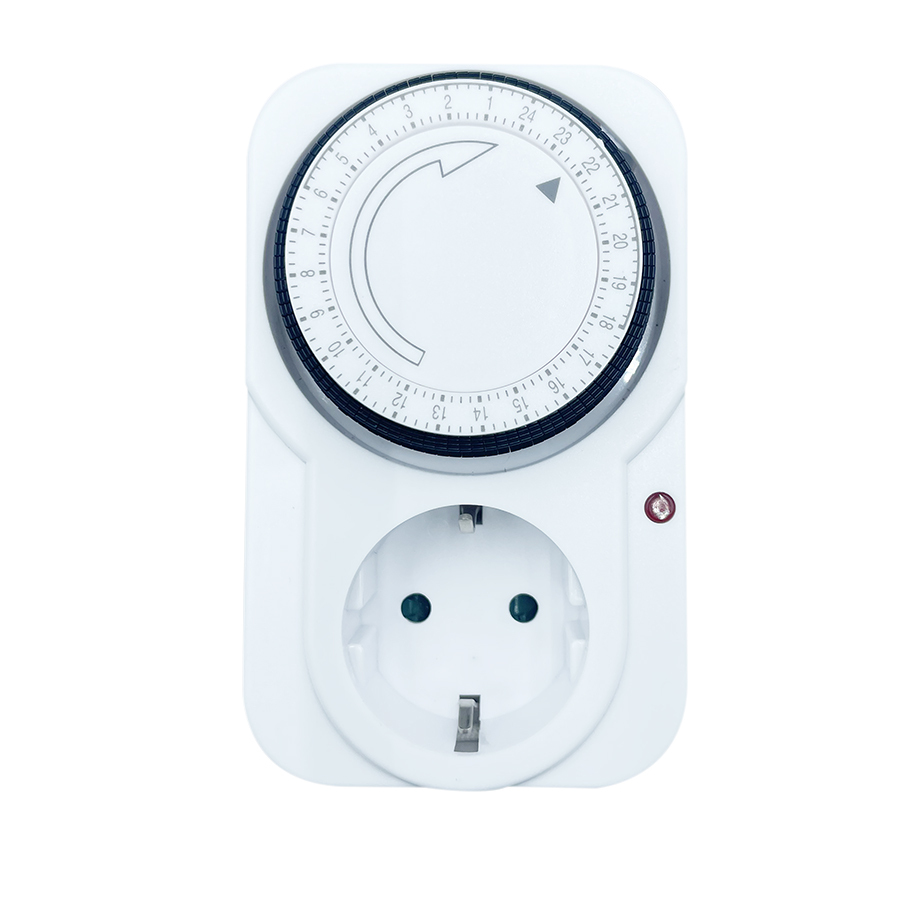
المعلمات الكهربائية الأساسية التي تُحدِّد تصنيفات القدرة الكهربائية للمقابس والمقابس الصناعية
الجهد والتيار والتردد: كيف تتفاعل هذه العوامل معًا لتحديد تسليم الطاقة بشكل آمن
يعتمد التشغيل الآمن لأي تجميع لمقبس وقابض صناعي على ثلاثة عوامل مترابطة: الجهد الكهربائي، والتيار الكهربائي، والتردد. ويُحدِّد الجهد متطلبات العزل لمنع الانهيار العازل؛ بينما يُحدِّد التيار حجم الموصل ومساحة سطح التلامس المطلوبة للحد من التسخين الناتج عن المقاومة؛ أما التردد فيؤثر على ظاهرة «التأثير السطحي» (Skin Effect) والممانعة التحريضية — وكلاهما يؤثران في المقاومة الفعالة وانخفاض الجهد تحت الحمل. فعلى سبيل المثال، يزوِّد قابض ثلاثي الطور بتيار 32 أَمبير وجهد 400 فولت ما يقارب 22 كيلوفولت أمبير من القدرة الظاهرية عند معامل قدرة مقداره ١. وإن تجاوز هذه القيم — حتى لو كان ذلك لفترة وجيزة — يؤدي إلى ارتفاع مفرط في درجة الحرارة، وتآكل نقاط التلامس، ومخاطر انفجار القوس الكهربائي. وتحدد الشركات المصنِّعة هذه التصنيفات استنادًا إلى اختبارات قياسية تأخذ في الاعتبار درجة حرارة البيئة المحيطة، ودورة التشغيل، ونوع الغلاف الواقي. ولذلك يجب أن تتطابق عملية الاختيار بدقة مع جميع العوامل الثلاثة (الجهد، والتيار، والتردد) وفقًا لمصدر التغذية والحمل — وليس فقط القدرة الاسمية — لأن أي عدم تطابق في أحد هذه العوامل قد يُضعف سلامة النظام بأكمله.
لماذا يهم اختيار التردد ٥٠ هرتز مقابل ٦٠ هرتز في تحديد المقابس والمقابس الصناعية وتخفيض التصنيفات؟
وبينما يُصنَّف العديد من الموصلات الصناعية للعمل عند ترددين ٥٠ هرتز و٦٠ هرتز معًا، فإن اختلاف التردد يؤثر على الأداء الحراري واحتياجات تخفيض التحميل. فعند تردد ٦٠ هرتز، يؤدي ازدياد تأثير الجلد إلى رفع مقاومة الموصل الفعالة قليلًا، ما يرفع خسائر التيار المربّع في التوصيلات والكابلات (I²R). كما تتزايد الخسائر الأساسية في المحولات المدمجة أو المكونات الحثية تناسبيًّا مع التردد. وقد يتعرّض المعدات المصمَّمة للعمل عند تردد ٥٠ هرتز إلى ارتفاع أكبر في التسخين الناتج عن التيارات الدوامية عند تردد ٦٠ هرتز، في حين قد تشهد الوحدات المصمَّمة لتردّد ٦٠ هرتز والتي تعمل عند تردد ٥٠ هرتز ارتفاعًا في التيارات الابتدائية (inrush currents) رغم انخفاض درجات الحرارة في الحالة المستقرة. وعادةً ما تحدد معايير الآيزو (IEC) والآول (UL) تصنيفًا واحدًا أقصى للتيار المستمر المسموح به للتشغيل عند ترددي ٥٠/٦٠ هرتز، مع أخذ هذه التأثيرات بالاعتبار مسبقًا. ومع ذلك، في التطبيقات عالية التيار والتشغيل المستمر—مثل التغذية الدائمة لمصانع الإنتاج—يبقى استشارة المنحنيات المنشورة من قِبل الشركة المصنِّعة الخاصة بخفض التحميل (derating curves) للنموذج المحدَّد من المقابس والمقابس الصناعية أمرًا جوهريًّا لضمان السلامة والموثوقية على المدى الطويل.
مواصفات قابض ومقابس الصناعية حسب معيار IEC 60309: من 16 ألمبير إلى 200 ألمبير
فئات التيار بالألمبير والحدود القصوى للجهد المرتبطة بها (مثل: 16 ألمبير عند 250 فولت، و63 ألمبير عند 690 فولت)
يُعرِّف المعيار IEC 60309 فئات تيار قياسية لقابض ومقابس الصناعية — تتراوح من 16 ألمبير إلى 200 ألمبير — حيث يقترن كل تيار بحدٍّ أقصى للجهد لضمان تنسيق عازل آمن وأداء حراري ملائم. ويُصنَّف القابض أو المقابس ذات التيار 16 ألمبير للاستخدام حتى جهد 250 فولت، في حين تدعم الوحدة ذات التيار 63 ألمبير جهداً يصل إلى 690 فولت. وتعكس هذه الأزواج متطلبات الاستخدام الفعلي وبروتوكولات الاختبار، وليس زيادات اعتيادية. ويوجز الجدول أدناه التكوينات الشائعة والاستخدامات النموذجية لها:
| التيار الكهربائي | الحد الأقصى للجهد | التطبيق النموذجي |
|---|---|---|
| 16 أ | 250 فولت | الماكينات الصغيرة، ومعدات المكاتب |
| 32 A | 480 فولت | أدوات الطاقة الأكبر حجماً، ووحدات التكييف والتبريد (HVAC) |
| 63 A | 690 فولت | المحركات الصناعية الثقيلة، ولوازم اللحام |
| 125 أ | 690 فولت | محطات التحويل، والمولدات الكبيرة |
| 200 A | 690 فولت | لوحات التوزيع الرئيسية، والمصانع الثقيلة |
إن اختيار فئة التيار المناسبة يمنع ارتفاع درجة الحرارة، وفشل التوصيلات، وانهيار العزل — وهي إجراءات وقائية بالغة الأهمية في البيئات الصناعية.
تكوين الأقطاب (2P+E، 3P+E، 3P+N+E) وتأثيره على سعة الطاقة لمقابس ومآخذ الصناعية
يُحدِّد تكوين الأقطاب بشكل مباشر كيفية توزيع الطاقة وما الأحمال التي يمكن أن تخدمها مقابس ومآخذ صناعية بأمان. وتشمل الأنواع الشائعة: 2P+E (أحادية الطور)، و3P+E (ثلاثية الطور بدون عودة)، و3P+N+E (ثلاثية الطور مع عودة). ويوفِّر تكوين 3P+E بتيار 32 أَمبير وفولتية 400 فولت طاقة ثلاثية الطور متوازنة تبلغ حوالي 22 كيلوواط، بينما يسمح التكوين نفسه بتيار 32 أَمبير في نظام 3P+N+E بتغذية أحمال غير متوازنة والتيار العائد — ما يتيح التوافق مع مزيج من الإضاءة ودوائر التحكم والمعدات الإلكترونية. ويوفر مطابقة عدد الأقطاب لنظام التغذية التوافق الكهربائي، ويحسِّن استغلال الموصلات، ويمنع الحمل الزائد غير المقصود على الموصل العائد أو عدم التوازن بين الأطوار.
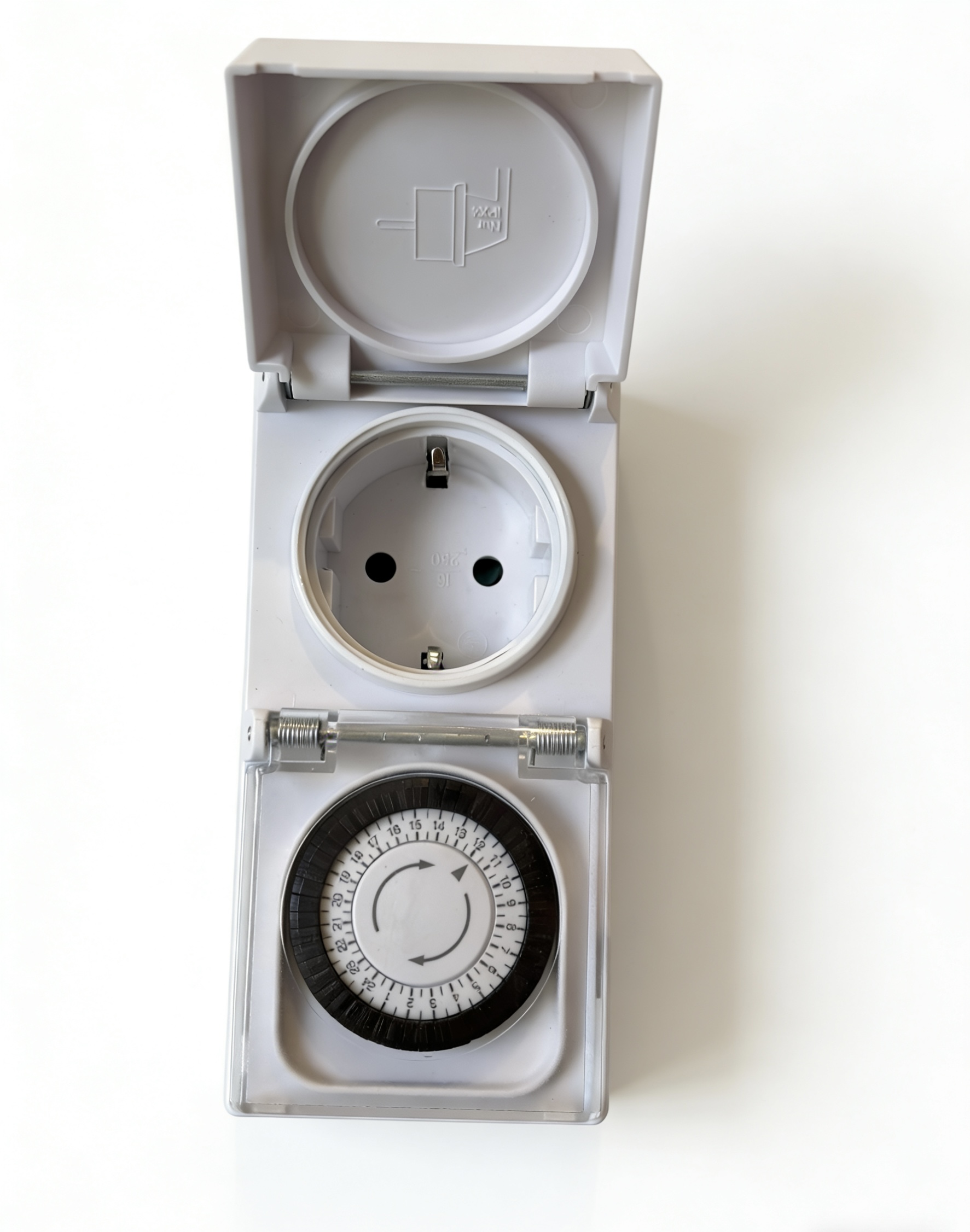
المقابس والمآخذ الصناعية أحادية الطور مقابل ثلاثية الطور: إنتاج الطاقة
مقارنة القدرة الفعلية: 32 أَمبير / 230 فولت (أحادية الطور) مقابل 32 أَمبير / 400 فولت (ثلاثية الطور)
عند تطابق التصنيفات الحالية، فإن أنظمة التيار الثلاثي الطور توفر طاقةً قابلةً للاستخدامٍ أكبرَ بكثيرٍ مقارنةً بأنظمة التيار أحادي الطور. فمثلاً، يوفّر مقبس وقابض صناعي أحادي الطور بتصنيف 32 أمبير و230 فولت ما يقارب 7.4 كيلوواط، في حين يوفّر مقبس وقابض صناعي ثلاثي الأطوار بتصنيف 32 أمبير و400 فولت ما يقارب 22.2 كيلوواط — أي ما يعادل نحو ثلاثة أضعاف القدرة الناتجة. وتنبع هذه الكفاءة من تحسُّن نقل الطاقة لكل أمبير، وتقليل حجم الموصلات المطلوبة، وانخفاض الفقد في خطوط التغذية. ولتطبيقات القدرة العالية المستمرة — مثل آلات التحكم العددي بالحاسوب (CNC)، أو الضواغط، أو المضخات الكبيرة — لا يُعد المقبس والقابض الصناعي ثلاثي الأطوار خياراً مفضلاً فحسب، بل هو ضرورة تشغيلية لتفادي زيادة الحمل على الدائرة، وانخفاض الجهد، وفشل المكونات قبل أوانها.
السلامة والموثوقية: عواقب عدم تطابق تصنيفات القدرة للمقابس والمقابض الصناعية
يُشكِّل عدم تطابق تصنيفات الجهد والتيار والتردد في وصلات المقابس والمقابس الصناعية مخاطر جسيمة على السلامة والتشغيل. فالمقبس rated بـ 16 أمبير عند تحميله بتيار 32 أمبير سيزداد ارتفاع حرارته بسرعة، ما يؤدي إلى تدهور العزل وزيادة خطر نشوب حريق. كما أن تطبيق جهد يتجاوز التصنيف العازلي للمقبس قد يتسبب في فشل كارثي للعزل، مما يؤدي إلى حدوث دوائر قصيرة أو مخاطر صعق كهربائي. بل إن أصغر حالات عدم التطابق تُسرِّع من أكسدة نقاط التلامس، وتزيد من مقاومة الانتقال، وتشجِّع على حدوث القوس الكهربائي — لا سيما أثناء عمليات الإدخال والإخراج المتكررة. وفي البيئات الصناعية الحرجة التي تتطلب أداءً مستمرًا، يمكن أن تؤدي مثل هذه الأخطاء إلى توقف غير مخطط عنه في التشغيل، وتدمير المعدات الحساسة، وتعريض سلامة العاملين للخطر. ولتفادي هذه النتائج، يجب دائمًا التحقق من توافق جميع المعايير — الجهد والتيار والتردد وعدد الأقطاب وتكوين التأريض — مع نظام الترميز اللوني المعياري IEC 60309 ونظام المفتاح الميكانيكي قبل إجراء أي وصل.
الأسئلة الشائعة
ما العوامل الرئيسية التي تحدد تصنيفات المقابس والمقابس الصناعية؟
تعتمد تصنيفات المقابس والمقابس الصناعية على ثلاثة عوامل رئيسية: الجهد، والتيار، والتردد. وتضمن هذه المعايير التشغيل الآمن من خلال منع ارتفاع درجة الحرارة، وانهيار العزل الكهربائي، وغير ذلك من المخاطر المرتبطة بالتصنيفات غير المتوافقة.
لماذا يُعد التردد مهمًّا في أداء المقابس والمقابس الصناعية؟
يؤثر التردد على الأداء الحراري ومقاومة الموصلات بسبب ظواهر مثل تأثير الجلد (Skin Effect) وتسخين التيارات الدوامية (Eddy-current Heating). فعلى سبيل المثال، قد يؤدي نظام يعمل بتردد ٦٠ هرتز إلى رفع مقاومة الموصل مقارنةً بنظام يعمل بتردد ٥٠ هرتز، مما يؤثر على الاستقرار الحراري ومتطلبات تخفيض التصنيف (Derating).
ما الفرق بين المقابس أحادية الطور والمقابس ثلاثية الأطوار من حيث القدرة الخارجة؟
توفر المقابس ثلاثية الأطوار قدرةً كهربائيةً أكبر بكثيرٍ من المقابس أحادية الطور عند نفس تصنيف التيار. فعلى سبيل المثال، يُخرج مقبس ثلاثي الأطوار بتصنيف ٣٢ أمبير و٤٠٠ فولت ما يقارب ٢٢,٢ كيلوواط، بينما يُخرج مقبس أحادي الطور بتصنيف ٣٢ أمبير و٢٣٠ فولت فقط ما يقارب ٧,٤ كيلوواط.
ماذا يحدث إذا استخدمت مقبسًا صناعيًّا بتصنيفات غير متوافقة؟
استخدام قابض كهربائي بمواصفات جهد أو تيار أو تردد غير متوافقة قد يؤدي إلى ارتفاع درجة الحرارة، وفشل العزل الكهربائي، وزيادة خطر نشوب الحرائق، وتلف المعدات. ومن الضروري جدًّا أن تتطابق جميع المواصفات مع متطلبات النظام لضمان السلامة والموثوقية.
ماذا تعني التكوينات المختلفة للأقطاب؟
تحدد تكوينات الأقطاب (مثل: قطبان + أرضي، وثلاثة أقطاب + أرضي، وثلاثة أقطاب + عادي + أرضي) كيفية توزيع الطاقة الكهربائية، وكذلك الأنظمة التي يمكن أن تخدمها القوابض والمقابس. فعلى سبيل المثال، تُستخدم التكوينات ذات الثلاثة أقطاب + العادي + الأرضي في الأحمال غير المتوازنة التي تتطلب وجود موصل عادي.
جدول المحتويات
- المعلمات الكهربائية الأساسية التي تُحدِّد تصنيفات القدرة الكهربائية للمقابس والمقابس الصناعية
- مواصفات قابض ومقابس الصناعية حسب معيار IEC 60309: من 16 ألمبير إلى 200 ألمبير
- المقابس والمآخذ الصناعية أحادية الطور مقابل ثلاثية الطور: إنتاج الطاقة
- السلامة والموثوقية: عواقب عدم تطابق تصنيفات القدرة للمقابس والمقابض الصناعية
-
الأسئلة الشائعة
- ما العوامل الرئيسية التي تحدد تصنيفات المقابس والمقابس الصناعية؟
- لماذا يُعد التردد مهمًّا في أداء المقابس والمقابس الصناعية؟
- ما الفرق بين المقابس أحادية الطور والمقابس ثلاثية الأطوار من حيث القدرة الخارجة؟
- ماذا يحدث إذا استخدمت مقبسًا صناعيًّا بتصنيفات غير متوافقة؟
- ماذا تعني التكوينات المختلفة للأقطاب؟