
 EN
EN



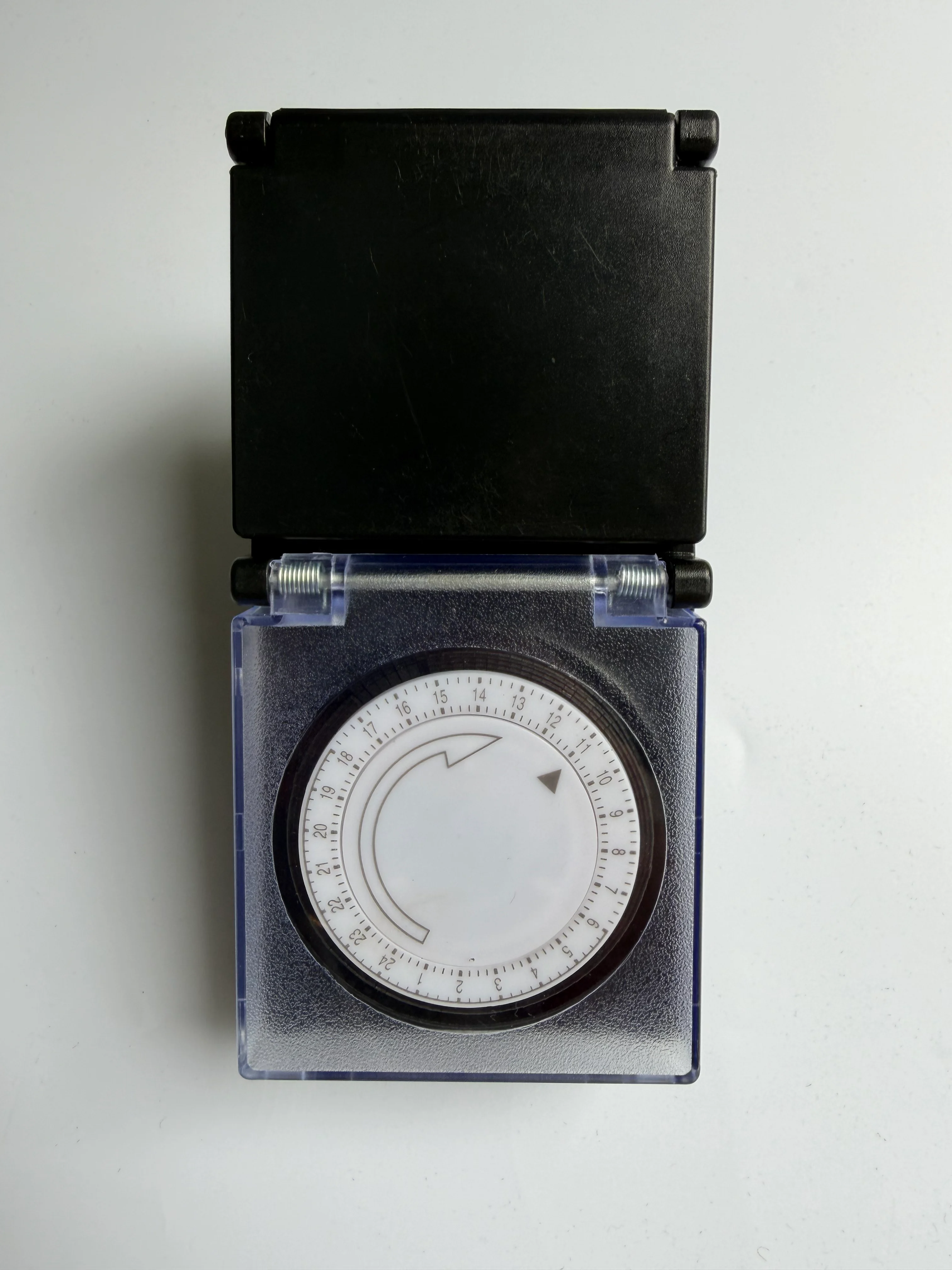
Demystifying Power Ratings in Modern 24 Hours Timers
When dealing with home automation, energy efficiency, and everyday electrical setups, picking up a standard 24 hours timer feels like a straightforward step. People use these scheduling switches for all sorts of things, ranging from turning on living room lamps and setting up fish tank lights to managing seasonal holiday displays and controlling small circulating appliances. These gadgets provide undeniable convenience and help trim down electricity bills. However, a widespread misconception among casual shoppers and facility handlers is that any plug-in timer can seamlessly handle whatever appliance gets plugged into it. In professional electrical and manufacturing circles, grasping the actual power limitations—specifically regarding maximum voltage limits, continuous current flow, and peak wattage caps—is crucial for avoiding thermal overloads, unexpected breakdowns, and premature equipment wear. Looking beyond basic marketing highlights to evaluate core electrical tolerances is essential for keeping setups safe and reliable.
Decoding Resistive Versus Inductive Load Capacities
A major technical detail when handling any 24 hours timer is understanding the fundamental difference between resistive loads and inductive loads. Through extensive testing inside certified R&D facilities, electrical engineers regularly find that pure resistive loads, such as standard incandescent bulbs or portable resistance space heaters, draw a steady and predictable stream of electricity. This stability allows timing switches to operate comfortably near their upper amperage boundaries, often around sixteen amperes under standard household voltages. On the flip side, inductive loads like refrigerator compressors, water pumps, HVAC fan motors, and fluorescent lighting ballasts behave entirely differently. These units experience a massive initial surge of electricity the exact second they turn on, jumping way higher than their normal running current. Ignoring this sharp startup spike often causes severe electrical arcing across the internal relay contacts, pitting the metal, ruining conductivity, and drastically cutting down the service life of the timer.
Common Pitfalls: What Happens When Limits Are Exceeded?
Pushing a timing device past its specified power limits triggers a destructive chain reaction of physical, thermal, and electrical failures inside the housing. When a connected household or workshop appliance continuously pulls more juice than the internal micro-switches or spring-loaded relays are built to handle, intense Joule heating builds up rapidly. This extreme thermal overload can easily warp precision metal contacts, melt internal plastic components, or cause contact welding, which is a dangerous scenario where the internal metal pieces fuse together. When that happens, the circuit stays permanently closed and energized regardless of what the mechanical dial or digital program dictates. Safety standards emphasize that ignoring these safety margins creates serious property risks. Real-world field investigations frequently demonstrate that overloaded circuits do not just ruin the timer switch itself; they also send harmful voltage fluctuations down the line that wreck the connected electronics.
Best Practices for Safe and Efficient Timer Deployment
Maximizing the safety, performance, and longevity of electrical automation gear requires careful load calculation before installation takes place. Installers and homeowners should always double-check that the total continuous wattage of the connected appliance stays well below the timer's maximum capacity, ideally keeping a healthy buffer to absorb unexpected line fluctuations. For heavy-duty industrial machinery, workshop tools, or heavy heating units that easily surpass regular plug-in timer limits, pairing the 24 hours timer with an external industrial magnetic contactor or heavy-duty relay is standard industry practice. This setup completely isolates the delicate internal switching mechanism of the timer from high-current operational surges, guaranteeing stable, reliable, and hazard-free automated control across demanding environments.
Engineering Reliability and Manufacturing Excellence
Navigating complex electrical thresholds and strict global safety requirements demands robust hardware backed by decades of proven manufacturing expertise. Established back in 1986, Shuangyang has grown into a premier global creator of advanced electrical accessories, ranging from high-performance daily timers and heavy-duty cable reels to flexible power cords and specialized industrial socket systems. Operating from expansive, state-of-the-art facilities equipped with strict in-house testing laboratories and comprehensive quality management systems, the company consistently delivers precision-engineered products that comply with major international safety standards. By blending integrated supply chain control, dedicated research and development, and flexible manufacturing capabilities, Shuangyang remains a trusted global partner for clients seeking uncompromising quality, strong safety compliance, and reliable power control solutions.