
 EN



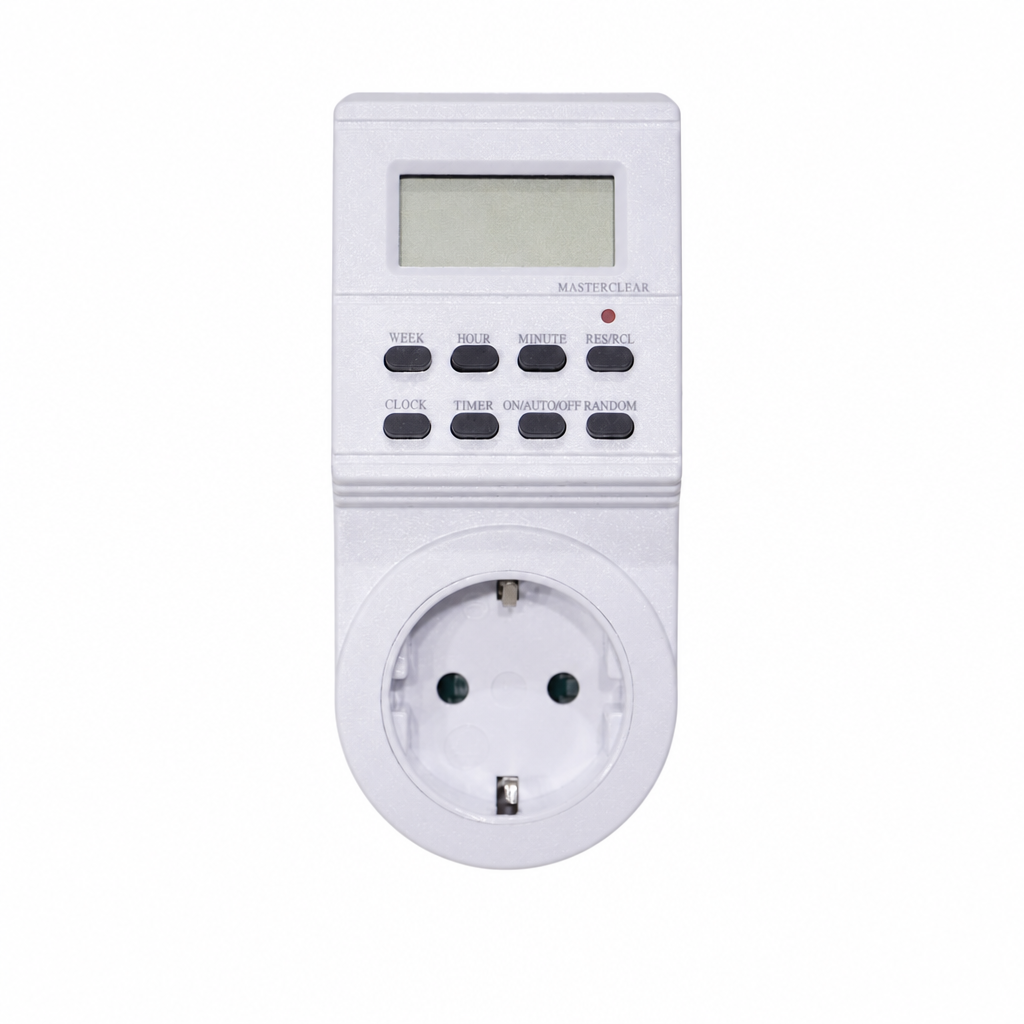
Modern factory floors operate under relentless pressure to maximize production output while driving down operational overhead. When plant managers map out efficiency initiatives, discussions usually gravitate toward heavy-duty investments like variable frequency drives, high-efficiency motor overhauls, or comprehensive LED retrofits. Yet, one of the most cost-effective and immediate power-saving upgrades is frequently overlooked: the industrial timer. Far from being simple mechanical dials or residential clocks, today's advanced timing devices function as critical automation nodes that eliminate idle power consumption, smooth out operational workflows, and deliver a remarkably rapid return on investment across complex manufacturing ecosystems.
The Technical Anatomy of Industrial Timers
At first glance, a timing unit looks like a modest accessory, but within a demanding industrial environment, it acts as a precise control mechanism. Modern industrial timers range from heavy-duty digital programmable units to multi-function cyclic, interval, and delay configurations designed to withstand severe inductive loads and harsh shop-floor conditions. In large-scale manufacturing facilities, heavy machinery, auxiliary cooling pumps, localized ventilation fans, and assembly line sub-components often draw standby power or run pointlessly during shift changes, lunch breaks, maintenance windows, and weekends. By integrating robust, programmable timers straight into machinery control circuits, engineers can establish automated shut-off parameters that completely eradicate phantom loads. This precise control ensures that electrical energy is only drawn when active production genuinely demands it, optimizing the facility's overall load factor without adding friction to daily workflows.
Real-World Plant Operations and Engineering Perspectives
Looking closely at practical plant floor routines, one of the most glaring and entirely preventable sources of energy waste is the continuous, unmonitored operation of peripheral support equipment. In busy component manufacturing plants, auxiliary exhaust blowers and conveyor cooling motors are frequently left running around the clock simply because manual shutdown routines slip the minds of rotating shift supervisors. Implementing programmable seven-day digital timers on these peripheral systems cuts daily runtime dramatically without impacting overall production output in the slightest. Furthermore, strategic time-of-use scheduling prevents heavy auxiliary gear from cycling during peak utility rate hours, helping facility managers sidestep severe peak-load demand charges levied by regional power grids.
Quantifying Financial and Environmental Value
The financial impact of deploying industrial-grade timers extends far beyond immediate, short-term kilowatt-hour reductions on monthly utility bills. When industrial machinery is strictly restricted to its necessary operating hours, mechanical wear and tear on moving parts decreases noticeably. Reduced thermal stress on motor windings, contactors, and heating elements translates directly into extended equipment lifespans and lower maintenance frequencies. From an environmental and compliance standpoint, every kilowatt-hour saved directly reduces carbon emissions, aligning industrial manufacturing operations with corporate sustainability targets and increasingly stringent global environmental regulations. The initial capital expenditure for industrial timing hardware is typically recovered within a matter of weeks, making it one of the highest-yield efficiency upgrades available to modern plant operators.
Industry Benchmarks and Expert Endorsements
Energy management experts and international efficiency frameworks consistently emphasize automated energy control as a foundational pillar of facility optimization. According to prominent industrial engineering authorities, automated switching and scheduling eliminate human error—statistically cited as the single greatest variable and vulnerability in facility energy management. Certified energy auditors note that industrial facilities failing to implement basic automated timing controls on auxiliary systems routinely waste a significant percentage of their total auxiliary power budget. Utilizing engineered timing solutions effectively bridges the gap between human oversight and automated perfection, establishing a transparent, verifiable audit trail for corporate sustainability reporting.
Empowering Sustainable Manufacturing with ShuangYang
Achieving long-term, reliable energy efficiency requires robust hardware built to withstand rigorous industrial environments. For over two decades, ShuangYang has established itself as a trusted global leader in electrical manufacturing, specializing in heavy-duty industrial timers, advanced power distribution units, and comprehensive extension systems. Leveraging state-of-the-art production facilities, strict international quality certifications, and a robust global supply chain, ShuangYang delivers industrial-grade timing solutions engineered for maximum durability, precision, and operational safety. Whether upgrading a single assembly line or overhauling facility-wide energy management infrastructure, partnering with ShuangYang ensures dependable performance that protects profit margins and advances long-term sustainability goals.