
 EN
EN



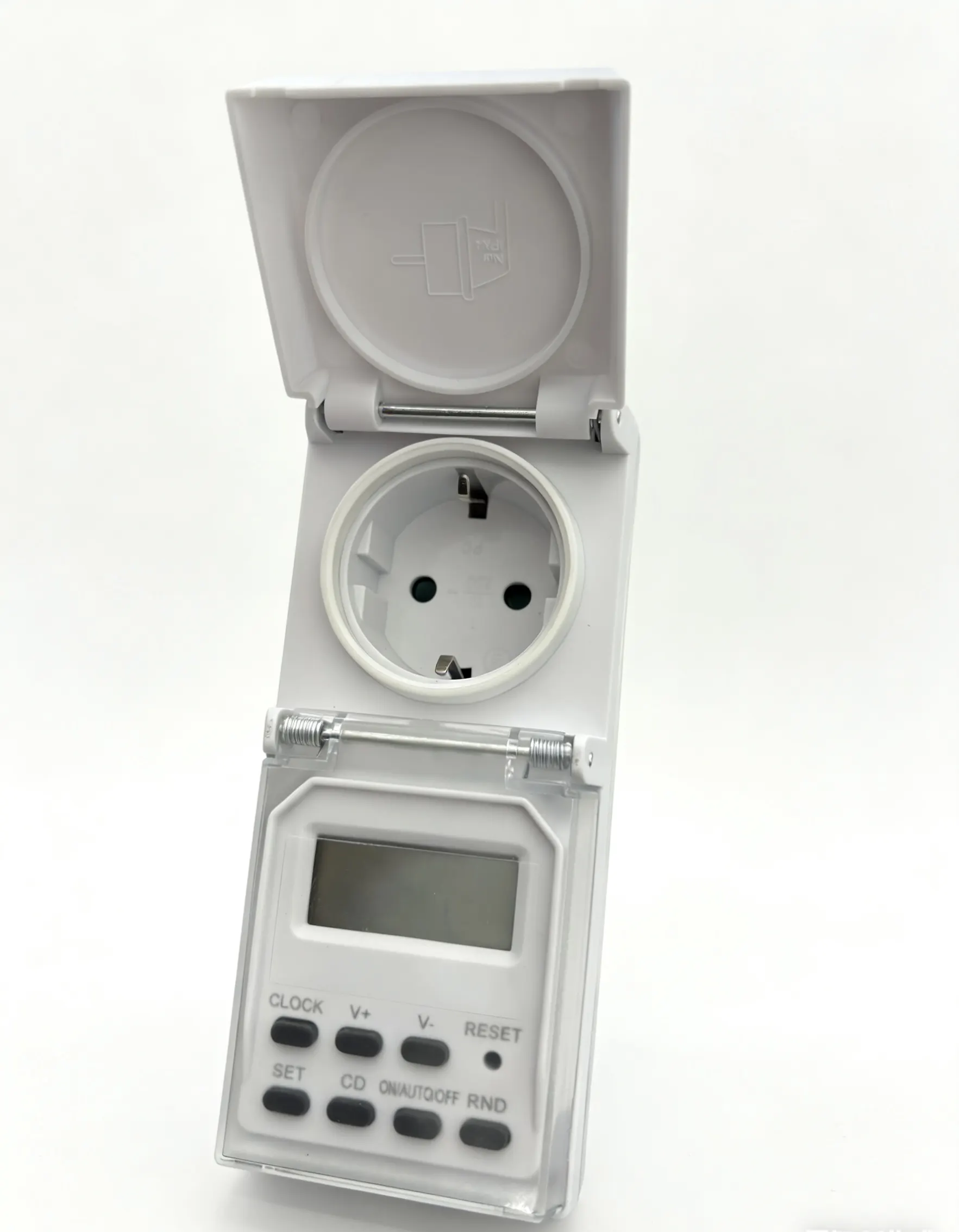
التصميم المدمج والتكامل الجاهز للتشغيل يجعل عدادات التوقيت الصغيرة مثالية للأجهزة الكهربائية الصغيرة
مساحة استخدام ضئيلة وتوافق سلس مع منافذ التيار الكهربائي القياسية البالغة ١٢٠ فولت
تحل هذه المؤقتات الصغيرة جدًّا مشكلات التركيب بفضل تصميمها الفائق الانضغاط الذي يلتصق بالمنافذ الكهربائية ويستوعب مساحة لا تتجاوز ١٫٥ بوصة مكعبة، مع استمرار عملها مع فولتية المنازل القياسية في أمريكا الشمالية. ولا يتطلَّب تركيبها أي مهارات كهربائية على الإطلاق؛ بل يكفي فقط إدخال أحدها في منفذ حائطي قياسي بجهد ١٢٠ فولت، ثم توصيل أي جهاز كهربائي يحتاج إلى التوقيت. وبذلك يبقى سطح المنضدة نظيفًا ومُرتَّبًا بدلًا من أن يبدو فوضويًّا بسبب أجهزة مثل المرطِّبات أو مصابيح المكتب المزعجة التي لا تنطفئ أبدًا. وبما أن هذه الأجهزة الصغيرة تتناسب تمامًا مع تركيبات المنافذ الحالية، فلا حاجة إلى محولات إضافية، ويمكن للمستخدمين الاستمرار في استخدام المنافذ الأخرى المجاورة دون عوائق. وأظهر الاختبار أن هذه المؤقتات تعمل مع نحو ٩٨ جهازًا كهربائيًّا صغيرًا من أصل ١٠٠ جهاز اختبرناها، بدءًا من ماكينات الإسبريسو الفاخرة وانتهاءً بشواحن الهواتف الأساسية. وهذا يجعلها مثالية للمساحات الضيِّقة التي تُحسب فيها كل بوصة، مثل غرف النوم الجامعية أو مطابخ الشقق المكتظَّة حيث تُعد المساحة المتاحة على الحائط عقارًا ثمينًا.
العدادات الزمنية الصغيرة الميكانيكية مقابل الرقمية: الموازنة بين المتانة والدقة والتكلفة الأولية للأجهزة منخفضة القدرة
عند اختيار العدادات الزمنية الصغيرة للأجهزة التي تقل قدرتها عن ٥٠٠ واط، فكر في ثلاثة مفاضلات رئيسية:
| نوع | الدقة | المتانة | نطاق التكلفة |
|---|---|---|---|
| ميكانيكي | ±15 دقيقة | عمر افتراضي يزيد عن ١٠٠ ألف دورة | $4–$8 |
| رقمي | ± دقيقة واحدة | من ٥٠ ألف إلى ٨٠ ألف دورة | $9–$15 |
لا يزال معظم الناس يعتمدون على المؤقّتات الميكانيكية عند الحاجة إلى تشغيل موثوق يوميًّا لأجهزة مثل مضخة أحواض الأسماك أو التأكُّد من إضاءة أضواء العطلات ليلاً. وتعمل هذه النماذج التقليدية بشكل أفضل لأنها تحتوي على تلامسات معدنية يمكنها تحمل قفزات الجهد المفاجئة دون أن تفشل. ومن ناحية أخرى، فإن المؤقّتات الرقمية أكثر منطقية في المهام التي تتطلب دقة زمنية عالية، كضبط آلة صنع القهوة لبدء التحضير في أوقات محددة طوال الأسبوع. ووفقاً لاختبارات برنامج «إينرجي ستار» (Energy Star)، فإن النسخ الميكانيكية تميل إلى أن تكون أطول عمراً بنسبة تصل إلى ١٧٪ عند استخدامها مع أجهزة مثل وسادات التدفئة واللمبات التقليدية. وفي المقابل، توفر المؤقّتات الرقمية الطاقة عبر خفض استهلاك الكهرباء المهدرة بنسبة تقارب ٢٢٪ للأجهزة التي تحتاج إلى أوقات بدء وإيقاف دقيقة. وعند النظر إلى الخيارات الاقتصادية التي لا تتجاوز تكلفتها عشرة دولارات أمريكيّة، فإن المؤقّتات الميكانيكية عادةً ما توفّر قيمة أفضل مقابل المال. فهي تسترد تكلفتها عادةً خلال خمسة أشهر، مقارنةً بثمانية أشهر للمؤقّتات الرقمية، ما يجعلها جذّابةً للغاية للأشخاص الذين يراقبون مصروفاتهم.
العدادات الصغيرة توفر وفورات قابلة للقياس في الطاقة والتكاليف
تخفيض الحمل الكهربائي الخفي: كيف تقلل إيقاف التشغيل المؤقت من استهلاك الطاقة في وضع الاستعداد للمصابيح وآلات صنع القهوة ووحدات الشحن
تساعد المؤقتات الصغيرة في مكافحة ما يُعرف بـ«الحمل الوهمي»، أي الطريقة الخفية التي تستهلك بها الأجهزة الكهربائية الطاقة حتى عندما لا تُستخدم فعليًّا. فكِّر في تلك الأجهزة الصغيرة التي نتركها متصلة بالتيار طوال اليوم: مثل المصابيح، وآلات تحضير القهوة، وشواحن الهواتف. فقد تستهلك كلٌّ منها ما بين ١ إلى ٥ واط في الساعة، لكن هذه الكميات الصغيرة تتراكم مع مرور الوقت لتصل إلى نحو ٥–١٠٪ من إجمالي فاتورة الكهرباء المنزلية سنويًّا. والميزة الرائعة في المؤقتات الصغيرة هي قدرتها على قطع التيار الكهربائي تلقائيًّا عند عدم الحاجة إلى الجهاز. فعلى سبيل المثال، إذا ضُبطت آلة تحضير القهوة لإيقاف التشغيل بعد ساعتين من الانتهاء من تحضير القهوة، فإنها بذلك تتفادى البقاء مشغَّلةً لساعات إضافية (نحو ١٨ ساعة يوميًّا) تستهلك خلالها طاقةً دون فائدة. وينطبق الأمر نفسه على محطات الشحن التي تُترك مشغَّلةً طوال الليل؛ إذ يؤدي إيقافها تلقائيًّا إلى توفير نحو ثماني ساعات من استهلاك الطاقة المهدرة يوميًّا. وأفضل جزء في ذلك؟ هو ألا تحتاج إلى تذكُّر سحب القابض يدويًّا — ما يجعل هذه المؤقتات مثاليةً للأجهزة التي ننسى وجودها تمامًا.
توفير سنوي في الكهرباء بقيمة ٠٫٥٠–٢٫٣٠ دولار أمريكي لكل جهاز—مُؤكَّدٌ بواسطة بيانات إدارة معلومات الطاقة الأمريكية (EIA)
تؤكد إدارة معلومات الطاقة الأمريكية (EIA) أن المؤقِّتات الصغيرة تحقِّق وفورات ملموسة. واستنادًا إلى متوسط أسعار الكهرباء السكنية ($٠٫١٥/كيلوواط·ساعة)، فإن إيقاف استهلاك الطاقة في وضع الاستعداد للأجهزة الشائعة يُولِّد ما يلي:
- المصابيح/الإضاءة الزخرفية : ٠٫٥٠–٠٫٩٠ دولار أمريكي سنويًّا
- ماكينات تحضير القهوة : ١٫٢٠–١٫٨٠ دولار أمريكي سنويًّا
- أجهزة الشحن/محولات التيار : ٠٫٦٠–١٫١٠ دولار أمريكي سنويًّا
تعكس هذه الأرقام حسابات إدارة معلومات الطاقة الأمريكية لعام ٢٠٢٣ الخاصة بالأجهزة التي تستهلك ١–٥ واط في وضع الاستعداد. وباستخدام مؤقِّتات صغيرة على خمسة أجهزة من هذا النوع في المنزل، يمكن تحقيق وفورات تصل إلى ٦–١١ دولارًا أمريكيًّا سنويًّا—وبذلك تتحقَّق العائد على الاستثمار (ROI) خلال ١٢–١٨ شهرًا لمعظم المؤقِّتات الميكانيكية.
حالات الاستخدام عالية العائد على الاستثمار (High-ROI) للمؤقِّتات الصغيرة في البيئات السكنية والمشاريع الدقيقة (Micro-Business)
تحسين الروتين اليومي: آلات صنع القهوة، وأضواء الليل، ومضخات أحواض الأسماك، وبديل للوصلات الذكية (Smart Plug)
يمكن للمؤقتات الصغيرة إيقاف تشغيل الأجهزة تلقائيًا، مثل آلات صنع القهوة وأضواء الليل، بحيث يتطابق تشغيلها مع ما يحدث في المنزل دون الحاجة إلى أن يضغط أحد على الأزرار باستمرار. أما فيما يخص مضخات أحواض الأسماك، فإن هذه الأجهزة الصغيرة تحافظ على حركة الماء بشكلٍ مناسب طوال اليوم، ثم تتوقف عن التشغيل ليلًا، مما يقلل من هدر الكهرباء. وعادةً ما يوفر المستخدمون ما بين دولار واحد وعشرين سنتًا وארבעة دولارات وستين سنتًا شهريًّا لكل مضخة، مقارنةً بتركها تعمل باستمرار دون توقف. وبالمقارنة مع تلك الوصلات الذكية المتطورة التي تتطلب اتصالاً بالإنترنت وتطبيقات الهواتف الذكية (والتي عادةً ما تتراوح أسعارها بين خمسة عشر و أربعين دولارًا أمريكيًّا)، فإن المؤقتات الصغيرة العادية تعمل فور توصيلها دون الحاجة إلى أي إعداد معقد، وتوفّر خيارات جدولة بسيطة. كما أنها أرخص بكثير، إذ تتراوح تكلفتها الأولية بين خمسة واثني عشر دولارًا أمريكيًّا وفقًا لأحدث عمليات فحص الأسعار في أسواق أتمتة المنازل. وبفضل سهولة استخدامها البالغة، فإن هذه المؤقتات مناسبة جدًّا للأجهزة المنزلية التي لا تحتاج إلى تغذية كهربائية مستمرة أصلًا.
- ماكينات تحضير القهوة القهوة جاهزة عند الاستيقاظ، وإيقاف التشغيل التلقائي بعد وجبة الإفطار
- الأضواء الليلية يُضيء الممرات فقط أثناء ساعات النوم
- مضخات أحواض الأسماك التشغيل مُزامَن مع الضوء الطبيعي، مما يقلل من نمو الطحالب
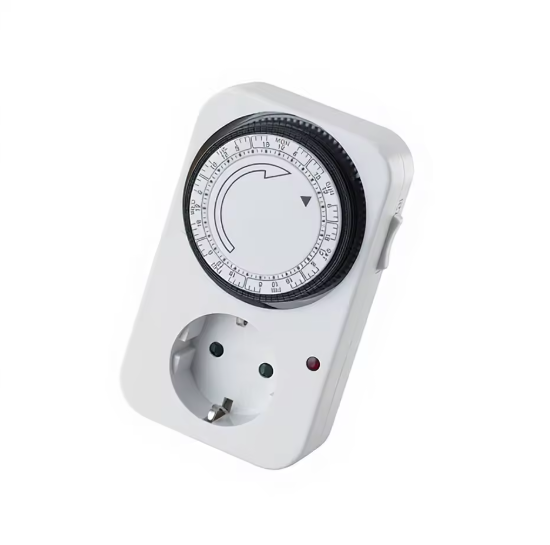
إطالة عمر الأجهزة وتقليل الصيانة من خلال التحكم في دورات التشغيل
تقييد مدة التشغيل باستخدام مؤقّتات صغيرة يُعَدُّ وسيلة فعّالة لمكافحة احتراق المحركات في الضواغط والمضخات. وتُظهر بيانات جمعية مهندسي التبريد والتكييف الأمريكية (ASHRAE) لعام ٢٠٢٣ أن الأجهزة مثل الثلاجات ومراوح أنظمة التدفئة والتهوية وتكييف الهواء التي تعمل أكثر من ١٨ ساعة يوميًّا تواجه معدلات فشل أعلى بنسبة ٤٧٪ خلال خمس سنوات. وتفرض المؤقّتات الصغيرة فترات تبريد — وهي أمرٌ بالغ الأهمية للأجهزة التي لا تحتوي على نظام إيقاف تلقائي. على سبيل المثال:
| جهاز | فائدة دورة التشغيل | تأثير العمر الافتراضي |
|---|---|---|
| مضخات أحواض الأسماك | يمنع التلف الناتج عن التشغيل الجاف | +٢٫١ سنة (في المتوسط) |
| أجهزة إزالة الرطوبة | يتجنب تجمُّد الملفات | عدد إصلاحات أقل بنسبة ٣٠٪ |
| مرواح التهوية | يقلل من تآكل المحامل | +١٥٠٠٠ ساعة تشغيل |
كما أن هذه العملية الخاضعة للرقابة تخفض تكاليف الصيانة سنويًّا بنسبة ٢٢٪ بالنسبة للمشاريع الصغيرة التي تستخدم إضاءة واجهات العرض أو أنظمة العادم.
الأسئلة الشائعة
ما الفروق بين المؤقتات الصغيرة الميكانيكية والرقمية؟
توفر المؤقتات الميكانيكية موثوقيةً مع دقة ±١٥ دقيقة، وتتميَّز عادةً بعمر افتراضي أطول يتجاوز ١٠٠٠٠٠ دورة. أما المؤقتات الرقمية فهي توفر دقةً أعلى مع دقة ±١ دقيقة، لكنها أقل متانةً حيث يتراوح عمرها الافتراضي بين ٥٠٠٠٠ و٨٠٠٠٠ دورة. كما أن المؤقتات الميكانيكية اقتصادية التكلفة، بينما قد توفر المؤقتات الرقمية وفورات أكبر في استهلاك الطاقة على المدى الطويل.
كيف تساعد المؤقتات الصغيرة في خفض فواتير الطاقة؟
تساعد المؤقتات الصغيرة في الحد من استهلاك الطاقة الكهربائية غير المرغوب فيه (أو ما يُعرف باستهلاك وضع الاستعداد) عبر قطع التيار الكهربائي تلقائيًّا عند عدم استخدام الأجهزة. ووفقًا لبيانات إدارة معلومات الطاقة الأمريكية (EIA)، يمكن أن تؤدي هذه الآلية إلى وفورات تتراوح بين ٠٫٥٠ و٢٫٣٠ دولار أمريكي لكل جهاز سنويًّا.
هل المؤقتات الصغيرة مناسبةٌ لجميع الأجهزة المنزلية الصغيرة؟
العدادات الصغيرة متوافقة مع ما يقارب ٩٨ جهازًا صغيرًا من أصل ١٠٠ جهاز، مما يجعلها مثالية لمجموعة واسعة من الأجهزة، بدءًا من آلات تحضير القهوة ووصولًا إلى شواحن الهواتف.
جدول المحتويات
- التصميم المدمج والتكامل الجاهز للتشغيل يجعل عدادات التوقيت الصغيرة مثالية للأجهزة الكهربائية الصغيرة
- العدادات الصغيرة توفر وفورات قابلة للقياس في الطاقة والتكاليف
- حالات الاستخدام عالية العائد على الاستثمار (High-ROI) للمؤقِّتات الصغيرة في البيئات السكنية والمشاريع الدقيقة (Micro-Business)
- الأسئلة الشائعة